Top 10 CTV 254 Glass Insulator Manufacturers for Buyers
Choosing a CTV 254 glass insulator supplier takes more than comparing prices. Buyers need dependable product data, clear communication, and evidence of consistent manufacturing quality. This guide introduces ten manufacturers for buyers evaluating CTV 254 glass insulators across utility, distribution, and project applications.
Details matter. A close look at material quality, dimensions, mechanical strength, and electrical performance can help buyers ask better questions. Manufacturing experience, inspection procedures, available documentation, and export support also deserve attention. Product requirements vary by project, so confirm ratings and compatibility directly with each manufacturer. A polished catalog is useful, but it is not a substitute for technical verification.
The phrase Ctv 254 Isolator En Verre may appear in searches for this product, especially in French-language contexts. It points buyers toward the same need: a glass insulator that fits specified operating conditions. This list is intended as a practical starting point, not a certification of every product or supplier. No shortlist is perfect. Availability and service can change, and a familiar name does not guarantee the right match. Compare current specifications, request relevant quality records, and clarify lead times before making a decision. These steps help turn an online search into a more informed supplier evaluation.
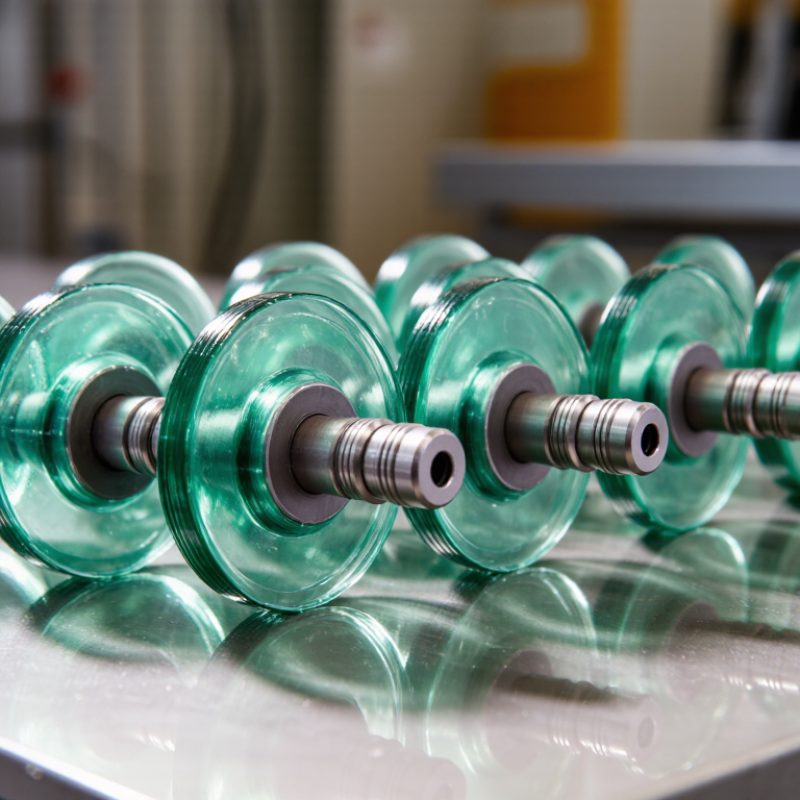
Understanding CTV 254 Glass Insulators and Their Applications
CTV 254 glass insulators are identified by a designation, but the label alone does not confirm their exact dimensions or electrical rating. Buyers should check the drawing, mounting style, creepage distance, and mechanical load before matching a unit to an installation. Details matter.
In overhead-line applications, an insulator separates an energized conductor from its supporting structure while helping withstand electrical stress and physical loading. The right configuration depends on the system voltage, conductor arrangement, and local exposure. Dust, coastal salt, rain, and repeated temperature changes can all affect service conditions. Glass makes damage easier to spot during a visual inspection, though chips or cracks still require careful assessment. It is not impact-proof.
A catalog description can sound more precise than it is. That is an easy detail to overlook. Ask for verified test data and confirm that the product’s dimensions match the existing hardware. Also consider handling and installation: a dropped unit may suffer damage that is not obvious from a distance. For replacement work, compare the actual fitting and profile rather than relying on the CTV 254 name alone. This extra checking takes time, but it can prevent a poor fit or an unsuitable choice.
Key Criteria for Evaluating CTV 254 Insulator Manufacturers
When comparing CTV 254 glass insulator manufacturers, start with the drawing, not the sales brochure.
Confirm dimensions, creepage distance, connection details, and tolerances in writing. Small differences can affect fit on existing hardware. Details matter.
Ask how each manufacturer controls glass composition, forming, annealing, and inspection. Request representative test reports, including mechanical load and electrical performance, and check that the tested model matches the product being quoted. Reports without dates or sample identification are difficult to assess. A factory visit can help, but it cannot replace clear records. I would also ask how defects are tracked and what happens when a batch fails inspection.
Review production capacity and lead times against your actual order size. A low unit price matters less if packaging allows chips or cracks during transit. Ask for protective packing details and written procedures for handling breakage. Samples can reveal finish and fit, though one sample cannot prove consistent production. That is an inconvenient limitation, and buyers should acknowledge it. Compare warranty terms, technical response times, and available product documentation before placing an order. If answers remain vague, pause and request evidence rather than relying on confident claims.
Profiles of 10 CTV 254 Glass Insulator Manufacturers
CTV 254 glass insulator manufacturers differ in scale, tooling, and quality controls. A high-volume glassworks may suit routine orders, while a smaller producer may offer more flexibility for nonstandard packaging. A tooling-focused manufacturer can adjust moulds, but buyers should confirm whether changes affect lead time. Details matter. An export-oriented supplier may provide test records and shipping documents; check that records match the exact product and production batch.
Other profiles include a regional maker with short production runs, a factory emphasizing furnace consistency, and a supplier with in-house dimensional inspection. A utility-focused producer may test mechanical and electrical performance, but ask which methods and acceptance limits it uses. One manufacturer may use recycled glass in its process; request clear material and performance information rather than assuming all batches behave alike. Another may specialize in stable dimensions, useful when crews rely on familiar fittings.
The remaining profiles are an OEM partner willing to coordinate drawings, a newer supplier still building capacity, and a large producer with broad order coverage. Compare samples, tolerances, documentation, and delivery history before deciding. A polished catalog is not proof of dependable production. This assessment is imperfect: public information rarely reveals factory-level variation, so independent inspection may still be worthwhile.
Comparing Product Quality, Certifications, and Supply Capabilities
When comparing CTV 254 glass insulator manufacturers, buyers should look beyond clear glass and a polished catalog photo. Check dimensions, surface finish, markings, and packaging against the purchase specification. Small details matter. Ask for recent test records covering relevant electrical and mechanical performance, and confirm that sample results match production batches. A neat sample is useful, but it does not prove consistent quality.
Certifications should be current, verifiable, and relevant to the destination market and intended application. Review the issuing body, product scope, and expiry date; a certificate for a different product family may offer little assurance. Request traceability documents linking production lots to inspection results. This takes time. It can prevent confusing paperwork from being mistaken for quality evidence.
Supply capability matters just as much. Compare stated monthly output with actual lead times, minimum order quantities, and the maker’s ability to handle repeat orders. Ask how glass units are separated and cushioned in transit, then clarify procedures for damaged or nonconforming goods. A supplier may promise fast delivery, yet offer little detail on capacity during peak demand. That gap deserves a follow-up question. No checklist replaces independent verification, and specifications can be interpreted differently, so agree on acceptance criteria before production begins.
How Buyers Can Verify and Select a Reliable Manufacturer
For a CTV 254 glass insulator, a polished catalog is only a starting point. Ask each manufacturer for a current technical drawing, rated values, material details, and clear acceptance criteria. Compare dimensions, cap-and-pin fit, glaze coverage, and surface finish with your project specification. Request reports tied to the same product design and production site, not generic examples. Small mismatches matter.
Tips: Send the same drawing and questions to every candidate. Ask for a sample, recent test records, lead-time details, and written answers about defects and replacement terms. Inspect the sample under good light for chips, cracks, uneven glaze, or contamination. Check that packaging protects edges during transport. Keep notes.
For deeper checks, review batch traceability, test methods, calibration dates, and how failed units are handled. A factory visit can help, but a neat tour proves little by itself. References from comparable utility projects offer useful context. No checklist catches everything; revisit your assumptions after the first delivery. Repeated vague answers deserve careful follow-up.