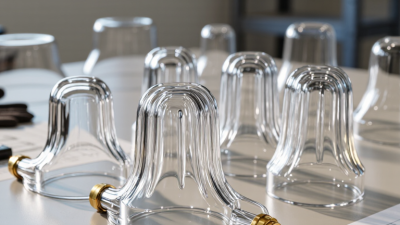
Leave Your Message
Choosing the right Anti-Fog Glass Insulator requires more than comparing appearance, price, or advertised performance. In transmission and substation environments, fog can create a wet surface film. This film may reduce insulation reliability, especially when salt, dust, or industrial particles are present. A suitable insulator should match the system voltage, mechanical load, pollution level, and local weather conditions. It should also provide dependable electrical performance after repeated wetting and drying cycles.
Start with the operating environment. Coastal locations may need stronger resistance to salt contamination. Mountain sites can require careful attention to freezing fog and sudden temperature changes. Check the insulator’s creepage distance, puncture strength, thermal behavior, and mechanical rating. Review tested data from recognized standards, such as applicable IEC or ANSI requirements. Manufacturer certificates, batch records, and inspection reports add useful confidence. Do not rely on a glossy coating alone.
Experience from field maintenance matters. Inspectors should examine cement joints, glass surfaces, hardware corrosion, and signs of discharge. Small chips can become serious weaknesses. The best design depends on the complete system, not one product feature. That point is easy to overlook. Anti-fog performance may also decline with aging, cleaning chemicals, or poor storage. A practical selection process compares laboratory results with actual site conditions. It should include spare planning, installation quality, and long-term inspection costs. There is no universal choice. Engineers should question incomplete data and revisit the decision when operating conditions change.
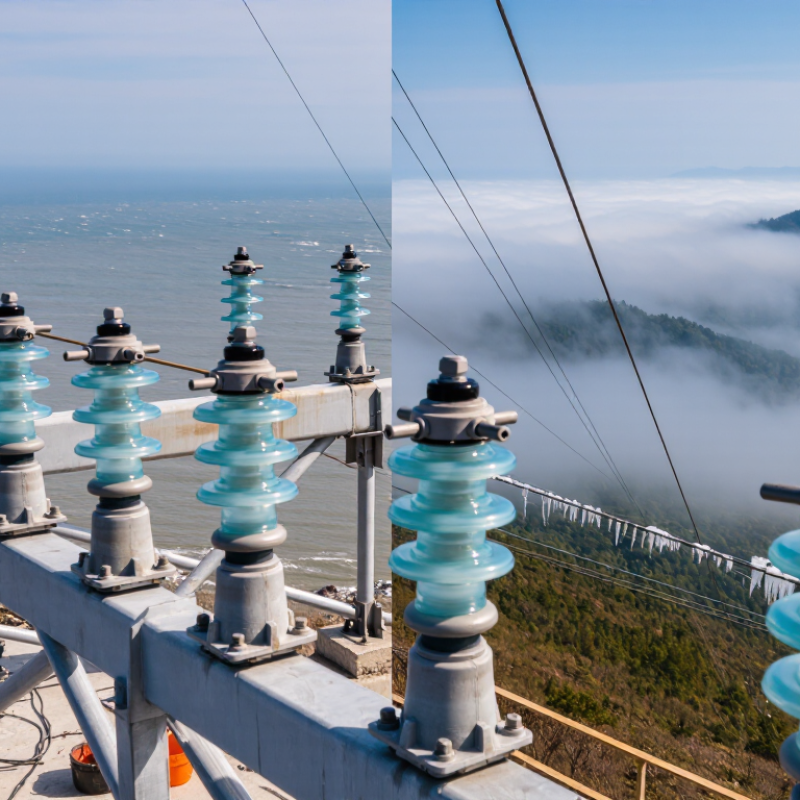
An anti-fog glass insulator is not simply glass that stays visually clear. It is a toughened glass insulator designed to reduce electrical flashover during fog, dew, or light rain. Moisture can dissolve salt and dust on the surface. A conductive film then forms across the sheds. Leakage current increases, and the risk of outage rises.
IEC 60815-1:2020 divides outdoor pollution into four site severity classes: light, medium, heavy, and very heavy. The standard links these classes to creepage distance and field conditions. CIGRE pollution-insulation guidance also identifies soluble deposits, non-soluble deposits, and wetting as key performance factors. Therefore, “anti-fog” should describe tested electrical performance, not a marketing phrase.
When choosing one, inspect shed spacing, creepage distance, glass quality, and the strength of the metal fittings. Check test records under artificial fog or pollution conditions. A longer creepage path is helpful, but it is not always better. Poor drainage can still trap contaminated water. Field engineers should compare local humidity, salt exposure, dust levels, and cleaning access. The label may sound precise. It often is not.
| Selection Dimension | What to Check | Typical Data or Requirement | Why It Matters |
|---|---|---|---|
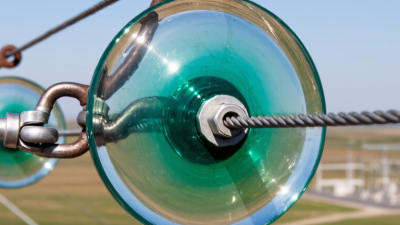
| Product Definition | Anti-fog design principle | A glass suspension insulator with a shed profile and creepage arrangement designed to reduce water bridging and surface flashover under fog, mist, rain, or pollution. | The anti-fog function normally comes from the insulator’s geometry, drainage behavior, and creepage distance rather than from a permanent fog-preventing coating. |
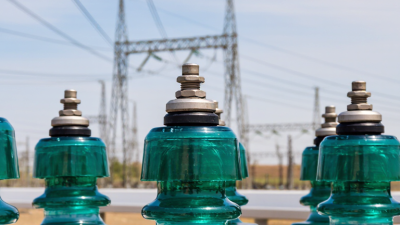
| Insulator Type | Suspension, tension, or pin configuration | Use suspension or tension units for overhead transmission and distribution strings; use pin-type units only where the line design specifically permits them. | The hardware arrangement and load path must match the tower, conductor, jumper, and string configuration. |
| Rated Voltage | System voltage and highest equipment voltage | Select according to the system’s highest operating voltage and the applicable electrical design standard, not only the nominal line voltage. | Higher-voltage systems generally require longer strings, greater clearances, or both. The final string length is determined by the complete line design. |
| Creepage Distance | Distance along the glass surface | Choose the creepage requirement according to pollution severity. Common design practice uses approximately 16, 20, 25, or 31 mm/kV, depending on the applicable standard and site conditions. | Fog combined with salt, industrial dust, or agricultural contamination can create a conductive film. A longer creepage path helps reduce leakage current and flashover risk. |
| Arcing Distance | Shortest through-air distance between energized and grounded parts | Must satisfy the required dry-arcing distance and insulation coordination for the operating voltage. | Creepage distance and arcing distance are different values. Increasing one does not automatically replace the other. |
| Pollution Severity | Site exposure to salt, dust, smoke, chemicals, or coastal fog | Classify the location using the relevant pollution-level method, such as light, medium, heavy, or very heavy exposure. | Coastal, desert, industrial, and agricultural locations may require anti-fog profiles with higher creepage distance and improved self-cleaning behavior. |
| Mechanical Strength | Specified mechanical load and safety margin | Verify the rated mechanical failing load, tensile load, cantilever load where applicable, and the required safety factor for the line. | The insulator must withstand conductor weight, wind, ice, construction loads, and short-circuit-related mechanical effects without damage. |
| Glass Material | Insulator glass quality and failure behavior | Use toughened or tempered electrical-insulator glass with consistent dielectric and mechanical properties. | Toughened glass commonly breaks into small granules after major failure, making visual inspection of damaged units easier than with many solid ceramic bodies. |
| Self-Cleaning Performance | Shed shape, spacing, and water drainage | Prefer profiles that limit water retention, provide open drainage paths, and reduce the accumulation of wet pollution between sheds. | A well-designed profile can improve performance during fog and light rain, but it cannot eliminate the need for inspection in severe pollution environments. |
| Wet Power-Frequency Performance | Wet withstand voltage and leakage behavior | Confirm the manufacturer’s tested wet power-frequency withstand voltage under the applicable standard. | Wet performance is especially important where fog, drizzle, and contamination occur together. Do not use dry withstand data as a substitute. |
| Impulse Withstand | Lightning and switching impulse capability | Check positive and negative lightning impulse withstand levels and switching impulse requirements where applicable. | The selected insulator must coordinate with the line’s insulation level, tower geometry, grounding system, and surge protection strategy. |
| Fittings and Interfaces | Ball-and-socket, clevis-and-tongue, pin, or other connection | Match the coupling dimensions, locking device, conductor hardware, and tower attachment to the existing line design. | Correct glass performance cannot compensate for incompatible fittings, poor locking, corrosion, or incorrect assembly. |
| Standards and Testing | Routine, sample, and type tests | Require compliance with the applicable electrical-insulator standard, such as IEC 60305 for cap-and-pin suspension insulators or the relevant local equivalent. | Review test reports for mechanical failing load, power-frequency withstand, impulse withstand, dimensional checks, and visual or thermal shock requirements. |
| Operating Environment | Temperature, altitude, wind, ice, and UV exposure | Evaluate the minimum and maximum ambient temperature, altitude correction, wind pressure, ice loading, and ultraviolet exposure. | Altitude can affect external insulation performance, while wind and ice influence mechanical loading and required clearances. |
| Inspection and Maintenance | Routine condition monitoring | Inspect for shattered glass, damaged fittings, corrosion, contamination buildup, arcing marks, and abnormal leakage or radio interference. | Glass suspension strings support practical visual and remote inspection because a failed glass unit is usually readily identifiable. |
| Final Selection Rule | Balance electrical, mechanical, environmental, and installation requirements | Choose the model whose rated voltage, creepage distance, withstand levels, mechanical load, fittings, and dimensions satisfy the complete line specification. | Do not select an anti-fog glass insulator by creepage distance alone. The complete insulation coordination and mechanical design must be verified before purchase or replacement. |
| Note: The numerical values shown are general engineering guidance. Exact ratings and dimensions vary by design and standard, so the final selection should be confirmed against the project specification, site pollution assessment, and certified test data. | |||