7 Best Glass Insulator 100b Suppliers for Global Buyers
Choosing a reliable Glass Insulator 100b supplier requires more than comparing product prices. Global buyers need proven manufacturing experience, consistent electrical performance, and dependable export support. This article introduces seven suppliers with relevant capabilities for transmission and distribution projects.
The review considers porcelain or glass quality, galvanizing, dimensional accuracy, and resistance to mechanical stress. It also examines factory testing, quality certificates, packaging methods, and delivery experience. Details matter. A cracked crate or poorly protected metal fitting can create costly delays at the destination. Supplier communication also deserves attention, especially when specifications, drawings, and inspection reports must cross language barriers.
The selected companies represent different manufacturing strengths and regional advantages. Some may offer strong production capacity, while others provide flexible customization or faster response times. No supplier is perfect. A ranking can simplify research, but it cannot replace technical verification or sample approval. Buyers should confirm applicable standards, test procedures, warranty terms, and after-sales responsibilities before placing an order.
This guide is written from a practical procurement perspective. It aims to support engineers, distributors, and project managers who need dependable sourcing information. The final choice should reflect voltage requirements, installation conditions, shipping distance, and total lifecycle value. Careful comparison is worthwhile. Even small differences in material control or inspection discipline can affect long-term network reliability.
Understanding 100b Glass Insulators and Their Global Applications
A 100b glass insulator is commonly associated with high-voltage overhead transmission systems. In many supply catalogs, the designation refers to a cap-and-pin suspension unit with a mechanical strength near 100 kN. Buyers should confirm this meaning with the supplier, because naming practices can vary between standards and regions. A reliable specification sheet should show mechanical load, dry flashover voltage, wet flashover voltage, creepage distance, and dimensions.
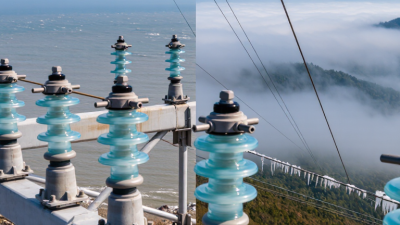
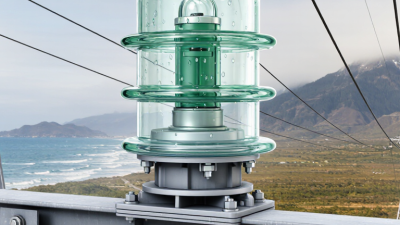
Its transparent glass body helps inspectors identify cracks, contamination, or internal damage from the ground. This visibility is valuable on long transmission corridors, where maintenance teams may work beside forests, farmland, coastlines, or industrial zones. Toughened glass also breaks into small granular pieces after severe electrical or mechanical stress, reducing the risk of large sharp fragments remaining on the line. The hardware still needs careful checking.
Global buyers use 100b assemblies on medium- and high-voltage lines, especially where consistent performance and straightforward visual inspection matter. Coastal projects require attention to salt pollution and longer creepage paths. Dry inland regions may need designs that resist dust buildup and sudden temperature changes. During procurement, ask for routine and type-test records, galvanizing details, packing methods, and traceable batch information. A supplier may offer an attractive price, but incomplete test evidence creates uncertainty. That lesson is easy to overlook. Field conditions should guide selection, not catalog language alone.
Understanding 100B Glass Insulators
In IEC designation, “100” indicates a nominal electromechanical failing load of 100 kN. The chart compares common nominal load classes; it does not rank suppliers. Required insulator strings depend on system voltage, mechanical loads, environmental conditions, and applicable standards.
Key Standards for Evaluating Glass Insulator 100b Suppliers
Key Standards for Evaluating Glass Insulator 100B Suppliers
Evaluating a glass insulator 100B supplier starts with the rating, not the brochure. Confirm the exact mechanical load, dimensions, creepage distance, and coupling design. IEC 60383-1 provides the core framework for overhead-line insulator tests. IEC 60120 also helps verify standard coupling dimensions. Ask for recent type-test and routine-test records. They should identify the laboratory, test date, sample number, and failure result.
Material control is equally important. Toughened glass should show consistent transparency, surface quality, and compression performance. Look for documented checks on glass composition, thermal treatment, zinc sleeves, cement, and pins. A supplier’s ISO 9001 certificate supports process control, but it does not prove every shipment is reliable. That distinction matters. Request batch inspection data, including visual checks, mechanical sampling, and electrical puncture results. Independent verification is stronger than a scanned certificate.
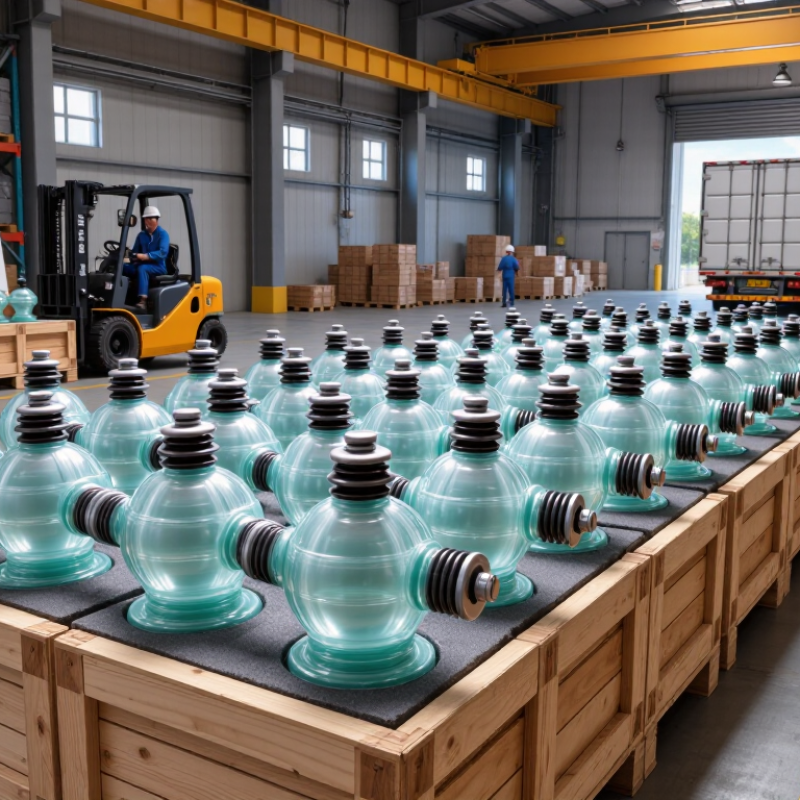
Supply capability needs measurable evidence. The IEA’s 2023 Electricity Grids report says annual grid investment must exceed 600 billion dollars by 2030. This growth increases pressure on production capacity and delivery discipline. Ask suppliers to disclose monthly output, mold availability, rejection rates, packaging methods, and export experience. Check whether wooden cases protect insulators from edge impacts and moisture during long transport. CIGRE guidance also emphasizes condition monitoring and coordinated quality practices for overhead lines. I would still inspect a trial batch before signing a large contract. A supplier may meet the standard on paper, yet miss details in the field.
Seven Leading Glass Insulator 100b Suppliers for International Buyers
7 Best Glass Insulator 100b Suppliers for Global Buyers
Seven Leading Glass Insulator 100b Suppliers for International Buyers
International buyers need more than a low quotation. The seven leading supplier profiles include large utility manufacturers, export-focused factories, custom engineering producers, and high-volume glass insulator plants. Regional stockists, independent OEM suppliers, and certified specialist workshops also deserve review. Each option serves a different purchasing need. Some support container orders, while others handle smaller replacement batches. Easy to miss.
A capable supplier should provide clear 100b dimensions, mechanical strength data, electrical performance records, and material specifications. Ask for routine test results and type-test evidence linked to recognized standards, such as IEC 60305 or applicable ANSI requirements. Factory audits can reveal kiln control, glass inspection, metal fitting quality, and galvanizing consistency. Look closely at packaging. Wooden crates, separators, and moisture protection matter during long ocean transport. One cracked insulator can delay an entire project.
Price comparisons need care. A cheaper offer may exclude testing, spare units, export packing, or replacement terms. That detail can change the real cost. Buyers should also check production capacity, lead times, traceability codes, and communication reliability. A supplier with excellent documents may still struggle with urgent schedules. Conversely, a smaller workshop may respond faster but lack stable batch control. The selection is not perfect; experienced buyers should compare evidence, not promises. Requesting a sample batch before a large order remains a sensible safeguard.
Comparing Product Quality, Pricing, Capacity, and Export Services
Selecting a reliable 100b glass insulator supplier requires more than comparing catalog prices.
Product quality should be checked through material consistency, thermal shock resistance, mechanical strength, and routine test records. Ask for recent laboratory reports and sample results. A clear inspection process shows practical manufacturing experience. Visual checks also matter. Look for smooth glass surfaces, uniform dimensions, clean cement joints, and secure metal fittings.
Pricing should be assessed against capacity and service, not alone.
A low quotation may exclude testing, packaging, inland transport, or export documentation. Confirm monthly output, mold availability, and lead times during peak seasons. Suppliers with stable capacity can reduce delays on large orders. However, stated capacity still needs verification through factory audits, production photos, or independent inspections. Some claims sound impressive but remain difficult to prove.
Tips:
Request three samples before approval. Compare breaking loads, coating quality, and packing strength. Check whether wooden crates protect fittings during long ocean transit. Confirm HS codes, certificates, inspection terms, and insurance responsibilities in writing. Export service quality often appears in small details, such as fast replies and accurate documents. Do not ignore communication gaps. They may signal trouble later. A careful buyer should also review rejected samples and ask why they failed, rather than accepting only successful test data.
How to Select the Right 100b Glass Insulator Supplier for Your Project
Selecting the Right 100B Glass Insulator Supplier for Your Project
A 100B glass insulator should match your line voltage, mechanical load, pollution level, and installation environment. Do not select by unit price alone. Confirm the supplier’s interpretation of “100B,” because designations can vary between ANSI and IEC purchasing documents. Request certificates for type, routine, and sample tests. These should cover wet power-frequency flashover, impulse withstand, mechanical failing load, and puncture resistance.
Field reliability depends on more than factory testing. The U.S. Department of Energy reported that weather caused about 83% of major U.S. power outages from 2000 to 2021. Ask suppliers for evidence from similar coastal, desert, icing, or high-altitude projects. CIGRE technical guidance also emphasizes pollution performance, installation quality, and condition monitoring. Look for documented glass composition, tempering controls, zinc-sleeve protection, and traceable batch records. Clear records matter.
Visit the plant if the project is critical. Check furnace temperature controls, inspection stations, and rejected-unit handling. I once focused too heavily on laboratory results. The overlooked issue was packaging damage during transport. Ask for impact-resistant packing, moisture protection, spare-unit recommendations, and a realistic delivery schedule. A dependable supplier should explain failure risks honestly, not promise zero defects. Independent verification may cost more, but it can expose weaknesses before thousands of insulators reach the line.