How to Choose Anti-Fog Glass Insulators in 2026
Choosing an Anti-Fog Glass Insulator in 2026 takes more than comparing prices or browsing catalog photos. The right design must suit the line’s operating voltage, mechanical loading, and local pollution conditions. Coastal salt, cement dust, and persistent fog can affect performance in different ways. A product that works well inland may need closer evaluation near a shoreline or industrial site.
Start with the application data. Confirm the required voltage rating, creepage distance, shed profile, and specified mechanical strength with the project engineer or manufacturer. Check product dimensions and connection hardware against the existing assembly. Small details matter. Review available test reports, traceability documents, and applicable technical standards rather than relying on a sales description alone. Ask how the glass surface and shed design are intended to perform under wet, contaminated conditions. Do not guess.
Inspection also deserves attention. Look for chips, cracks, uneven surfaces, or damage around the metal fittings, and follow the supplier’s handling guidance. A catalog photo can look convincing; it cannot reveal every detail of manufacturing quality or suitability for a specific site. Compare suppliers on verified specifications, quality controls, and technical support, not only on cost. If site pollution data or loading assumptions are uncertain, pause and obtain a qualified assessment. That may add time. It can also prevent an unsuitable selection. This guide explains the practical checks buyers can use to make a better-informed choice in 2026, while recognizing that no single insulator design fits every installation.
Understand How Anti-Fog Glass Insulators Work
Anti-fog glass insulators work by limiting the conditions that let leakage current grow. Fog wets pollution on the glass, creating a thin conductive film. Current then travels along the surface. Local heating can dry small patches, forming “dry bands” where electrical stress may trigger tiny arcs. Repeated arcing can damage the surface or cause a flashover. The design does not stop fog; it helps manage the wet, contaminated path.
Shed shape and spacing add creepage distance—the surface route between energized and grounded parts. A well-designed profile also helps droplets drain instead of bridging adjacent sheds. IEC 60815-1 classifies site pollution severity into five levels, from very light to very heavy, using site conditions and pollution measurements to guide insulator selection. That framework matters: a foggy inland site and a salt-exposed coastal site may need different designs. “Anti-fog” alone is not a performance guarantee.
For practical checks, inspect the underside of sheds, where deposits can collect, and look for persistent wet streaks or arc marks. Compare the specified creepage distance with measured site pollution, then review operating records after wet-weather events. I would not choose by appearance alone. Glass can look clean while a thin deposit remains. That detail is easy to miss. Selection should also consider voltage, altitude, cleaning access, and the utility’s maintenance experience.
Assess Site Conditions and Contamination Risks
Fog alone is not enough to guide insulator selection. Start with a site walk after wet weather, when deposits and drainage patterns are easier to see. Note coastal salt, cement dust, agricultural residue, and industrial fallout. Their conductivity and persistence differ. A pale crust on a crossarm can be a warning, even when the glass looks clean.
Record elevation, wind exposure, fog frequency, and nearby pollution sources. Check whether mist settles for hours or clears quickly. Long wetting periods can let surface deposits conduct current and increase flashover risk. Ask maintenance crews where leakage marks, damaged fittings, or repeat washdowns occur. Their observations may reveal patterns that a short inspection misses.
Use local pollution data and applicable utility or engineering guidance to assess creepage distance and profile needs. Do not choose a design from a general map alone. Real sites are uneven. A sheltered span may collect more grime than an exposed ridge, and a single season may mislead. If records are thin, treat the estimate as provisional and plan follow-up inspections after fog and salt events. That extra check can feel inconvenient. It is often cheaper than discovering the assumption was wrong.
Compare Insulator Designs, Materials, and Performance
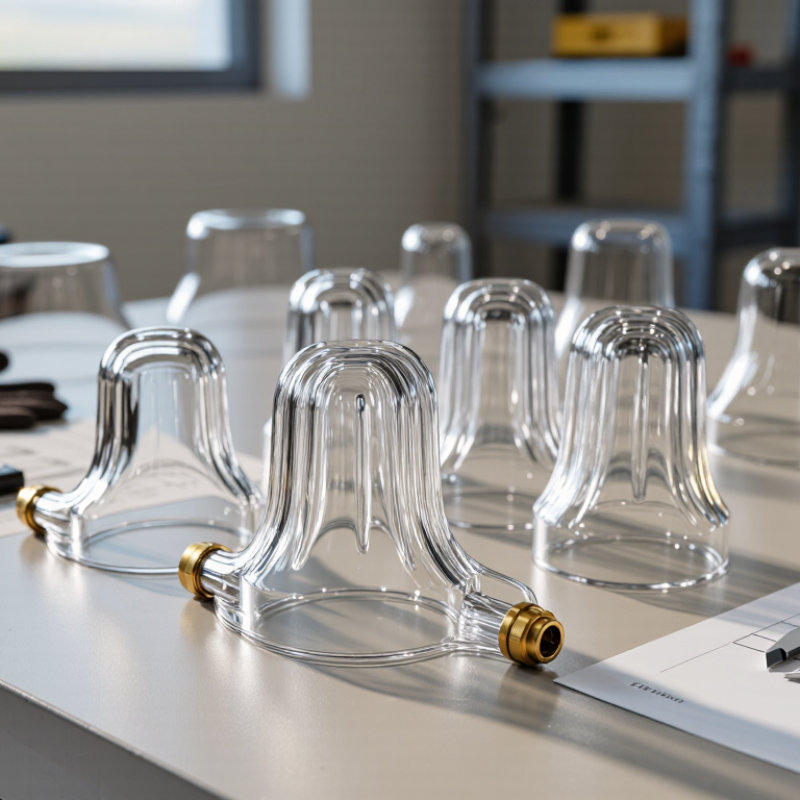
Anti-fog performance depends on more than the glass itself. Shed shape affects how droplets drain and how much creepage distance remains exposed. Wider spacing can help limit bridging water films, while deep profiles may collect dust in sheltered areas. Small details matter.
Toughened glass offers a hard, weather-resistant surface, and damage can often be spotted during inspection. Yet ordinary glass may become wettable when dust, salt, or industrial residue builds up. A hydrophobic surface treatment can encourage water to bead instead of spreading into a continuous film. Its effectiveness may decline with abrasion, aging, or poor cleaning practices. Not always.
When comparing designs, check the intended voltage, pollution level, and local fog conditions. Look for test data on wet performance, leakage current, and coating durability, not just dry electrical ratings. A smooth profile may shed water well but provide less creepage distance than a more complex design. I would treat laboratory results as a starting point, not a promise of identical field behavior. During selection, match the insulator’s dimensions and surface treatment to actual site exposure, including nearby dust sources and frequent condensation.
Plan Installation, Inspection, and Maintenance
How to Choose Anti-Fog Glass Insulators in 2026
Plan installation around the actual site, not only the catalogue rating. Record elevation, humidity, salt or industrial pollution, wind exposure, and expected temperature swings. IEA’s 2023 report, Electricity Grids and Secure Energy Transitions, estimates that 80 million kilometres of grids must be added or refurbished by 2040. That scale makes consistent installation and inspection planning essential. Confirm the glass unit’s mechanical and electrical ratings against the project design, and check that fittings, clearances, and string orientation match approved drawings. A small mismatch can complicate replacement later.
Before energizing, inspect each unit for cracks, chips, contamination, and damaged metal fittings. Photograph suspect areas and record the insulator position, weather, and findings; consistent records help identify changes over time. Schedule follow-up checks based on local pollution and operating history, not a convenient calendar alone. A fixed annual interval looks neat, but may miss rapid salt buildup after coastal storms. Adjust inspection frequency when field evidence supports it.
Tips: Keep a simple log. Note cleaning dates, defects, and weather. Use approved handling and cleaning procedures, since rough treatment can damage glass or fittings. If inspection access is difficult, plan safe access before installation, not after the first fault.
Anti-Fog Glass Insulator Selection: Creepage Distance by Pollution Severity
IEC 60815 reference values indicate increasing unified specific creepage distance (USCD) as pollution severity rises. Use these values as a planning reference, then confirm the required creepage distance for the installation voltage and site conditions. During inspections, check for contamination, damage, and signs of flashover; set cleaning and maintenance plans according to local conditions.