10 Best CTV 255 Isolator en Verre for Global Buyers
Choosing the right Ctv 255 Isolator En Verre requires more than comparing prices or catalogue photographs. Global buyers need dependable performance, traceable manufacturing, and practical field evidence. This introduction presents ten glass isolators selected for demanding electrical networks, coastal installations, industrial sites, and changing climates.
According to Jean-Pierre Dumas, a high-voltage insulation engineer, “A glass insulator must be judged in the field, not by a catalogue image alone.” That principle guides this review. Each option deserves attention for mechanical strength, dielectric reliability, surface condition, dimensional consistency, and resistance to pollution. Clear glass can reveal cracks. It can also expose poor finishing.
Real installations teach difficult lessons. Salt deposits may gather around fittings. Dust can reduce insulation performance. Sudden temperature changes may stress vulnerable components. For that reason, buyers should examine test reports, quality-control procedures, packaging methods, and replacement support. Product origin matters. So does communication after delivery.
No ranking is perfect. Some information depends on regional standards, application voltage, and installation design. A strong product in a dry inland network may perform differently near a humid coastline. This guide therefore avoids simple “best for everyone” claims. Instead, it compares meaningful details that procurement teams can verify.
The selected Ctv 255 Isolator En Verre products are assessed for consistency, service practicality, and supplier credibility. We also consider overlooked concerns, including handling damage, fitting compatibility, and inspection access. Small details matter. That is where reliability begins.

CTV 255 Glass Insulator: Definition and Core Purpose
CTV 255 Glass Insulator: Definition and Core Purpose
A CTV 255 glass insulator is typically a tempered-glass suspension or line-insulator designation used in overhead power systems. Its core purpose is simple: support energized conductors while preventing current from reaching towers, crossarms, or grounded structures. The “255” may refer to a mechanical, electrical, or product-series value, depending on the manufacturer. Buyers should verify the exact meaning through certified drawings and test records.
Glass provides visible damage detection. After a severe electrical fault, tempered glass can shatter, making failed units easier to identify from the ground. Its smooth surface also limits dirt retention, although salt, cement dust, and industrial pollution still reduce insulation performance. IEC 60383-1 testing covers key characteristics, including power-frequency withstand, impulse withstand, and mechanical performance.
The need for dependable insulation is growing. The International Energy Agency’s Electricity 2024 report forecasts global electricity demand growth of about 4% in 2024 and an average annual increase of 3.4% through 2026. More transmission capacity means more attention to long-term line reliability. Field teams should inspect cement interfaces, metal fittings, cracks, and contamination marks before installation. A clean-looking disc can still hide weak hardware. That is an uncomfortable point, but catalog images cannot replace inspection, and the CTV 255 designation alone does not prove suitability for every climate or voltage class.
Design Structure and Key Technical Characteristics
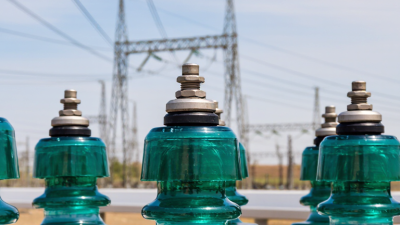
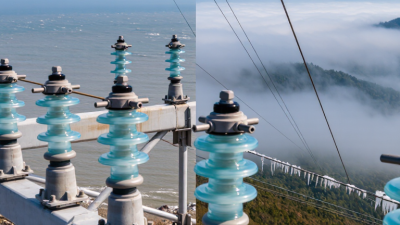
The CTV 255 isolator en verre uses a suspension-style structure built around a toughened glass disc, metal cap, pin, and cemented connection. The glass body carries electrical stress while the fittings transfer mechanical loads along the string. Its transparent surface also makes cracks easier to notice during visual inspection.
The shed profile creates creepage distance and helps water run away from the energized surface. This design supports insulation performance in rain, dust, and changing outdoor conditions. Engineers normally check rated voltage, lightning impulse withstand, power-frequency withstand, and mechanical strength before selection. The exact creepage requirement depends on pollution severity, altitude, and installation position. Small differences matter.
In field work, I would inspect the cement area, locking hardware, and glass edges before assembly. A loose fitting can weaken the entire string. The CTV 255 should also match conductor loads, tower geometry, and required safety clearances. Routine washing may be useful in heavily contaminated locations, but cleaning methods need careful control. Harsh handling can create damage that is not immediately visible. That is easy to miss. Test reports should include dimensional checks, mechanical tests, and electrical verification against the applicable technical standard. Supplier claims alone are not enough. Performance can vary when site conditions differ from laboratory assumptions.
CTV 255 Glass Insulator: Design Structure and Key Technical Characteristics
The chart presents representative reference values for a 255 mm creepage-distance glass suspension-insulator class.
Values are normalized against the creepage distance to make dimensions and electrical ratings easy to compare.
Typical reference characteristics include a 255 mm creepage distance, 127 mm dry arcing distance, 80 kV power-frequency withstand,
125 kV lightning impulse withstand, and a 70 kN mechanical failing load. Final selection should be verified against the applicable IEC specification and project conditions.
Manufacturing Materials and Quality Control Standards
For global buyers, a CTV 255 glass isolator should begin with material discipline. The glass body usually requires toughened soda-lime glass with stable chemical composition. Metal caps and pins need controlled steel quality, accurate machining, and durable zinc protection. Cement must bond evenly without hidden voids. Small defects matter.
The IEA Electricity 2024 report recorded 2.2% global electricity-demand growth in 2023. It forecasts average annual growth of 3.4% from 2024 to 2026. This pressure makes dependable grid components more important. Manufacturers should follow IEC 60383-1 testing principles for glass and ceramic overhead-line insulators. Quality control should include raw-material certificates, dimensional checks, thermal-shock testing, mechanical load testing, and dry and wet power-frequency tests. Pollution testing also deserves attention, especially for coastal or industrial sites. A clean factory sample proves little. Field dust tells another story.
Tips:
Ask for batch traceability, test records, and coating-thickness results. Inspect glass for chips, bubbles, and uneven surfaces. Confirm the stated voltage class, creepage distance, and fitting dimensions. Do not rely on photographs alone. A perfect-looking shell may hide weak cement or poor metal alignment. No process is flawless. Buyers should compare independent inspection findings with factory data before approval. Calibration records for testing equipment should remain current, although this detail is often overlooked.
Installation, Inspection, and Maintenance Guidelines
10 Best CTV 255 Isolator en Verre for Global Buyers
Installation, Inspection, and Maintenance Guidelines
Installing a CTV 255 glass insulator demands clean handling and controlled site work. Qualified personnel should isolate, de-energize, and ground the line before installation. Check the delivery crate for moisture, impact marks, and missing hardware. Inspect each glass unit under clear daylight. Reject pieces with cracks, deep chips, loose fittings, or unusual cement movement. Small damage can grow under electrical and mechanical stress.
Use approved tools and follow the specified assembly sequence. Keep metal fittings free from dirt, oil, and burrs. Tighten connections according to the project torque requirement, not personal judgment. Excessive force may damage the glass or distort the hardware. Allow proper alignment along the string. A crooked assembly can create uneven loading. It happens more often than expected.
Inspection should continue after installation. Look for broken glass, corrosion, displaced cotter pins, and contamination from salt, dust, or industrial deposits. Clean surfaces with the utility’s approved method. Avoid abrasive tools and sudden temperature changes. During scheduled maintenance, compare current photographs with earlier records. Infrared checks may help identify abnormal heating, but trained workers must interpret the results. A rushed inspection can miss a hairline defect. Weather also changes what the eye can see. When uncertainty remains, quarantine the component and request technical evaluation instead of guessing.
Global Buyer Criteria: Compatibility, Certification, and Supply Options
10 Best CTV 255 Isolator en Verre for Global Buyers
Global buyers should treat CTV 255 glass isolators as engineered components, not interchangeable catalog items. The designation may vary between suppliers. Confirm the voltage class, creepage distance, mechanical load, mounting dimensions, and conductor arrangement against the latest drawing. A small mismatch can delay installation or create unsafe stress during service.
Compatibility comes first. Ask for dimensional drawings, material specifications, test reports, and installation instructions. Check whether the glass body suits coastal, dusty, icy, or high-altitude conditions. In practical sourcing, I have seen projects fail because buyers checked electrical ratings but ignored bolt spacing. That mistake is easy to repeat. Request samples when the application is critical, and compare the sample with the approved technical schedule.
Certification should match the destination market and project specification. Look for evidence of relevant IEC testing, factory quality controls, routine inspection, and traceable batch records. Certificates without matching product codes deserve careful review. Supply options also matter. Compare available stock, production lead time, minimum order quantity, spare-unit support, export packaging, and inspection services. Strong suppliers can provide wooden crates, moisture protection, and clear labels for each shipment. Still, delivery promises are not always reliable; confirm capacity before issuing a purchase order. Ask how damaged units are reported, replaced, and documented.