Leave Your Message

What Is an Anti Fog Glass Insulator and How Does It Work?

An Anti-Fog Glass Insulator combines electrical insulation with a water-repellent or hydrophilic surface treatment. Its glass body withstands voltage, while the coating changes how moisture behaves on the surface. Instead of forming scattered droplets, condensation spreads into a thin, clearer film. Visibility improves. Leakage paths may also become less concentrated.

This matters in outdoor power networks, railway equipment, cameras, and industrial enclosures. Fog, salt, dust, and freezing moisture can weaken insulation performance. IEC 60815-1:2020 stresses that environmental pollution and wetting conditions must guide insulator selection. The CIGRE Technical Brochure 291 also identifies icing and contamination as major concerns for outdoor insulation systems. These findings support a practical point: anti-fog performance cannot replace correct creepage distance, cleaning, or field testing.

Dr. Masoud Farzaneh, a leading atmospheric-icing researcher, has stated, “Ice accretion on outdoor insulators is a complex phenomenon influenced by atmospheric conditions.” His work reminds engineers that surface treatment is only one control measure. It is not a magic shield.

Recent MarketsandMarkets and Grand View Research reports describe steady growth in anti-fog coating demand, driven by transportation, optics, healthcare, and energy applications. However, market reports often group glass, plastic, and polymer products together. That classification can blur the real performance of an Anti-Fog Glass Insulator.

A reliable design therefore needs contact-angle testing, wetting tests, aging trials, and electrical verification. Engineers should inspect a treated surface under real humidity, not only under laboratory lights. Small defects matter. One overlooked scratch may collect dust, moisture, and contaminants.

This article explains the structure, working principle, benefits, limitations, and testing methods behind Anti-Fog Glass Insulator technology. The topic looks simple. Field conditions are not.
What Is an Anti Fog Glass Insulator and How Does It Work?

Definition and Basic Structure of an Anti-Fog Glass Insulator

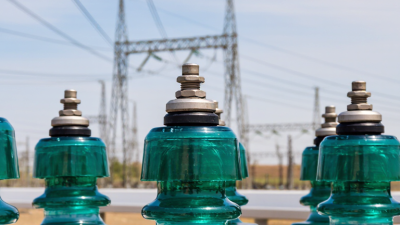
An anti-fog glass insulator is a high-voltage insulator designed to reduce flashover risk during fog, rain, and surface pollution. It is commonly used on overhead transmission and distribution lines. The term “anti-fog” does not mean the glass stays visually clear. It describes a shape and electrical design that performs better when moisture creates a conductive film.

Its basic structure includes a tempered glass body, a metal cap, a metal pin, and cemented connections. The glass body carries the insulation duty, while the cap and pin connect it to the conductor and tower hardware.

Several curved sheds extend from the central body. These sheds lengthen the leakage path and help separate wet areas on the surface. Deeper grooves also encourage water to drain away instead of forming one continuous path.

In field inspections, technicians check broken glass, loose fittings, cement cracks, and pollution deposits. A clean-looking unit may still have reduced performance. That detail is easy to miss.

Anti-fog designs can improve reliability, but they cannot replace correct voltage selection, spacing, cleaning plans, and grounding. Performance also depends on local salt, dust, humidity, and wind conditions. The structure helps control moisture; it does not eliminate every failure risk.


Why Fog Forms on Glass Insulators

What Is an Anti Fog Glass Insulator and How Does It Work?

Fog forms on glass insulators when moist air meets a cooler glass surface. The air reaches its dew point, and water vapor becomes tiny droplets. The World Meteorological Organization defines fog as suspended droplets that reduce visibility below 1 kilometer. On transmission equipment, the same moisture can create a thin conductive film across the insulator surface.

It starts quietly.

Dust, salt, and industrial particles make the problem worse. These contaminants absorb moisture and increase surface conductivity. IEC 60815 classifies outdoor pollution into four site severity levels, showing why local exposure matters when selecting insulation. An anti-fog glass insulator usually combines a carefully shaped surface with a hydrophilic treatment or coating. Instead of forming isolated beads, water spreads into a thinner film and drains more evenly. This reduces trapped droplets and helps limit leakage paths.

Field inspection still matters. A coating cannot remove heavy contamination, damaged glass, or poor drainage. CIGRE guidance on pollution performance emphasizes that wetting, contamination, and electrical stress must be evaluated together. That point is often underestimated. In real service, fog may arrive before dawn, while wind carries salt onto already damp surfaces. Laboratory results can look cleaner than the tower environment. Engineers should therefore compare humidity, temperature, pollution deposits, and leakage-current records before judging anti-fog performance.

How Anti-Fog Insulators Prevent Surface Moisture

What Is an Anti Fog Glass Insulator and How Does It Work?

An anti-fog glass insulator is designed to reduce moisture buildup on its surface. Ordinary glass can collect tiny droplets when warm, humid air meets a cooler insulating surface. These droplets may scatter light, attract dust, and create uneven electrical leakage paths.

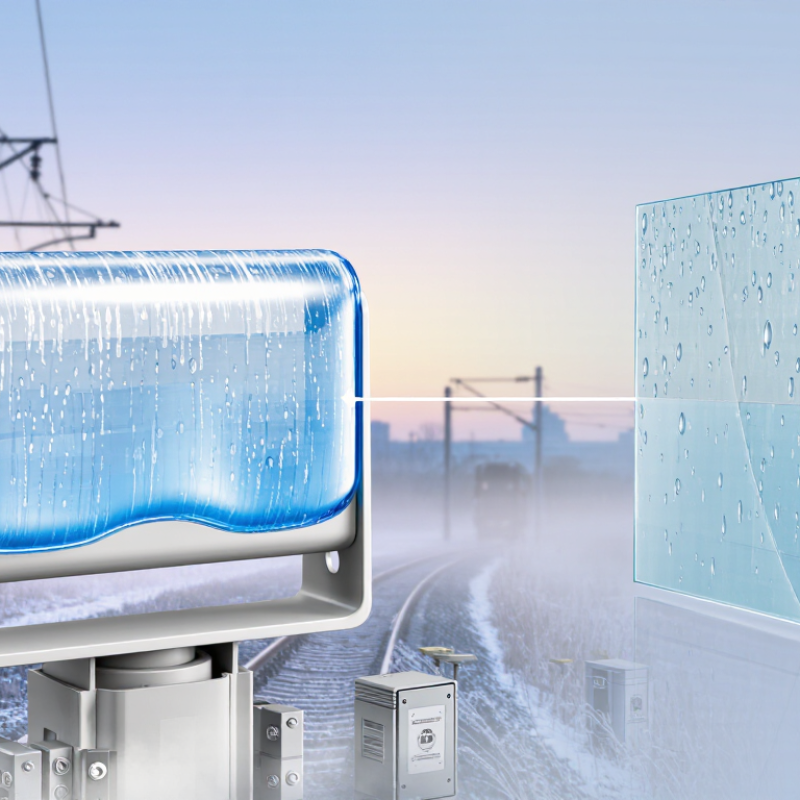
Anti-fog insulators manage this surface moisture in practical ways. Some use a hydrophilic treatment that spreads water into a thin, continuous film instead of separate droplets. Others include surface heating or a carefully shaped profile that helps water drain away. The goal is not to remove humidity from the air. It is to prevent moisture from forming a disruptive layer.

This matters in outdoor substations, railway systems, and exposed electrical equipment. A clean, even surface supports more stable insulation performance. However, coating quality, temperature changes, salt, and dust still affect results. Anti-fog protection is helpful, not magical. Field testing remains necessary, and maintenance should not be ignored.

Tips: Keep the glass surface clean and inspect it after heavy rain or freezing weather. Check for scratches, uneven coating, or trapped dirt. Choose a design suited to the local climate. A solution that performs well in a dry area may need adjustment near coasts or industrial zones. Temperature records can also reveal when fogging is most likely.

What Is an Anti Fog Glass Insulator and How Does It Work? - How Anti-Fog Insulators Prevent Surface Moisture

Data Dimension Typical Fact or Design Data How It Helps Prevent Surface Moisture Problems
Definition A glass electrical insulator designed or selected to reduce the electrical effects of fog, dew, rain, and pollution on its surface. It does not necessarily stop water from forming. Instead, its profile, surface condition, and insulation distance help limit leakage current and flashover risk when moisture is present.
Main Insulating Material Toughened or tempered glass is commonly used for suspension-insulator discs because it has high dielectric strength, good mechanical strength, and a visible failure mode when damaged. The glass body keeps the energized conductor electrically separated from the tower or supporting hardware while the surrounding air and surface geometry manage electrical stress.
Moisture Source Fog and dew form when a surface reaches or falls below the local dew-point temperature. Rain and high humidity can create additional surface water. The critical electrical issue is not moisture alone, but moisture interacting with soluble salts, dust, cement particles, industrial deposits, or other contamination.
Surface Contamination A dry pollution layer is often relatively resistive; when wetted by fog or dew, dissolved contaminants can create a conductive electrolyte film. Reducing contamination deposits and preventing continuous wet paths helps control leakage current and decreases the likelihood of dry-band arcing.
Shed or Umbrella Profile The glass disc uses projecting sheds and protected undersides to interrupt direct water paths and provide sheltered surface areas. Sheds reduce the chance that a single continuous water film will bridge the entire insulation surface, although they cannot eliminate wetting under severe fog or pollution.
Creepage Distance The leakage path follows the insulator surface between the energized and grounded ends. Required creepage distance varies with voltage, pollution severity, material, and installation conditions. A longer or better-protected creepage path raises the distance that leakage current must travel across a damp, contaminated surface.
Hydrophobicity Standard glass is generally not inherently hydrophobic. Water-repellent performance depends on the surface finish, applied treatment, cleanliness, aging, and environmental exposure. A hydrophobic surface can keep water in separated droplets rather than allowing a continuous conductive film, but hydrophobicity should not be assumed without verified test data.
Leakage Current Leakage current increases when moisture dissolves surface contaminants and creates conductive paths. Its magnitude depends on wetting, pollution conductivity, surface area, and voltage stress. Monitoring leakage current can provide an indication of worsening wet pollution conditions before a flashover occurs.
Dry-Band Arcing Uneven drying caused by leakage-current heating can create dry, high-resistance sections within an otherwise wet conductive layer. Voltage can concentrate across these dry bands, producing arcs that may extend along the surface and develop into a complete flashover.
Glass Failure Behavior Toughened glass discs are designed to fragment when punctured or severely damaged, making certain failures easier to identify during visual inspection. Visible damage supports maintenance planning, but a damaged or missing glass disc must still be replaced because the intended insulation level is no longer available.
Typical Applications Overhead transmission lines, substations, coastal corridors, industrial zones, humid valleys, and locations with frequent fog or salt contamination. These locations benefit from pollution-specific insulation coordination, suitable creepage distance, effective shed geometry, and an appropriate cleaning or inspection program.
Relevant Engineering Guidance Insulator selection is commonly evaluated using overhead-line insulator requirements and pollution-environment guidance, including IEC 60383-1 and IEC 60815 series documents. Standards-based selection considers system voltage, pollution severity, altitude, rain and fog exposure, creepage distance, and required withstand performance rather than relying on a single anti-fog feature.
Maintenance Measures Inspection, washing where appropriate, replacement of damaged units, contamination assessment, and condition monitoring are common maintenance actions. Keeping the surface clean and preserving the designed creepage path reduces the amount of conductive material available when fog or dew wets the insulator.

Materials and Design Features That Improve Fog Resistance

An anti-fog glass insulator is designed to reduce moisture films that can support surface leakage and flashover. Its toughened glass body provides mechanical strength and a smooth, stable surface. During manufacturing, controlled heating and rapid cooling improve resistance to temperature changes and impact. However, glass alone does not prevent fog-related pollution problems.

Surface treatment plays a major role. Hydrophilic coatings spread condensed water into a thin, more uniform layer, reducing isolated droplets and unstable discharge paths. Some designs use hydrophobic silicone-based coatings instead. These coatings make water bead and roll away, leaving less continuous moisture on the surface. Their performance depends on coating quality, aging, dust, and ultraviolet exposure. A neglected coating can perform worse than expected.

The shed profile is equally important. Deep, well-spaced sheds shield the lower surface from direct wetting and increase the creepage distance. Rounded edges help limit electric-field concentration near wet areas. Drainage channels can prevent water from collecting around the metal fittings. In field inspections, technicians should examine cracked glass, coating wear, cement damage, and heavy salt deposits. Fog resistance is never permanent. Weather patterns, pollution, and cleaning practices may change the result. Even a carefully engineered insulator needs testing under realistic humidity and contamination conditions.

What Is an Anti-Fog Glass Insulator and How Does It Work?

Anti-fog glass insulators use surface engineering to control condensation. Hydrophilic coatings reduce water-droplet formation by spreading condensed moisture into a thin, transparent film, while smooth surfaces and photocatalytic materials can help maintain optical clarity.

The chart shows representative water-contact-angle ranges reported for common glass surfaces and coating types. Lower contact angles generally indicate better water spreading and stronger anti-fog behavior; actual performance depends on coating thickness, surface cleanliness, humidity, temperature, and airflow.

Applications, Benefits, and Maintenance Requirements

An anti-fog glass insulator is designed to resist moisture buildup on its surface. It usually combines toughened glass with a hydrophilic coating or a specialized surface treatment. Instead of forming separate droplets, moisture spreads into a thin film. This helps preserve electrical insulation during fog, rain, and high humidity.

These insulators are used on overhead power lines, substations, railway electrification systems, and coastal electrical equipment. They are especially useful where salt, dust, and condensation reduce surface performance.

Clearer glass also supports easier visual inspection. Maintenance teams can spot cracks, chips, pollution layers, or discharge marks more quickly. The benefit is practical. Fewer blind spots can improve inspection decisions.

Maintenance still matters. Anti-fog treatment is not a permanent shield. Technicians should inspect the glass after severe storms, salt exposure, or unusual flashover activity. Cleaning should follow the manufacturer’s approved method, using clean water and non-abrasive tools. Harsh chemicals, rough brushes, and pressure applied too closely may damage the surface treatment. Check drainage and nearby fittings as well. Water trapped around hardware can create avoidable problems. In field work, coatings may perform differently as they age, so replacement intervals should depend on inspection records, local pollution, and operating conditions. Some installations still need more frequent cleaning than expected.