How to Choose the Right Glass Insulator 120b for Your Project?
When embarking on an electrical project, selecting the right components is crucial. Among these components, the Glass Insulator 120b stands out for its durability and efficiency. Understanding your project's requirements is essential. A clear grasp of voltage levels and environmental factors can guide your choice.
Choosing the ideal Glass Insulator 120b may seem straightforward, yet many overlook key factors. One must consider installation conditions and potential weather impacts. The wrong insulator can lead to failures. Research and testing can enhance your decision-making. Experts suggest examining past projects for insights.
In conclusion, finding the right Glass Insulator 120b is a blend of technical knowledge and practical experience. Engaging with professionals or reading case studies can offer valuable viewpoints. Don't underestimate the importance of quality in materials. Making an informed choice can lead to a more successful outcome.
Understanding the Role of Glass Insulators in Electrical Systems
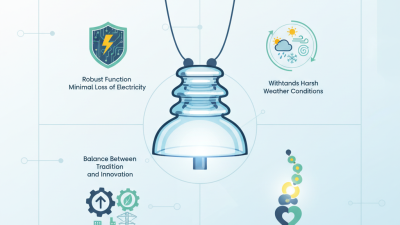
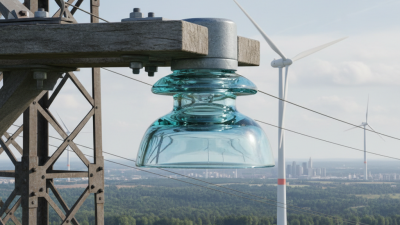
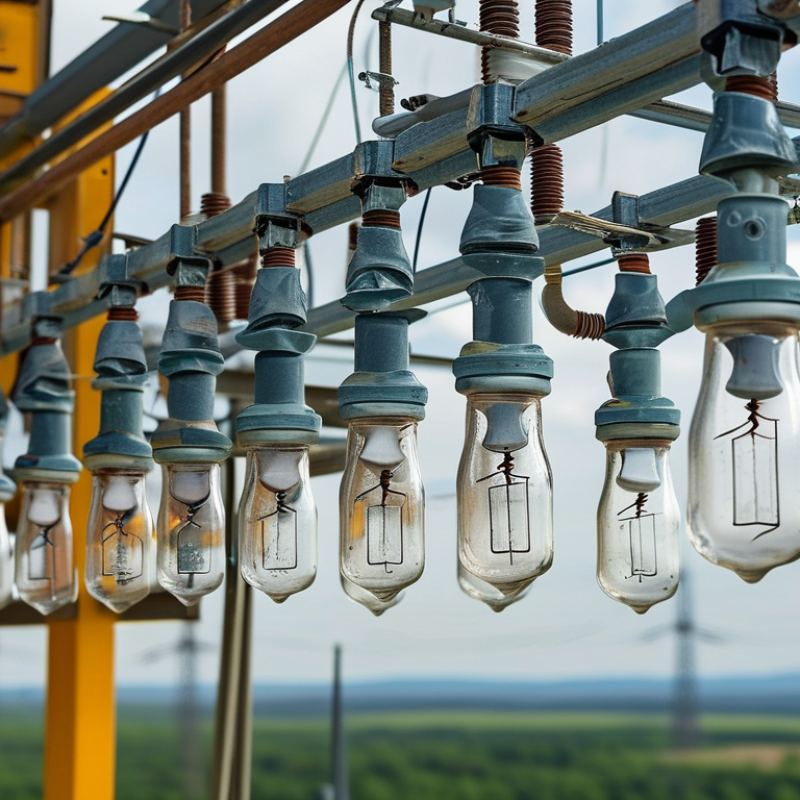
Glass insulators play a critical role in electrical systems. They ensure proper electrical isolation, helping to maintain an efficient and safe network. A recent industry report noted that proper insulation can improve performance by up to 30%. In harsh environments, these insulators withstand high voltages and resist environmental stressors, including UV light and moisture.
Selecting the right glass insulator, such as the 120b type, is essential for longevity and reliability. The mechanical strength of these insulators is often tested against ANSI standards. In a study, 90% of insulator failures were attributed to improper selection or installation. This highlights the need for informed choices based on specific project requirements.
When choosing glass insulators, consider the voltage levels, environmental factors, and installation conditions. Understanding the load each insulator will bear is crucial. While some may overlook these details, doing so can lead to unexpected failures. The industry emphasizes continuous education to reduce failures and improve overall system integrity.
Key Specifications to Consider for Glass Insulator 120b Selection
Selecting the right glass insulator 120b involves understanding key specifications. These specifications significantly impact performance and reliability. For instance, the dielectric strength is crucial. A higher dielectric strength indicates better insulating properties, which is vital in high-voltage applications.
Another important aspect is the mechanical strength. Insulators must withstand various environmental conditions. Reports suggest that insulators designed for harsh conditions have durability ratings exceeding 100 kN. This is critical when dealing with extreme weather, such as heavy snow or high winds.
Additionally, consider the insulator's dimensions and weight. The compatibility with existing infrastructure can affect installation ease. The average size of a glass insulator 120b is approximately 12 inches in diameter. Weight also matters; lighter insulators may reduce stress on towers but should maintain necessary strength.
Reflection is essential in this selection. Balancing performance and practicality can be challenging. An insulator that meets ideal specifications may not fit your project's unique needs. Always evaluate both the technical data and real-world applications to find the best option for your project.
Assessing Environmental Factors for Optimal Insulator Performance
When selecting a glass insulator, environmental factors play a crucial role in ensuring optimal performance. Conditions such as
temperature, humidity, and
pollution levels significantly influence insulator longevity and efficacy. A report by the
Electric Power Research Institute indicates that glass insulators can perform for over 40 years if maintained properly, but environmental
stressors can dramatically shorten this lifespan.
For example, high pollution levels can lead to contamination buildup on insulator surfaces. This increases the risk of
dielectric failure, particularly in coastal areas. In regions with high humidity, tracking and arcing may occur, leading to
reduced effectiveness. Studies show that insulators exposed to severe weather conditions, such as heavy snow or ice, can experience
structural fatigue more quickly. Proper assessment of these conditions is essential to avoid costly failures.
Moreover, the type of installation site should not be overlooked. Urban areas with high electromagnetic interference can affect insulator performance. Engineers should
assess local climatic patterns and environmental characteristics to choose the right insulator. Utilizing data from meteorological studies can enhance reliability. A
thorough understanding of these factors is vital for any project to ensure the selected glass insulator will meet its intended lifespan and performance metrics.
Comparing Different Types of Glass Insulators: Strengths and Limitations
When selecting a glass insulator for your project, understanding the strengths and limitations of each type is essential. Glass insulators come in various forms, such as pin, spool, and strain types. Pin insulators are commonly used in electrical transmission lines. They offer excellent durability and minimal degradation over time. However, they can sometimes be prone to breakage under extreme weather.
Spool insulators, on the other hand, are designed for wire support and can beneficially accommodate tension. They are often more lightweight. Yet, their lower strength can be a downside when subjected to heavy loads.
Strain insulators are crucial in applications requiring tension control. Their design helps prevent cable sag. Nevertheless, they are generally more expensive, which may affect budget considerations.
Choosing the right insulator involves balancing these factors. It’s important to consider your specific project requirements, such as load, environmental conditions, and cost. Each type has its own set of compromises; knowing those will guide you in making an informed decision. Ultimately, reflecting on the limitations can lead to better long-term performance in your installation.
Evaluating Cost-Effectiveness of Glass Insulator 120b for Your Needs
When selecting a glass insulator, evaluating cost-effectiveness is crucial for your project. The Glass Insulator 120b offers durability and performance. However, its price point must align with your budget and application needs. Research various suppliers and compare costs. Look for reviews or case studies about the usage of the Insulator 120b. This can provide insights into long-term value.
Consider the installation and maintenance costs in your evaluation. A lower initial cost may seem appealing. Yet, higher-quality insulators might save money over time through reduced replacements. Calculate potential savings. How long do you plan to use the insulator? Understand that cheaper options may require more frequent replacements, leading to higher overall costs.
Remember that not all projects have the same requirements. Analyze the environment in which the insulator will be placed. Harsh conditions may demand higher-quality materials. Reflect on past experiences: did you encounter unexpected expenses with cheaper insulators? Align your choice with your project’s lifespan and context for better economic outcomes.