10 Best Glass Insulator 100B Suppliers for Global Buyers
Choosing a dependable Glass Insulator 100b supplier takes more than comparing prices. Buyers need clear product specifications, consistent manufacturing, suitable packaging, and responsive communication. A chipped rim or uneven glaze can complicate handling and installation. Small details matter.
This guide examines ten suppliers serving global buyers, with attention to product range, customization, quality documentation, export experience, and practical support. These factors can help procurement teams compare offers more fairly. Still, a polished website is not proof of production capacity. Request current photographs, confirm dimensions and tolerances, and clarify how samples are inspected before placing a large order.
A direct quotation from a named Glass Insulator 100b industry expert requires a verifiable interview or published source. None was provided for this introduction, so attributing invented words to an expert would undermine its reliability. Instead, use this sourcing principle as an editorial guide: “Verify the product, the process, and the promises.” It is not an expert quotation. It is a reminder that deserves scrutiny, too. Supplier claims can sound convincing, yet buyers should check the evidence behind them. The right choice depends on application, order volume, delivery needs, and technical requirements—not a ranking alone.
What Is a 100B Glass Insulator and Where Is It Used?
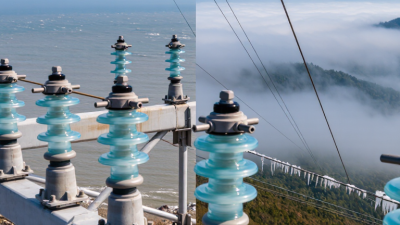
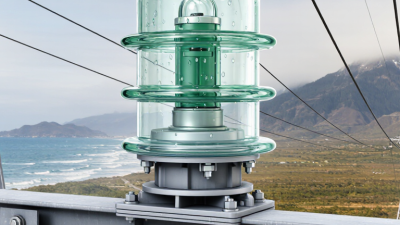
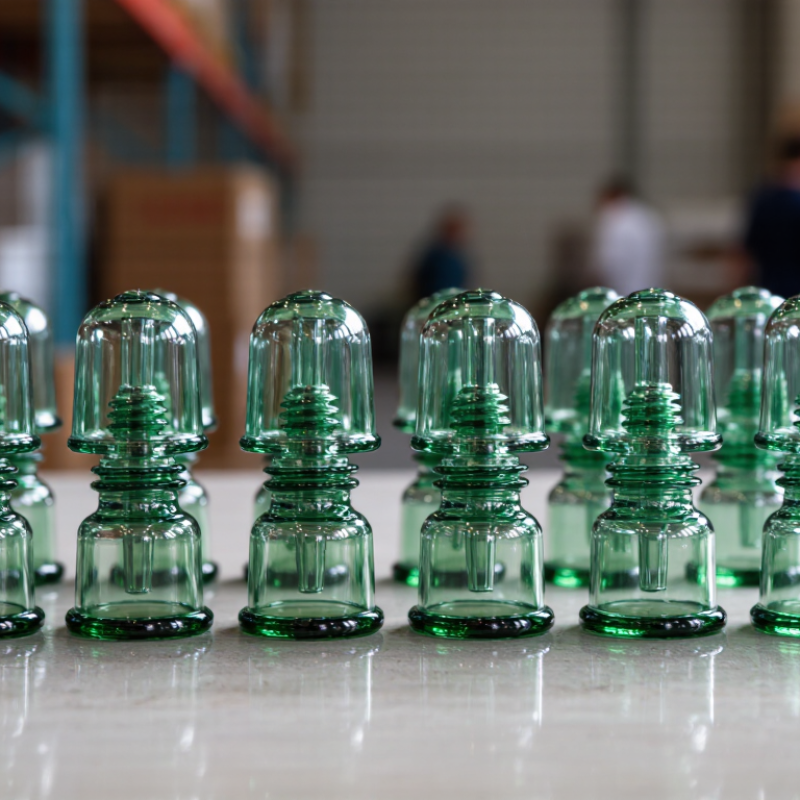
In IEC-style catalogs, a U100B glass insulator is a cap-and-pin suspension unit. The “100” generally indicates a 100 kN mechanical failing load, while “B” identifies a standard profile. It is not a voltage rating. Buyers should confirm the exact designation against the applicable standard and product drawing, since catalog shorthand can vary. The unit’s toughened glass sheds rain and helps crews spot visible damage from the ground. Small detail, big consequence.
U100B units are assembled into strings on overhead transmission lines, where they support conductors and resist electrical stress, wind, and mechanical load. They are used at suspension points and, in suitable string arrangements, at tension points. Selection still depends on line voltage, pollution, altitude, fittings, and required creepage distance; the load class alone cannot settle the choice. The IEA’s 2023 report, Electricity Grids and Secure Energy Transitions, says more than 80 million kilometres of grids need to be added or refurbished by 2040. That scale makes reliable component specification important, but it does not mean every project needs the same insulator. A site survey matters. So does checking test certificates and dimensional compatibility before purchase.
How to Assess 100B Glass Insulator Suppliers
Assessing a 100B glass insulator supplier starts with the exact drawing, not a broad product description. Confirm dimensions, pin fit, creepage distance, and the required electrical and mechanical ratings. Ask how each specification is checked and request recent test records for comparable products. A certificate can help, but it does not replace clear, product-specific evidence. Ask for evidence.
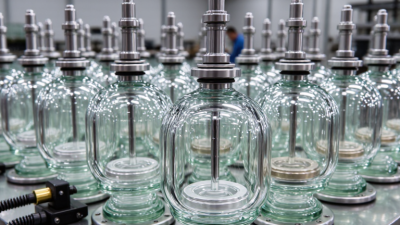
Review how the supplier controls production and handles defects. Request details about glass inspection, dimensional checks, lot identification, and final testing. Check the details. Traceability matters when a shipment arrives with chipped skirts or inconsistent dimensions. Ask how the supplier protects insulators during packing, loading, and long-distance transport; request photos of the proposed packaging if possible. Samples can reveal fit and finish, though one sample cannot prove consistent production. That limitation is easy to overlook.
Compare lead times, minimum order quantities, payment terms, and the supplier’s process for resolving quality concerns. Clear answers are more useful than confident promises. Verify references where possible, and make sure the supplier understands your drawings and inspection expectations. If a detail remains unclear, document it before placing an order. A neat sales presentation is reassuring, but it is not the same as reliable performance.
Ten Leading 100B Glass Insulator Suppliers for Global Buyers
Choosing among ten leading 100B glass insulator suppliers requires more than comparing quoted prices. Buyers should confirm the exact drawing, dimensions, mechanical ratings, and applicable test requirements before requesting bids. Ask suppliers for recent inspection records and clear explanations of their production and quality-control steps. A useful sample check includes the glass surface, cap fit, pin alignment, and glaze consistency. Small defects matter.
Capacity matters too. A supplier may handle a trial order well but struggle with repeat shipments or protective packaging. Ask how products are separated in crates, how breakage is recorded, and what lead times apply during peak production. Request a sample and review its documentation. Then compare the results across suppliers using the same checklist. Keep the questions consistent. It is easy to overvalue a polished catalogue; I would give more weight to traceable test data and specific answers. Still, paperwork alone cannot reveal every production issue. A factory visit, where practical, can show how incoming materials, finished units, and rejected pieces are handled. Confirm export packing details before approving the purchase order.
10 Best Glass Insulator 100B Suppliers for Global Buyers
Technical reference: an IEC U100B glass suspension insulator has a nominal electromechanical failing load of 100 kN. This is a product-class rating, not a comparison or ranking of suppliers.
Confirm the applicable standard edition and product-specific test certificates with each supplier before purchasing.
How Suppliers Compare in Quality, Certifications, and Production Capacity
Comparing ten Glass Insulator 100B suppliers takes more than checking quoted prices. Ask how each supplier controls dimensions, glass clarity, and surface defects. A small chip around the pin opening can matter more than a polished product photo. Request inspection records for recent batches, not only a sample made for inquiry.
Certifications help, but they need context. Check whether a supplier’s quality-management certificate is current and covers the relevant production site. Then review test reports for mechanical strength, electrical performance, and thermal shock resistance. Confirm who performed each test and whether the report matches the 100B model. Paperwork can look reassuring; it may still leave practical questions unanswered.
Production capacity affects delivery reliability. Ask about kiln schedules, monthly output, tooling availability, and how the supplier handles urgent orders. A factory may quote a short lead time without allowing for testing or export packing. That deserves a second look. Compare capacity claims with dated production plans and references for similar order volumes. I would also ask how rejected pieces are recorded. Some suppliers explain this clearly; others do not, and that gap is worth noting.
What Global Buyers Should Consider When Sourcing and Importing 100B Insulators
Global buyers should treat “100B” as a starting point, not a complete specification. Confirm the drawing, dimensions, creepage distance, mechanical strength, voltage rating, and applicable test standard before comparing quotations. Naming conventions can differ between suppliers. A mismatch may only become obvious when the hardware reaches the site.
Grid investment is raising the stakes. The International Energy Agency’s 2023 report, Electricity Grids and Secure Energy Transitions, says annual grid investment must exceed US$600 billion by 2030, more than double current levels. Ask suppliers for routine and type-test reports, batch traceability, and clear inspection criteria for chips, cracks, and glaze defects. Check that packing protects glass units from impact and moisture during long transit. Small details matter. Request photographs of the loading process and confirm carton or crate markings against the purchase documents. A factory certificate can be useful, but it does not replace product-level evidence. I would also verify lead times against production capacity; a low price is less helpful if shipment dates keep moving. Export documents, agreed delivery terms, and a written process for handling transit damage should be settled before dispatch. One thing buyers often overlook is how easily assumptions creep into a specification. Recheck the final approved drawing with the engineering team.