Top 10 Anti Pollution Glass Insulators You Should Know?
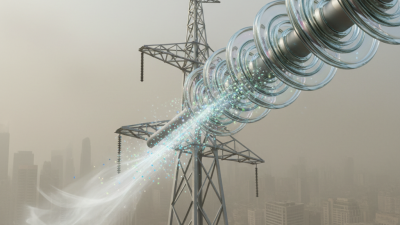
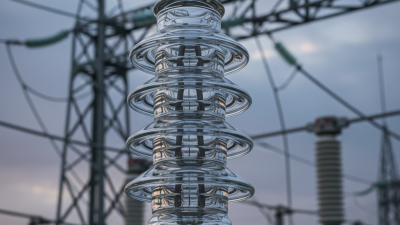
In today’s world, pollution poses a significant threat to both health and the environment. Finding solutions is crucial. One innovative answer lies in Anti-Pollution Glass Insulators. These devices are designed to minimize the impact of pollution on electrical systems and improve their longevity.
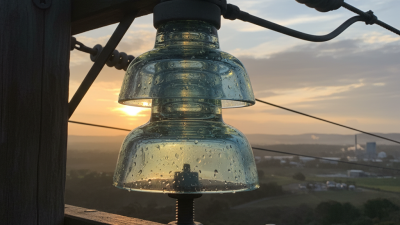
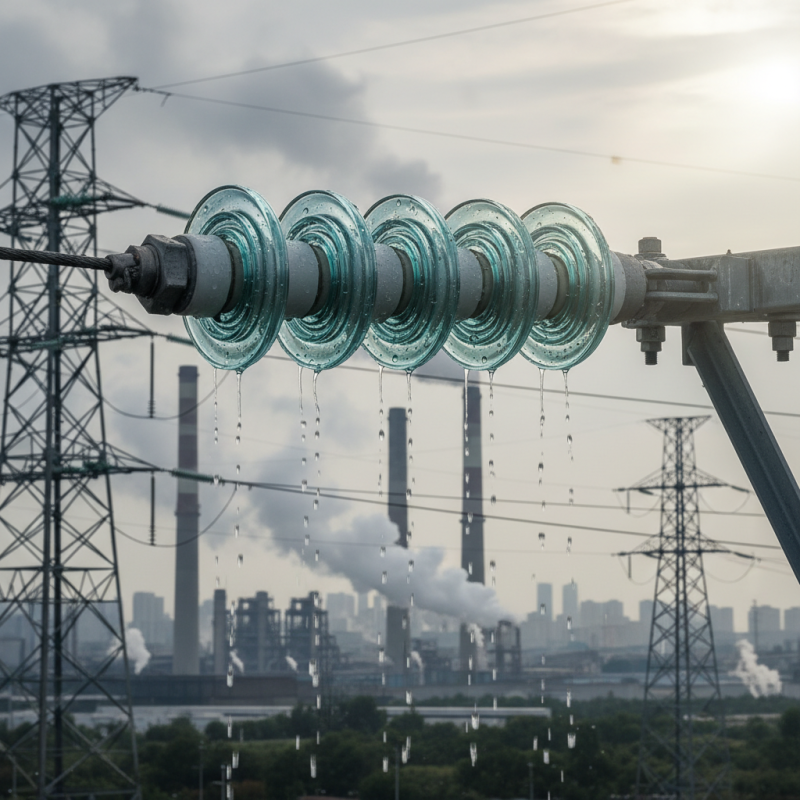
Anti-Pollution Glass Insulators help reduce the accumulation of dirt and pollutants. This not only protects power lines but also supports the continuous supply of electricity. These insulators prove their effectiveness in heavily polluted areas. Their design provides a smoother surface, allowing rain to wash away contaminants effortlessly.
However, choosing the right insulator can be challenging. Not all products are created equal, and some may not perform as expected. Researching various options is essential. Understanding the specific needs of your area will help ensure the best choice. Exploring various manufacturers and their reputations can provide further insights. Ultimately, selecting the right Anti-Pollution Glass Insulator is critical in combating pollution while maintaining electrical infrastructure.
Key Features of Anti-Pollution Glass Insulators
Anti-pollution glass insulators play a crucial role in high-voltage power transmission systems. Their primary function is to safeguard electrical components from environmental pollutants. Key features of these insulators include high hydrophobic properties, superior electrical resistance, and mechanical strength. According to a recent industry report, 80% of insulator failures in polluted environments stem from inadequate design and material choice. Thus, selecting the right insulator is vital.
Hydrophobicity is a significant attribute. It helps repel water and contaminants, maintaining performance under harsh conditions. The best insulators can achieve contact angles exceeding 90 degrees. This characteristic minimizes the risk of flashover incidents. Furthermore, enhanced mechanical strength aids in withstanding extreme weather events, as stated by the International Electrotechnical Commission. Resistance to UV radiation and thermal stress is also essential, ensuring durability over time.
Looking at market growth, demand for anti-pollution insulators has surged by 15% annually. This rise highlights the industry's shift towards more resilient materials. However, not all options meet stringent performance metrics. Some products may not exhibit the required longevity in highly polluted areas. Recognizing these potential gaps is important for making informed decisions. With pollution becoming a greater concern, understanding insulator features is essential for reliability.
Top 10 Anti Pollution Glass Insulators You Should Know
| Insulator Type |
Key Features |
Pollution Level Resistance |
Voltage Rating (kV) |
Weight (kg) |
| Type A |
High hydrophobicity, self-cleaning surfaces |
High |
110 |
2.5 |
| Type B |
Anti-contaminant coating, UV resistant |
Medium |
220 |
3.0 |
| Type C |
Enhanced tracking resistance, thermal stability |
Very high |
400 |
4.5 |
| Type D |
Impact resistance, long service life |
High |
33 |
5.0 |
| Type E |
Surface hydrophobicity and anti-freezing |
Medium |
110 |
2.8 |
| Type F |
Multiple hydrophobic coatings, high transparency |
Very high |
150 |
3.2 |
| Type G |
Low maintenance, corrosion resistant |
Medium |
230 |
3.6 |
| Type H |
High dielectric strength, reduced leakage |
High |
500 |
4.0 |
| Type I |
Tested under harsh conditions, lightweight |
Very high |
360 |
3.4 |
| Type J |
Extra strong with modular design, easy installation |
High |
125 |
2.7 |
Benefits of Using Anti-Pollution Glass Insulators
Anti-pollution glass insulators offer significant advantages in various industries. They provide robust protection against environmental contaminants. This is essential in regions with high levels of air pollution. The coated surface resists grime and smog accumulation. Over time, this reduces the need for frequent cleaning. In turn, this can lower maintenance costs and extend the lifespan of electrical systems.
Using these glass insulators also enhances transmission efficiency. Clean insulators maintain good electrical properties. They help prevent power loss caused by pollution build-up. However, not all options perform equally. Some may show degradation under extreme conditions. Regular inspections can help identify performance issues. Choosing the right insulating materials is crucial for optimal results.
Another benefit is their contribution to public health. Cleaner electrical infrastructure means lower emissions from power sources. This positively impacts air quality for surrounding communities. Yet, it is important to consider the life cycle of these materials. Proper recycling and disposal practices must be observed. This ensures that the environmental benefits are truly realized. The balance between use and sustainability should always be evaluated.
Top Manufacturers and Their Innovative Designs
In the realm of pollution control, glass insulators play a crucial role. Leading manufacturers are now integrating innovative designs that enhance both performance and aesthetics. These designs not only improve functionality but also contribute to a cleaner environment. Advanced materials and techniques are being utilized to optimize resistance to environmental stressors.
When selecting anti-pollution glass insulators, consider the factors that influence their effectiveness. Look for insulators featuring hydrophobic surfaces to minimize dirt accumulation. This keeps them cleaner for longer periods. Additionally, pay attention to the durability of the material. High-quality glass should withstand harsh weather without compromising its performance.
Do not overlook the aesthetic aspect. Many manufacturers focus on creating insulators that blend seamlessly into urban landscapes. They are available in various colors and finishes. This ensures they support not just functionality but also design integrity. Equally important is understanding that not every design is flawless. Regular maintenance is necessary to address potential issues. Hence, being proactive can save you significant costs in the long run.
Top 10 Anti Pollution Glass Insulators
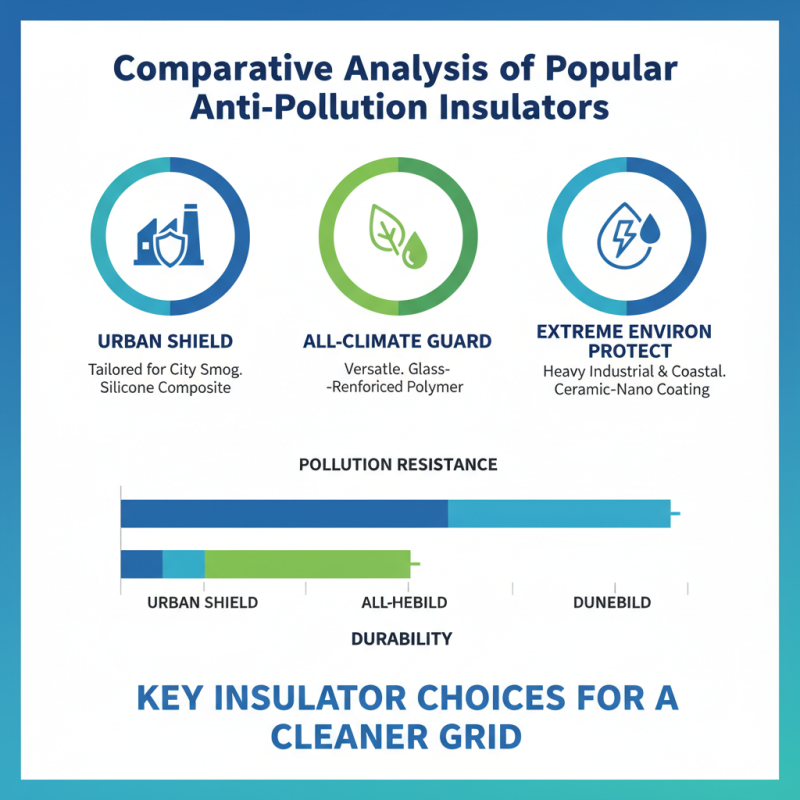
Comparative Analysis of Popular Anti-Pollution Insulators
In the quest for effective anti-pollution glass insulators, various options emerge in the market. These insulators stand out due to their unique properties, which help combat the effects of environmental pollutants. The materials used in their production often vary, leading to different performance levels. Some insulators are designed specifically for urban areas, while others are more versatile in various environments.
A comparative analysis reveals distinct advantages among the popular varieties. One type is coated with hydrophobic materials, which repel water and dirt, thus maintaining clarity. Another variant employs specialized surface textures that enhance self-cleaning abilities. However, these innovations often come with drawbacks; for instance, coating may wear off over time. Additionally, user experiences could differ based on installation quality and climate conditions.
Careful consideration of these aspects is essential for effective application. It is crucial to balance cost and performance, as some high-end insulators might not justify their price. Real-world testing can help discern the best fit for specific needs. Observing feedback from a diverse user base also provides insights into longevity and efficiency. This holistic view enables better decision-making when selecting anti-pollution glass insulators.
Future Trends in Anti-Pollution Glass Insulator Technology
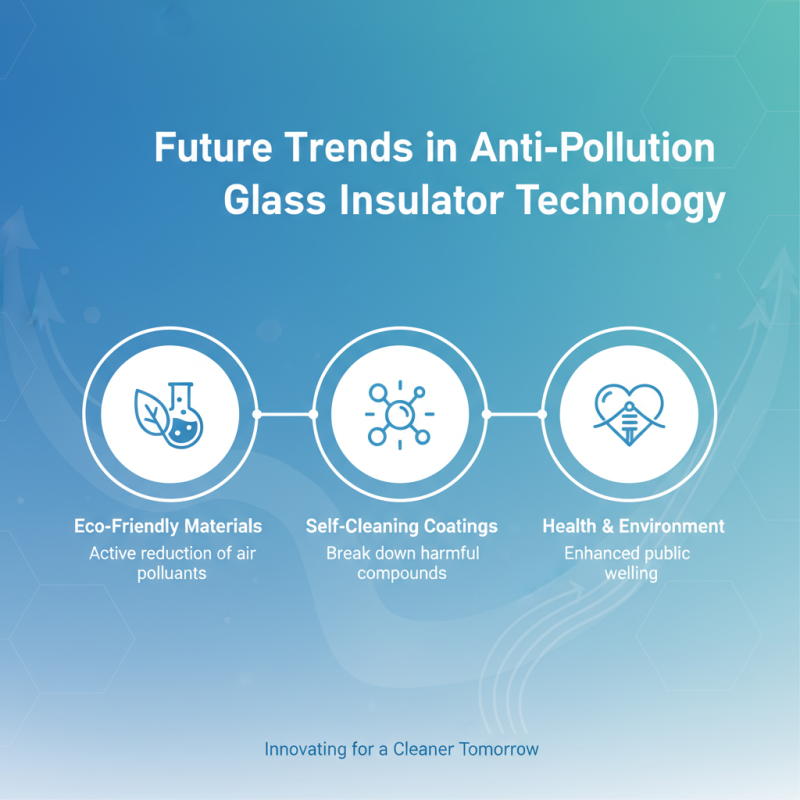
The future of anti-pollution glass insulator technology looks promising. Innovations focus on developing materials that actively reduce air pollutants. Researchers are exploring coatings that can break down harmful compounds. These advancements aim to enhance public health and improve environmental quality.
Furthermore, there is a growing interest in integrating nanotechnology into the design. This could lead to insulators that not only withstand pollution but also actively clean the air. Some prototypes are already showing potential. However, challenges remain, such as cost and long-term durability. These factors will influence their widespread adoption.
The evolution of these insulators may not happen overnight. Continuous testing and improvements are necessary to ensure their effectiveness. Heights of technological achievements often come with significant hurdles. The balance between innovation, affordability, and practicality will shape the future landscape of anti-pollution glass insulators.