Why Choose Double Shed Glass Insulator for Your Projects?
When considering materials for electrical insulation, the choice of insulator significantly affects project success. The **Double Shed Glass Insulator** stands out in the field, acclaimed for its durability and performance. According to the Electric Power Research Institute (EPRI), glass insulators can withstand extreme weather conditions, showing a failure rate as low as 0.01%. Their resistance to contamination makes them reliable in harsh environments.
One key advantage of the Double Shed Glass Insulator is its design. The dual shed configuration allows for enhanced track resistance. This feature is crucial for utilities operating in areas with high pollution. A study highlighted that insulators with improved designs reduce maintenance costs by around 30%. However, it’s essential to consider installation requirements, as specific mounting techniques may be needed.
Though Double Shed Glass Insulators offer numerous benefits, they aren't universally applicable. Factors like installation environment and voltage levels must be assessed. Always weigh advantages against specific project demands. In an industry driven by reliability and efficiency, selecting the right insulator can vastly impact electrical performance.
Benefits of Double Shed Glass Insulators in Electrical Applications
Double shed glass insulators are increasingly favored in electrical applications due to their exceptional performance and reliability. These insulators are designed to withstand high voltage stress, making them suitable for various environments. According to the International Electrotechnical Commission (IEC), double shed designs provide enhanced pollution performance, crucial for areas with high contamination levels. In these regions, failures can lead to significant outages.
The durability of double shed glass insulators is a significant advantage. Reports indicate that these insulators have a long life span, often exceeding 40 years. This longevity reduces maintenance costs and minimizes the need for replacements. Their ability to resist mechanical stress is also well-documented. In extreme weather conditions, double shed glass insulators display superior strength compared to standard options. However, while they are effective, improper installation can lead to failures. It’s essential for projects to consider both the material benefits and the installation practices.
Moreover, the transparency of glass provides a visual inspection advantage for maintenance teams. Identifying wear or damage is straightforward, which is not always the case with other materials. Yet, reliance solely on visual inspections can be misleading; advanced testing techniques should complement them. Data from the American Society of Civil Engineers suggests that thorough inspections correlate with reduced failure rates. Project managers should balance the pros and cons to ensure optimal use of double shed insulators, examining both their technical benefits and installation procedures.
Benefits of Double Shed Glass Insulators in Electrical Applications
The chart above illustrates the various benefits of using double shed glass insulators in electrical applications. Each benefit is rated on a scale from 1 to 10, showcasing their significance in terms of durability, electrical insulation, environmental resistance, cost-effectiveness, maintenance, and weight.
Durability and Longevity of Double Shed Glass Insulators
Double shed glass insulators are gaining popularity in various projects due to their remarkable durability and longevity. These insulators can withstand harsh weather conditions, from intense heat to freezing temperatures. Their robust design ensures a longer lifespan, reducing the need for frequent replacements.
In addition to their durability, double shed glass insulators offer excellent electrical insulation properties. This feature is crucial for preventing electrical failures in overhead lines. When installed properly, these insulators can maintain their effectiveness for decades, making them a cost-effective choice for contractors and engineers alike.
*Tip: Regularly inspect the insulators during maintenance checks. Look for any signs of wear or damage that could affect their performance.*
Another aspect to consider is the environmental impact. Glass insulators are recyclable, contributing to a more sustainable project. While they may be heavier than alternatives, their long-term benefits often outweigh the initial challenges.
*Tip: When transporting glass insulators, handle them carefully to avoid chips or cracks, which could compromise insulation quality.*
Investing in double shed glass insulators ultimately ensures a more reliable and efficient electrical system. Consider these factors when planning your next project.
Why Choose Double Shed Glass Insulator for Your Projects? - Durability and Longevity of Double Shed Glass Insulators
| Dimension |
Value |
| Physical Strength |
High Impact Resistance |
| Material Composition |
Soda-Lime Silicate Glass |
| Average Lifespan |
40-50 Years |
| UV Resistance |
Excellent |
| Electrical Insulation Strength |
Greater than 200 kV |
| Resistant to |
Chemical Corrosion |
| Maintenance |
Low Maintenance Required |
| Environmental Impact |
Recyclable Material |
Comparative Analysis: Double Shed vs. Single Shed Glass Insulators
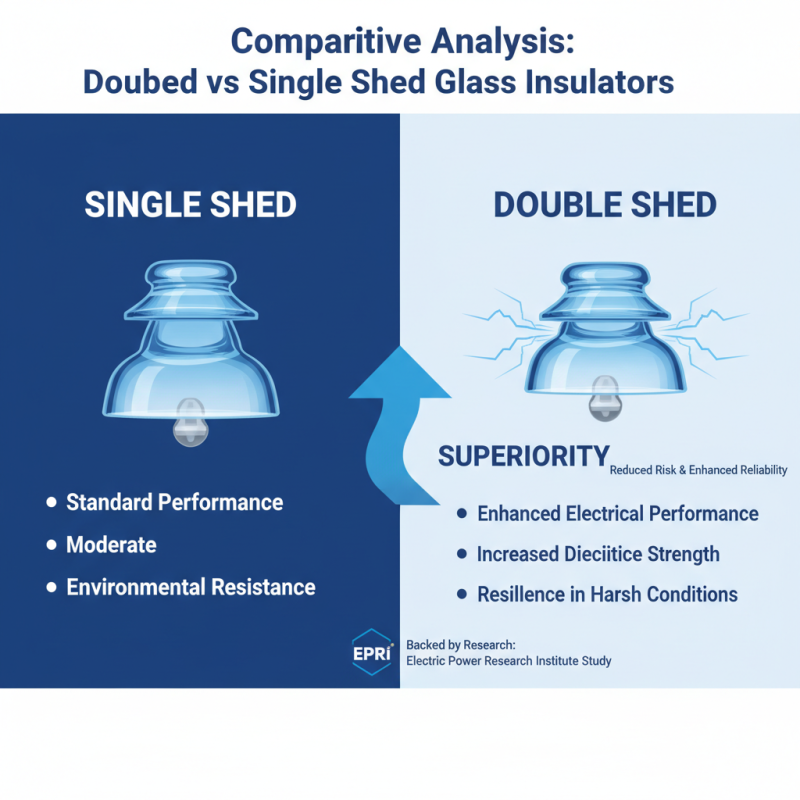
Double Shed Glass Insulators offer significant advantages over their Single Shed counterparts. Research indicates that Double Shed designs provide better electrical performance and increased dielectric strength. In high-voltage applications, this can mean reduced risk of failure. A study by the Electric Power Research Institute highlights that Double Shed insulators can withstand harsher environmental conditions. Their design minimizes the chances of contamination, thereby enhancing reliability.
When considering insulator choices, efficiency is paramount. Double Shed insulators can handle higher flashover voltages, vital for ensuring system integrity. According to the Institute of Electrical and Electronics Engineers, proper insulator selection can decrease maintenance costs by up to 30%. Selecting the right type can ultimately lead to more resilient infrastructure.
*Tip: Always analyze your project's environmental conditions. Factors like pollution and moisture can greatly impact insulator performance.*
Similarly, while Double Shed designs shine in various applications, they can be bulkier. Space constraints in certain installations may limit their usage. Consult industry guidelines to ensure compliance with project specifications. Understanding these nuances can lead to better decision-making.
*Tip: Regularly evaluate the existing insulator performance. This can identify potential upgrades before failures occur.*
Installation and Maintenance Considerations for Double Shed Insulators
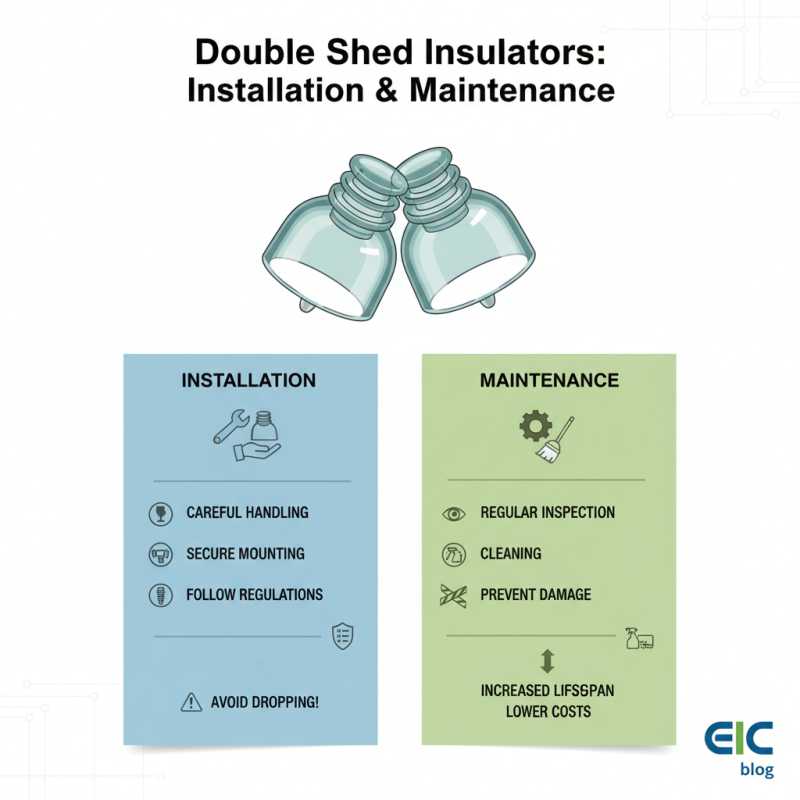
When considering double shed glass insulators, installation and maintenance are critical. The installation process requires careful handling as these insulators are susceptible to damage if dropped. Appropriate fixtures and tools should be used to ensure they are securely mounted. It’s crucial to follow local regulations and guidelines to avoid future issues. Inadequate installation can lead to decreased performance and increased maintenance costs.
Maintaining double shed glass insulators is equally important. Periodic inspections should be performed to identify signs of wear. This includes checking for cracks or chips that may compromise their function. Regular cleaning can prevent dirt accumulation, which can affect insulation performance. However, cleaning must be done gently to avoid scratching the surface.
Sometimes, maintenance can be overlooked, leading to unexpected failures. Insulation failures often occur during extreme weather conditions if the insulators are not properly maintained. Therefore, developing a thorough maintenance plan is essential. Addressing small issues early can save significant time and resources later on.
Cost-Effectiveness of Double Shed Glass Insulators for Long-Term Projects
When managing long-term projects, the choice of materials significantly impacts cost and durability.
Double shed glass insulators emerge as a strong contender for various applications. Their design enables effective insulation, providing a reliable barrier against electrical leakage and environmental factors. This results in lower maintenance costs compared to other insulator types.
Cost-effectiveness is critical in long-term projects. Double shed glass insulators tend to have a longer lifespan than their counterparts. These insulators are resistant to weathering and UV degradation. This durability means fewer replacements and repairs over time. Projects can benefit from lower lifecycle costs due to decreased need for frequent inspections.
Many users report initial hesitations regarding the investment in these insulators. Some may worry about the upfront costs exceeding budget projections. However, when considering the reduced maintenance requirements and longevity, the value becomes clear. While not the cheapest option initially, double shed glass insulators often prove to be the more economical choice in the long run.