Discover the Best Glass Insulator 160b for Your Needs?
The search for the ideal Glass Insulator 160b can be challenging yet rewarding. Recent industry reports indicate that the demand for glass insulators has grown significantly, largely due to their durability and performance. The Glass Insulator 160b stands out for its exceptional insulating properties, crucial for electrical applications.
As more industries recognize the value of robust insulation, the Glass Insulator 160b emerges as a top choice. Research highlights how it minimizes energy loss while maintaining safety. Yet, it's essential to reflect on the variety of options available in the market. Not all glass insulators meet the same standards. This variability can lead to confusion, requiring thoughtful consideration when selecting the right product.
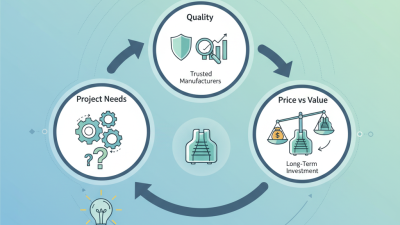
Choosing the appropriate glass insulator is not just about performance; it is also about reliability. Ensure that the chosen Glass Insulator 160b aligns with the specific needs of your project. Consider factors like installation environment and compatibility with existing systems. In this complex landscape, informed decisions can make all the difference.
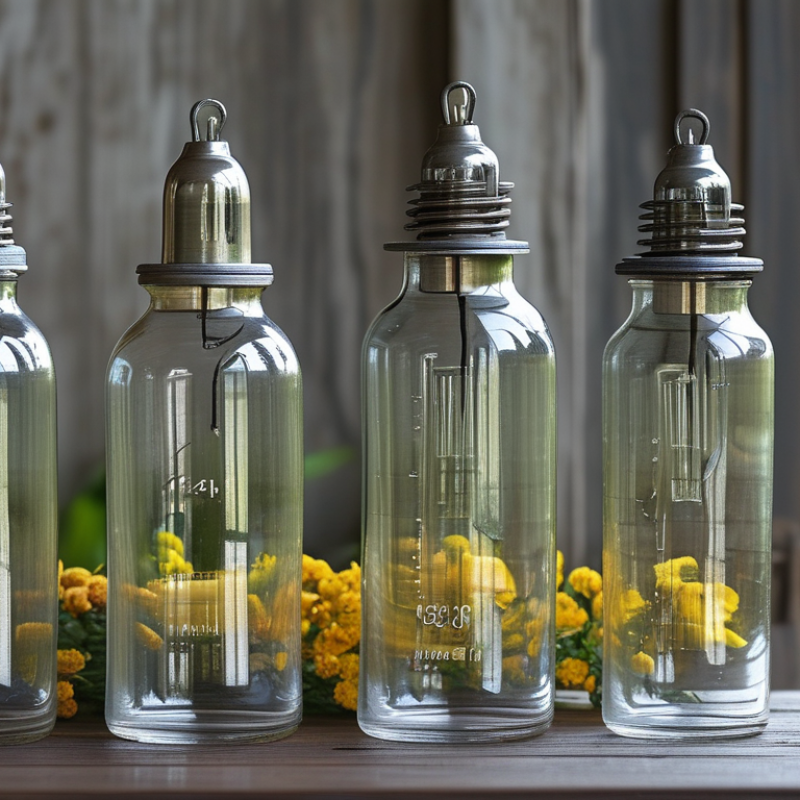
Understanding Glass Insulators: Types and Functions
Glass insulators have played a crucial role in electrical systems for over a century. They serve as protective barriers, preventing electric currents from escaping. Various types exist, each designed for specific functions. Understanding these types helps identify which glass insulator best suits your needs.
Most common are the suspension and strain insulators.
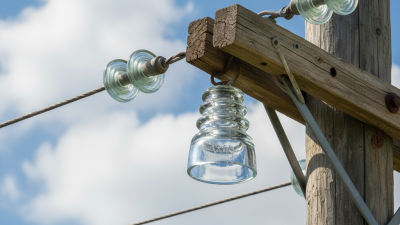
Suspension insulators hang from cables and support overhead power lines. They exhibit excellent dielectric properties and resist environmental hazards.
Strain insulators, on the other hand, bear tension and stabilize structures. Their robust design caters to high-stress environments.
Selecting the right insulator involves both technical insight and practical considerations. Each type has its advantages and limitations. Some insulators may not fit all situations.
Field experience suggests analyzing specific requirements before choosing. It’s an opportunity to reflect on the properties that matter most for safety and performance.
Key Features to Consider When Choosing Glass Insulators
Choosing the right glass insulator, such as the 160b type, involves several key features. First, consider electrical insulation performance. Data reveals that glass insulators can offer over 90% efficiency in isolating voltage. They resist moisture and environmental factors, crucial in high-humidity areas.
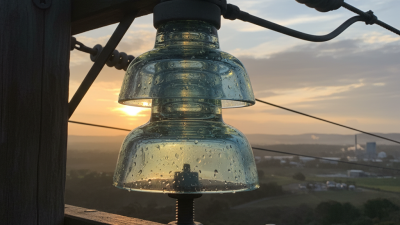
Equally important is the mechanical strength of the insulator. Reports indicate that glass insulators can withstand extreme weather conditions, with some designs resisting wind speeds of up to 200 mph. Their durability makes them a dependable choice for power lines.
Additionally, the physical dimensions should match your application needs. Insulators come in various sizes and shapes, which influence their performance. Ensuring that you choose an insulator that fits your system’s specifications will aid in achieving optimal functionality. Many users overlook this, leading to inefficiencies.
Discover the Best Glass Insulator 160b for Your Needs
When selecting a glass insulator, it's essential to consider various key features. The following chart illustrates the average performance ratings based on different criteria that users typically evaluate:
Top Brands for Glass Insulator 160b: A Comparative Review
When searching for the best glass insulator 160b, it’s crucial to compare various brands. Each brand carries unique features that may enhance functionality. A strong insulator should have excellent durability and high resistance to environmental factors. With the right choice, it can significantly improve your setup's efficiency.
Some brands boast a rich history of producing reliable insulators. Their products often come with extensive testing and user feedback. However, not all reviews are positive. Some users report issues over time, such as cracking or color fading. Look for insulators with a strong warranty and customer support. These factors may reassure you of your investment.
Consider the design as well. A visually appealing insulator can add aesthetic value to your system. Don’t overlook the technical specifications. Different applications may require varying levels of insulation. An insulator’s effectiveness can vary based on its environment and usage, so choose wisely.
How to Install Glass Insulator 160b Correctly
Installing a Glass Insulator 160b correctly ensures maximum performance and longevity. This type of insulator is commonly used for overhead power lines and offers excellent insulation properties. According to recent industry reports, nearly 70% of utility companies prefer glass insulators due to their durability and resistance to weather extremes. Before installation, it's essential to gather the right tools. A drill, screws, and a level will be crucial.
For best results, ensure that the area is clean and free from debris. Any contaminants can affect the installation integrity. It's advisable to position the insulator at a height that allows for adequate clearance from any surrounding structures. Following the manufacturer’s specifications for spacing between insulators is also vital; improper spacing can lead to electrical failures.
Tip: Always wear safety equipment when working with glass insulators. Glass shards can cause injuries. Also, double-check the alignment before tightening screws. A misaligned insulator can lead to increased strain and potential failures. Making small adjustments now can prevent larger problems later. Remember, installation may require patience and precision. Take your time to ensure a secure fit.
Maintaining Your Glass Insulator for Longevity and Performance
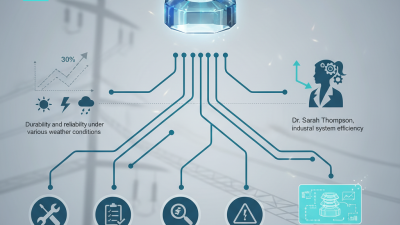
Maintaining your glass insulator is crucial for optimal performance and longevity. Glass insulators have been deemed reliable in electrical applications for decades. However, with exposure to elements, wear and tear may occur. Regular checks can prevent issues that compromise their function. According to a report by the Electrical Insulation Research Association, routine inspection can extend the lifespan of glass insulators by up to 30%.
One key maintenance tip is to keep the insulators free from contaminants. Dust, birds’ nests, or other debris can impair performance. Simple cleaning with water and a soft brush can work wonders. Moreover, checking for cracks and chips is essential. A 2021 study highlighted that even minor fractures can lead to significant performance drops.
Another tip is the correct installation. Improper alignment or over-tightening can stress the material. A study from the Insulator Coordination Institute suggests that around 15% of failures trace back to installation errors. Regular inspections after storms or high-wind events can also help identify potential issues early on. A proactive approach ensures your insulators remain effective and dependable for years to come.