Top 10 Tips for Sourcing Glass Insulator 160b Globally?
Sourcing Glass Insulator 160b globally can be a complex task filled with challenges. This critical component plays a vital role in electrical infrastructure, ensuring safety and efficiency. Understanding the intricacies of global sourcing is essential for businesses involved in this industry.
Market research is paramount. Identifying reliable suppliers requires diligent assessment of their manufacturing capabilities and quality control measures. Each supplier may have different standards, which could impact your final product. Networking at industry events can also yield valuable connections.
Keep in mind the importance of logistics. Shipping Glass Insulator 160b across international borders involves various regulations and potential delays. A contingency plan is essential. In this landscape, having a flexible strategy can set you apart from competitors. Engaging with experts in the field can provide insights into market trends and buyer behavior. Adapting your approach based on feedback will enhance your sourcing efforts.

Understanding the Types of Glass Insulators Available Worldwide
When sourcing glass insulators globally, understanding the various types available is crucial. Glass insulators fall into several categories. The primary types include suspension insulators, pin insulators, and strain insulators. Each type serves a different purpose in power distribution and transmission.
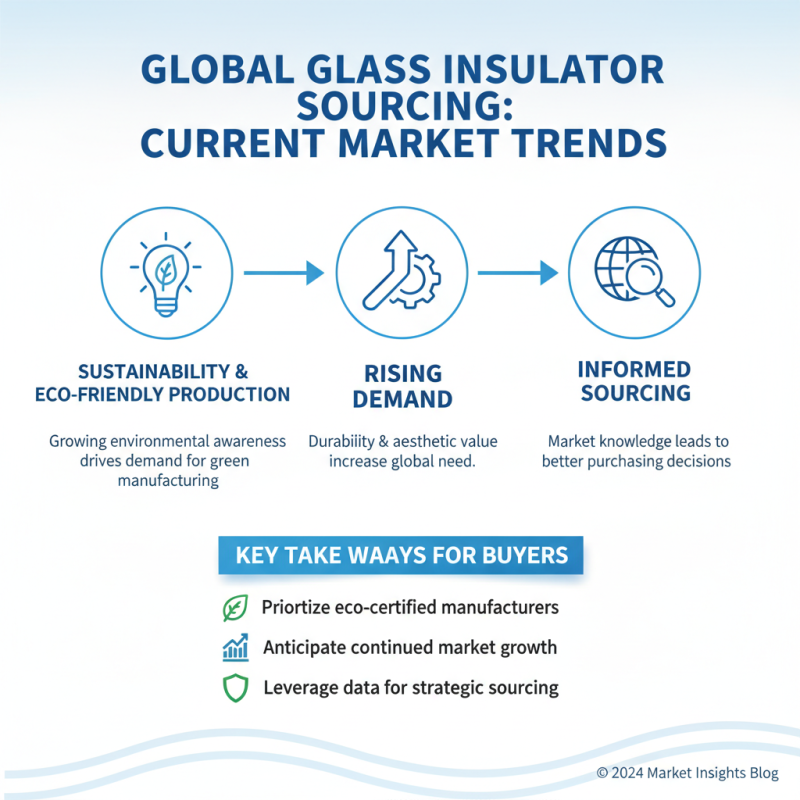
Recent industry reports indicate that the global glass insulator market is projected to grow steadily. In 2022, it was valued at approximately $1.3 billion, with a compound annual growth rate (CAGR) of around 5.6% anticipated through 2030. This growth demonstrates a rising demand for durable and reliable insulators. Many manufacturers prioritize quality in their production processes, which impacts overall performance and longevity.
Sourcing requires a keen eye for detail. Importers must evaluate the specifications of different types, including voltage ratings and physical dimensions. There can be inconsistencies across manufacturers. These nuances can significantly affect the desired applications. Regular assessments and audits can help mitigate sourcing risks. Engaging with industry experts can provide insights into best sourcing practices and emergent market trends.
Identifying Reliable Suppliers and Manufacturers for Glass Insulators
Sourcing glass insulators, particularly the 160b type, demands a keen eye for quality and reliability. Identifying trustworthy suppliers can significantly impact your production process. According to a recent industry report, over 70% of buyers emphasize the importance of supplier reliability in ensuring product durability. Therefore, vetting suppliers is crucial.
Start by researching manufacturers with a proven track record in glass production. Look for companies with certifications such as ISO 9001, which ensures that they maintain quality management systems. Check for customer reviews and testimonials. A supplier with consistent positive feedback is more likely to meet your standards. However, it is also essential to address any recurring complaints outlined by previous clients.
Establishing communication with potential suppliers is vital. Ask for detailed specifications and product samples. As highlighted in industry studies, around 60% of sourcing failures arise from miscommunication regarding product features. Consistent clarity in discussions can prevent misunderstandings. Transparency about lead times and potential delays also helps forge stronger relationships. Remember, a reliable supplier is not just about access to product; it’s about forming a partnership that fosters growth.
Evaluating Quality Standards and Certifications for Glass Products
When sourcing glass insulators globally, the need for quality standards cannot be overstated. Glass products must meet rigorous certifications to ensure safety and durability. Look for ISO certifications, which indicate adherence to international quality benchmarks. Some regions require additional safety standards. These can vary, and checking local regulations is crucial.
Knowing the certifications is one aspect, but assessing the manufacturing practices is equally important. It's vital to examine the production process. This often ensures that the glass insulators are made from quality raw materials. Understanding the production environment can reveal potential flaws. If an insulator is poorly made, it might not perform as expected.
Supplier audits can be helpful, though they can be challenging. Not all manufacturers allow third-party inspections. Some may provide documentation that appears sound but lacks transparency. Building strong relationships with reliable suppliers can mitigate this risk. Regular communication is key in these partnerships. It allows for better understanding and establishes trust in the quality of the products sourced.
Negotiating Best Prices and Terms for Global Procurement of Insulators
When negotiating prices for sourcing glass insulators globally, it's crucial to understand the market dynamics. Recent industry reports highlight that over 70% of procurement contracts fail due to inadequate negotiation strategies. To prevent this, buyers should enter discussions armed with data. Knowing the average price trends can empower negotiators. Reports indicate that prices for glass insulators can vary significantly between regions, with price fluctuations of up to 20% depending on availability.
Establishing strong relationships with suppliers is essential. A study by industry experts found that 60% of successful negotiations stem from trusting partnerships. Buyers should not only focus on price but also on terms and conditions that support long-term cooperation. One effective approach is to outline clear expectations upfront. This helps in minimizing misunderstandings and delays.
Moreover, consider using technology to streamline procurement processes. Digital platforms can enhance transparency in pricing and credibility of suppliers. However, it is important to remain cautious. Over-reliance on technology might lead to missed opportunities for direct engagement with suppliers. Balancing digital tools with personal relationships often yields the best outcomes. Remember, successful negotiation is not just about getting the lowest price. It is about creating sustainable agreements that benefit both parties.