What is an Isolator High Voltage and its Applications?
In the realm of electrical engineering, understanding the "Isolator High Voltage" is essential. This device plays a critical role in maintaining safety in high-voltage systems. Renowned expert Dr. Emily Mercer states, "High voltage isolators are vital for ensuring that electrical systems operate without risk." Her experience in energy systems highlights the importance of isolators.
Isolator High Voltage devices prevent accidental electricity flow during maintenance. They provide a physical separation in high-voltage power lines. This design ensures that workers can safely perform their tasks without the fear of electric shock. The reliability of these devices is crucial in power plants and substations.
However, the industry faces challenges. Not all isolators perform consistently under harsh conditions. Regular testing and maintenance are necessary to ensure optimal performance. This reality emphasizes the need for improvement and innovation in isolator technology. The quest for better materials and designs continues.

What is an Isolator High Voltage?
An isolator high voltage is a crucial component in electrical systems. It is designed to isolate parts of the circuit to ensure safety and reliability. This device allows for maintenance and repairs without cutting off power to the entire system. It provides a gap in the circuit, preventing energy flow when necessary. Isolators often work alongside circuit breakers and switches to enhance overall safety.
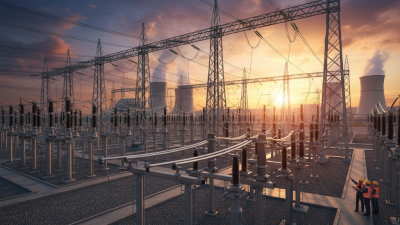
One application of isolator high voltage is in substations. They help isolate different sections of power lines, protecting equipment from faults. In industrial settings, isolators ensure safety during machinery maintenance. They are vital for protecting personnel and equipment from electrical hazards. Additionally, isolators play a critical role in renewable energy systems, such as solar and wind power.
Tips: Regularly inspect isolators for wear and tear. This helps in maintaining their functionality. Always follow safety protocols when working around high voltage systems. Knowledge of isolator operation is key to preventing accidents. Remember, isolation does not mean complete safety; be cautious at all times. Proper training on isolator handling is essential for electrical workers.
What is an Isolator High Voltage and its Applications?
| Dimension |
Description |
| Voltage Rating |
Up to 765 kV |
| Insulation Type |
Gas-insulated or air-insulated |
| Application Areas |
Power substations, industrial plants |
| Key Function |
Isolation and protection of high voltage systems |
| Safety Features |
Over-current protection, short-circuit protection |
| Material Used |
Porcelain, polymer, or composite materials |
| Maintenance Requirements |
Periodic inspection and cleaning |
| Environmental Considerations |
Designed for various climates, from cold to tropical |
Key Components of High Voltage Isolators
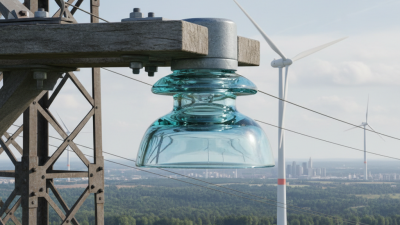
High voltage isolators play a critical role in various applications, ensuring the safety and efficiency of electrical systems. Key components of these isolators include insulators, switching mechanisms, and protective gear. Insulators are vital, as they must withstand extreme voltage levels. According to industry reports, insulators can handle voltages up to 1,000 KV in specialized settings. The selection of materials for these components directly affects performance and longevity.
Another essential part is the switching mechanism, which allows control over the electrical flow. Reliable mechanisms prevent surges that can cause equipment damage. Reports indicate that poorly designed switches can lead to failures, resulting in significant operational downtime. Some studies estimate that such failures cost industries billions annually. The interplay between insulators and switches is often overlooked, yet critical for maintaining system integrity.
Protective gear is equally indispensable. It shields both equipment and personnel from hazards. High voltage isolators typically include fuses or circuit breakers for added security. However, there is room for improvement in design and reliability. Many users report inconsistencies in performance under varying conditions. This area requires further investigation to enhance safety and effectiveness across different environments.
Working Principles of High Voltage Isolators
High voltage isolators play a critical role in electrical systems. They are designed to isolate circuits and protect equipment from excessive voltage. The working principle revolves around the interruption of electrical flow, allowing maintenance or inspection without risking exposure to dangerous voltages. This isolation is achieved through air gaps or solid insulators that withstand high voltage without conducting electricity.
In essence, the isolator acts as a barrier. When the isolator opens, it cuts off electrical flow. This mechanism is vital in substations and other power facilities. It ensures that maintenance personnel can work safely. The isolators can handle voltages ranging from several kilovolts to hundreds of kilovolts. Their design must account for environmental factors, such as humidity and pollution, which can impact their effectiveness over time.
However, the isolation process isn't without challenges. Over time, insulator materials can degrade, impacting their durability. Insulation breakdown can lead to catastrophic failures. Regular inspections and testing are necessary to maintain reliability. Although isolators are generally reliable, unexpected failures can occur. This highlights the importance of ongoing maintenance in high voltage applications.
High Voltage Isolators: Applications and Performance
Common Applications of High Voltage Isolators
High voltage isolators play a crucial role in various industries. They are essential for handling high voltages safely. These devices help in protecting sensitive equipment and ensuring the safe operation of electrical systems. According to the International Electrotechnical Commission, high voltage is typically defined as any voltage above 1000 volts. This definition encompasses a wide range of applications in power generation, transmission, and industrial processes.
In power generation, high voltage isolators are commonly used in substations and transformers. They help to isolate components during maintenance. This isolation minimizes risks and enhances safety. A report from the Institute of Electrical and Electronics Engineers found that approximately 30% of industrial electrical accidents occur due to inadequate isolation. Therefore, the reliability of these isolators is paramount.
Additionally, high voltage isolators find their application in renewable energy sectors, such as solar and wind energy. These isolators can manage varying loads while ensuring stable electrical outputs. However, the challenge lies in integrating new technologies while maintaining reliability. There is room for improvement in their design to adapt to rapid technological advances and changing energy demands. Regular assessments are essential to enhance their performance and reliability in evolving environments.
Safety and Maintenance Considerations for Isolators
Isolators are critical components in high voltage applications, ensuring safe operation and maintenance in electrical systems. Safety is paramount when dealing with high voltage isolators. According to the National Fire Protection Association (NFPA), electrical failures account for approximately 6% of all fires. Proper installation and regular inspections can significantly reduce risks.
Routine maintenance is essential. Visual inspections should include checking for signs of wear and corrosion. Isolators should be tested annually to ensure operational integrity. The IEEE standards recommend that isolators be rated for their specific application environment and regularly reviewed against industry performance benchmarks.
Training personnel in safety practices cannot be overemphasized. An alarming 80% of worker injuries in electrical environments stem from human error. Therefore, implementing strict safety protocols and reinforcing them through training sessions can help prevent accidents. Understanding the limitations and potential failures of isolators is vital for maintaining a safe work environment. Regularly updating safety procedures based on the latest industry research is also necessary for continuous improvement.