2026 How to Choose the Best Glass Insulator 100b for Your Needs?
Choosing the right Glass Insulator 100b is crucial for optimal performance in various applications. With numerous options available, it can be overwhelming to ensure you select one that meets your needs. The right insulator should not only provide durability but also match the specifications required for your project.
Different manufacturers produce Glass Insulator 100b with varying features. Some may excel in electrical strength, while others focus on temperature resistance. Understanding these characteristics can help you make an informed decision. It's vital to reflect on specific criteria that matter most for your situation.
Quality and reliability are key factors when investing in Glass Insulator 100b. Reviews and expert opinions are helpful in this regard. However, even reputable brands can have limitations. Take the time to analyze each option carefully. The right choice can enhance system efficiency and ensure long-term success in your projects.
Factors to Consider When Selecting a Glass Insulator 100b
Choosing the right glass insulator 100b involves several critical factors. Start with voltage rating. Ensure the insulator can handle the voltage levels in your project. It's crucial to avoid underestimating this. Insulators rated below required levels may fail under pressure.
Next, consider the environmental conditions. If exposure to extreme weather is likely, opt for durable materials. Glass insulators should withstand high winds, rain, or ice accumulation. This choice affects longevity and reliability. Don’t forget to evaluate the installation location. Some areas may require different insulator designs for optimal performance, adding complexity to your decision.
Look at the size and weight, too. Larger insulators may provide better stability, yet they can be cumbersome to handle. It’s essential to balance functionality with ease of installation. What seems ideal at first glance might not fit all scenarios. Reflecting on your specific needs will guide you to the best choice. Don't rush this process; time spent researching pays off.
Factors to Consider When Selecting a Glass Insulator 100b
This chart illustrates the factors to consider when selecting a Glass Insulator 100b. Each factor is rated in terms of importance on a scale of 1 to 10, helping you make an informed decision based on your specific needs.
Understanding Different Types of Glass Insulators Available
When selecting a glass insulator, understanding the various types available can be crucial. Glass insulators come in different shapes and sizes. Common types include pin-type, spool-type, and strain-type insulators.
Pin-type insulators are often used in overhead power lines. They are designed for easy mounting on wooden or metal poles. Their reliable performance makes them a popular choice.
Spool-type insulators feature a unique design that allows them to handle higher loads. They are typically used where lines change direction. Their strength is essential in preventing sagging. Meanwhile, strain-type insulators provide support for long spans of wire. Their durable construction ensures they can withstand various weather conditions.
Choosing the right insulator requires more than just preferences. It’s essential to assess the specific needs of your project. Consider factors like environmental conditions and mechanical loads. Not everyone requires the highest grade insulator. Sometimes, a standard option suffices, but errors in judgment can lead to performance issues. Always keep your specific situation in mind when making a decision; reflect on the potential impacts of your choice.
Key Specifications and Features of Glass Insulators to Evaluate
When selecting the best glass insulator, key specifications are essential.
Start with voltage rating. Higher ratings indicate better performance in electrical applications.
Understand your requirements. Are you using it for transmission or distribution lines? Each serves a unique purpose.
Material quality matters. Look for durable glass types. High-quality glass resists weather effects and electrical stress.
Also, consider the insulator’s design. Some shapes offer more surface area for better performance against pollutants.
Intrusive dirt and debris can lead to failures.
A design that minimizes this will enhance longevity.
Finally, inspect the manufacturing standards.
Seek insulators made under stringent guidelines. Certifications can reveal reliability.
Remember, not every insulator fits every need.
Consider what you value most. Is it durability or cost-effectiveness?
Reflect on these factors before making your choice.
Common Applications for Glass Insulators and Their Importance
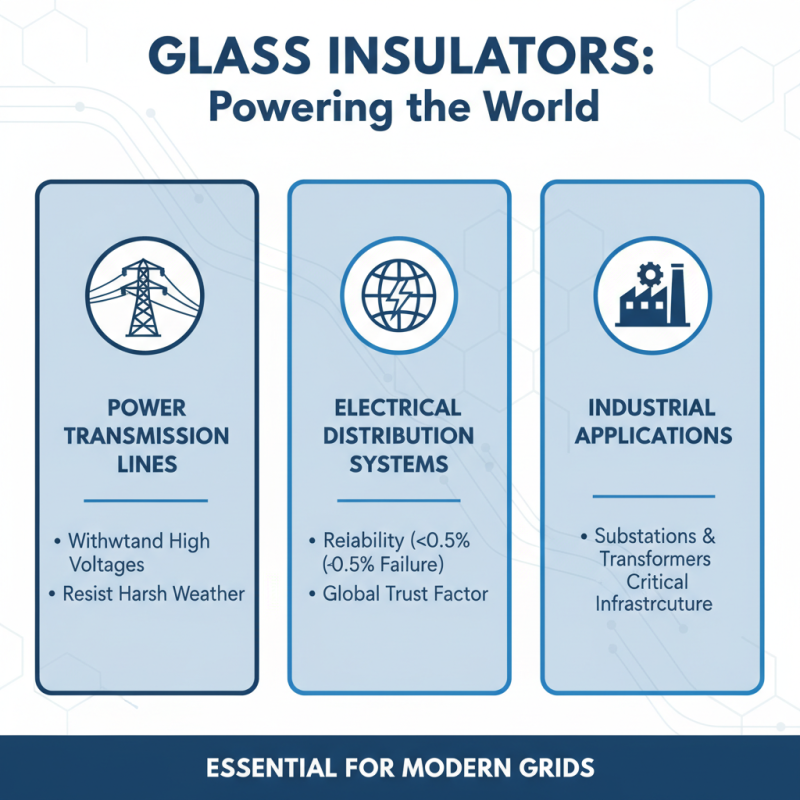
Glass insulators are crucial in various applications, serving as vital components in electrical distribution systems. Their ability to withstand high voltages and harsh environmental conditions makes them indispensable in power transmission lines. According to a report by the International Electrotechnical Commission, glass insulators have a failure rate of less than 0.5% in high-voltage applications, showcasing their reliability. This durability is not just a statistic; it establishes a trust factor in electrical grids worldwide.
Common applications include overhead power lines, telecommunications, and railways. In overhead power transmission, glass insulators prevent electrical leakage while ensuring the safety of surrounding infrastructures. Their solid performance in diverse weather conditions highlights their importance. Despite their advantages, not all glass insulators are created equal. Factors such as design, temperature tolerance, and mechanical strength should be considered to meet specific requirements.
The glass insulator industry is continuously evolving. Technological advancements aim for more efficient products. However, the market faces challenges like material sourcing and environmental impacts. Stakeholders must reflect on these aspects while opting for glass insulators, balancing performance and sustainability. Ignoring these factors could lead to costly repercussions.
Tips for Maintenance and Care of Glass Insulators 100b
Maintaining glass insulators, particularly the 100b series, is crucial for longevity and performance. These insulators are often exposed to harsh weather and pollution. Regular inspections can help identify stress, cracks, or discoloration. A report from the Electrical Insulation Conference indicates that 65% of failures in glass insulators are due to inadequate maintenance.
Cleaning insulators is essential. Use a soft cloth with warm soapy water to remove contaminants. Avoid abrasive materials, as they can cause scratches. It's recommended to inspect insulators every six months, especially in urban areas with high pollution levels.
Keep in mind temperature fluctuations. Sudden changes can lead to thermal stress, causing cracking. Additionally, proper installation plays a significant role. Inadequate support can lead to premature failure. For best practices, refer to industry guidelines. They offer valuable insights into both installation and maintenance schedules.
2026 How to Choose the Best Glass Insulator 100b for Your Needs?
| Feature |
Description |
Maintenance Tips |
| Material Quality |
High-quality glass ensures durability and better insulation performance. |
Inspect regularly for cracks or chips and replace damaged insulators. |
| Design Type |
Choose between pin type, strain type, or suspension type based on your application. |
Ensure proper installation to match the design, avoiding undue stress on the insulator. |
| Color |
Common colors include clear, green, blue, and amber; they can indicate age and type. |
Clean with mild soap and water to maintain appearance and prevent surface degradation. |
| Electrical Rating |
Select a glass insulator rated for the voltage in your system. |
Regularly test electrical integrity to ensure safe operation. |
| Weather Resistance |
Check for UV and moisture resistance to withstand environmental conditions. |
Inspect for discoloration or degradation due to weather and replace as needed. |