What is Glass Insulator 160b and Why It Matters for Your Electrical Needs
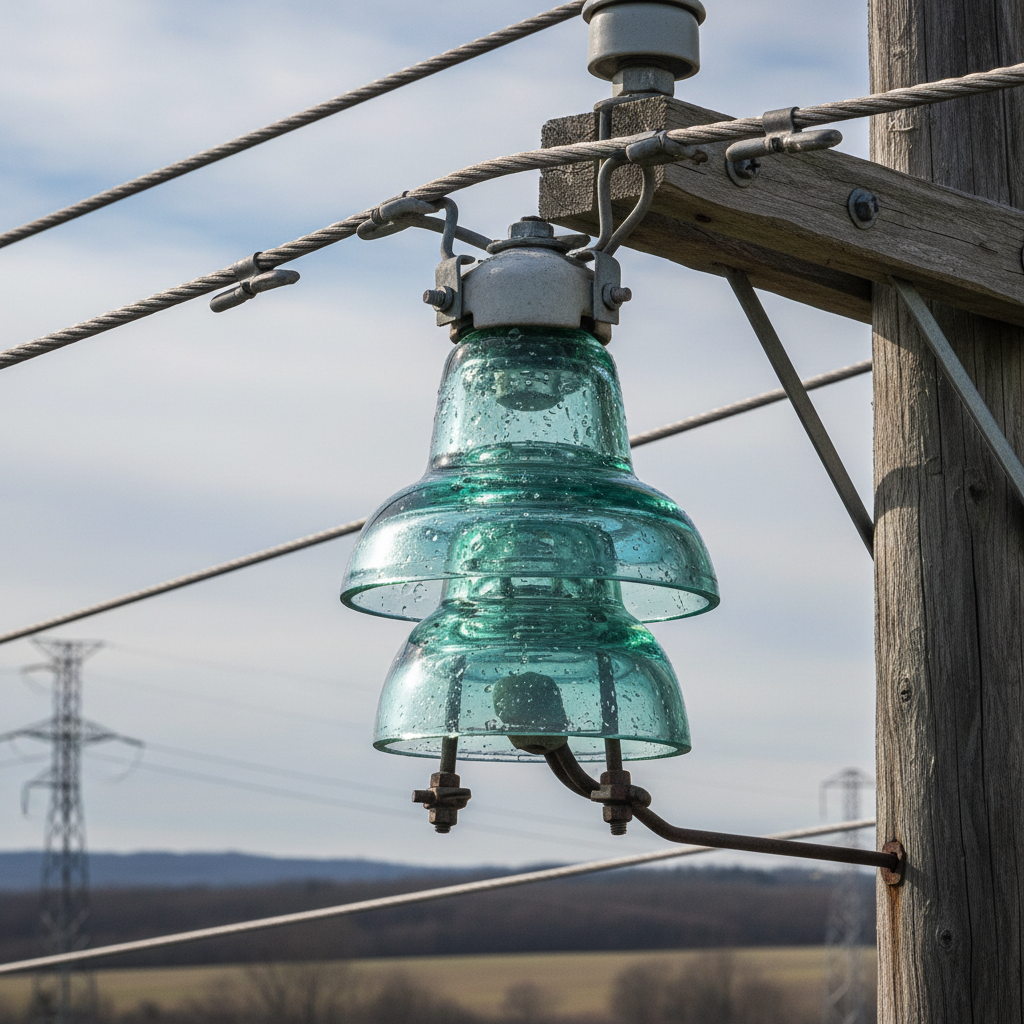
In an increasingly electrified world, ensuring the reliability and safety of electrical infrastructure is paramount. One critical component in this domain is the Glass Insulator 160b, a product designed to meet the rigorous demands of modern electrical systems. This particular insulator stands out due to its unique design and superior performance characteristics, making it an essential choice for utility companies and electrical engineers alike. The Glass Insulator 160b is known for its excellent durability, weather resistance, and high dielectric strength, which are crucial for maintaining the integrity of power lines and reducing the risk of outages.
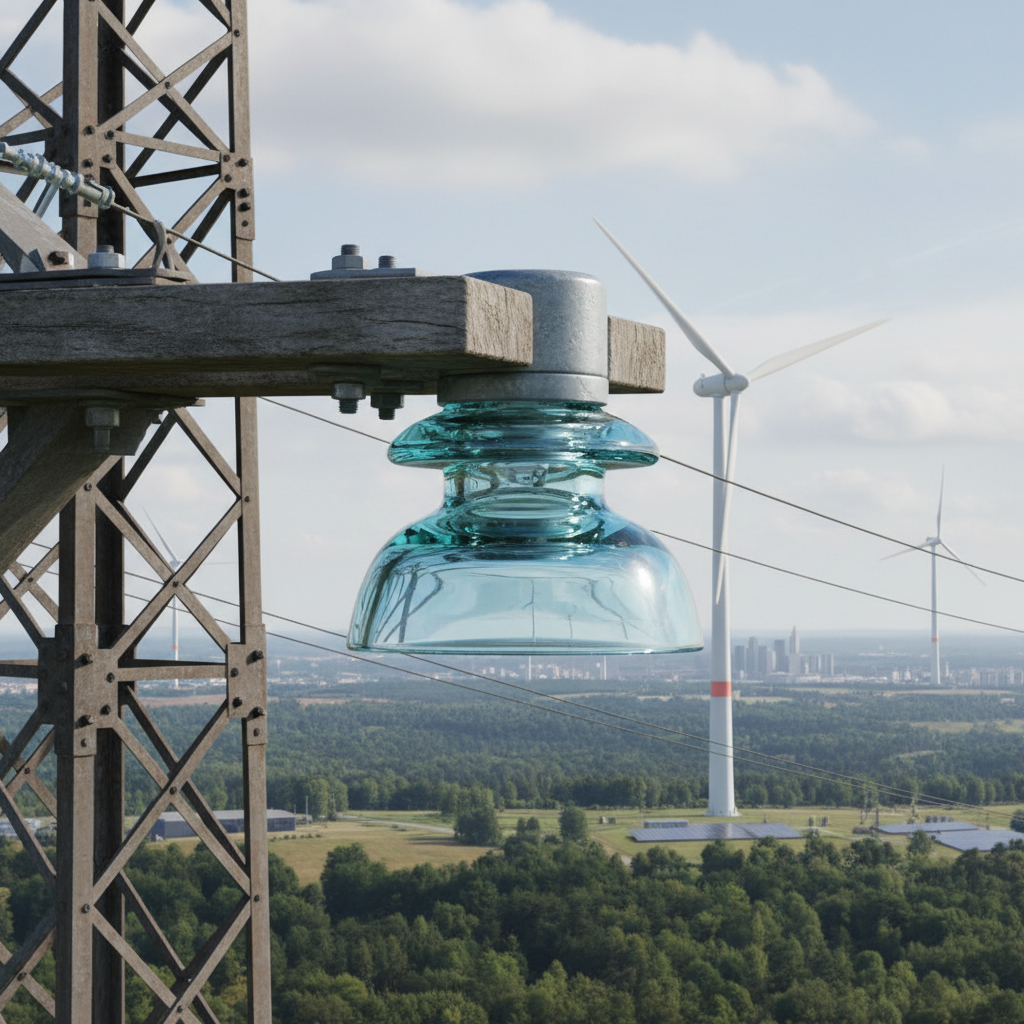
As we look ahead to 2025, understanding the significance of the Glass Insulator 160b becomes even more important. With the ongoing evolution of energy needs and growing reliance on renewable sources, the performance of electrical components like the Glass Insulator 160b will be vital in supporting sustainable energy solutions. This article will explore what makes the Glass Insulator 160b a key player in the electrical industry, examining its features, applications, and the critical role it plays in meeting the challenges of the future electrical landscape. By delving into the advantages of this insulator, we hope to illuminate why it matters for your electrical needs now and in the years to come.
Understanding the Basics of Glass Insulator 160b in Electrical Applications
Glass insulators, specifically the Glass Insulator 160b, play a crucial role in electrical applications, facilitating efficient transmission and distribution of electricity. These insulators are engineered to withstand high voltage and environmental conditions, making them essential components in power systems. According to the International Electrotechnical Commission (IEC), glass insulators can endure voltages up to 1,200 kV, showcasing their reliability in demanding electrical environments.
Furthermore, the use of glass insulators has been linked to longevity and maintenance efficiency. A report by the Electric Power Research Institute (EPRI) indicates that glass insulators have a service life exceeding 40 years, significantly outpacing many traditional insulators made from ceramic or polymer. This durability not only reduces the frequency of replacements but also lowers maintenance costs for electrical utilities, underlining the importance of Glass Insulator 160b in enhancing the overall efficiency and sustainability of electrical networks. Emphasizing these advantages can help industries make informed decisions about their electrical infrastructure needs.
Importance of Glass Insulator 160b in Electrical Applications
Key Advantages of Using Glass Insulator 160b Over Traditional Insulators
The Glass Insulator 160b presents several advantages over traditional insulators, making it a crucial component for modern electrical systems. One of its key benefits is its durability. Unlike ceramic or plastic insulators, the Glass Insulator 160b is highly resistant to environmental stressors such as UV radiation, extreme temperatures, and moisture. This longevity ensures that it maintains its insulating properties over time, reducing the need for frequent replacements and maintenance.
Another significant advantage is its superior electrical performance. The Glass Insulator 160b offers excellent dielectric strength, which helps in minimizing the risk of electrical discharge and enhances the safety of electrical installations. Additionally, its transparency allows for easy visual inspection, making it straightforward for technicians to identify any defects or damage.
Overall, the Glass Insulator 160b not only improves safety and efficiency in electrical systems but also represents a more sustainable choice by decreasing resource consumption over its lifespan.
Industry Standards and Specifications for Glass Insulator 160b: What You Need to Know
The Glass Insulator 160b is an essential component in electrical engineering, particularly in overhead power line installations. According to the Institute of Electrical and Electronics Engineers (IEEE), glass insulators provide superior electrical insulation and mechanical stability, making them ideal for high-voltage applications. Industry standards, such as those outlined in ANSI C29.5, emphasize that the Glass Insulator 160b must withstand significant stress caused by environmental factors, including wind, ice, and temperature fluctuations.
In terms of specifications, the Glass Insulator 160b is designed to meet rigorous performance metrics. Reports from the International Electrotechnical Commission (IEC) indicate that these insulators should have a minimum electrical strength of 75 kV for standard configurations, ensuring they effectively prevent electrical leakage. Additionally, their mechanical properties are scrutinized under standard tests, where the tensile strength must not fall below 130 MPa. Understanding these specifications helps professionals select the right insulator for their projects, assuring safety, reliability, and compliance with industry regulations.
Impact of Glass Insulator 160b on Energy Efficiency and Reliability in Power Systems
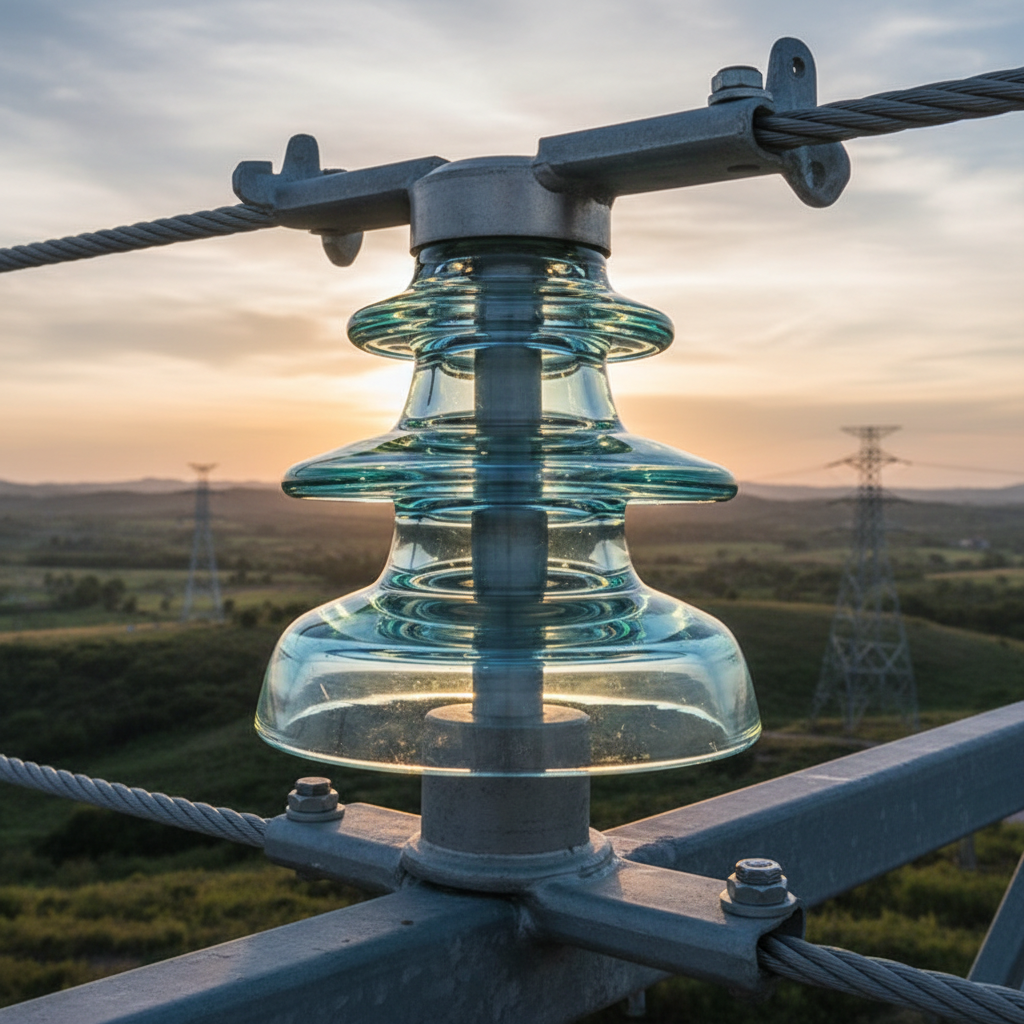
The Glass Insulator 160b plays a crucial role in enhancing energy efficiency and reliability within power systems. This advanced insulator design is specifically engineered to minimize energy loss during transmission, allowing for seamless flow of electricity. By reducing the leakage currents and providing better performance under varying environmental conditions, the 160b model ensures that power systems operate at optimal levels, decreasing the likelihood of outages and disruptions.
Additionally, the use of Glass Insulator 160b contributes significantly to the reliability of electrical infrastructure. Its durability and resilience against harsh weather conditions and pollutants help maintain the integrity of power lines over time. With fewer maintenance requirements and extended service life, utilities can invest more in other areas of infrastructure development, leading to improved overall grid stability. This combination of energy efficiency and reliability not only benefits power providers but also ensures consistent and uninterrupted service for end-users, making the Glass Insulator 160b an essential component in modern electrical systems.
Market Trends and Projections for Glass Insulator 160b in the Next Five Years
The Glass Insulator 160b is poised to play a crucial role in the electrical sector, driven by increasing demands for efficient and durable insulation materials. As industries strive for greater energy efficiency and sustainability, the adoption of glass insulators is expected to rise significantly over the next five years. This trend is underscored by a broader market growth in fiberglass, projected to reach USD 44.3 billion by 2028, highlighting a rising preference for advanced materials that offer superior performance and longevity.
Furthermore, as civil engineering costs are forecasted to rise by 17% over the next five years, effective insulation solutions like the Glass Insulator 160b will become increasingly vital for managing project budgets while ensuring compliance with energy standards. The anticipated growth in related markets, such as thermal insulation and OEM insulation, underscores the relevance of glass insulators as industry players seek innovative solutions that align with emerging trends in sustainability and energy efficiency. As these shifts unfold, the Glass Insulator 160b is set to emerge as a key component in meeting the electrical needs of the future.
What is Glass Insulator 160b and Why It Matters for Your Electrical Needs - Market Trends and Projections for Glass Insulator 160b in the Next Five Years
| Year |
Market Size (Million USD) |
Growth Rate (%) |
Key Application Areas |
| 2023 |
150.0 |
5.0 |
Power Transmission, Telecommunications |
| 2024 |
157.5 |
5.0 |
Renewable Energy Projects |
| 2025 |
165.3 |
5.0 |
Utility Infrastructure |
| 2026 |
173.6 |
5.0 |
Electric Rail Systems |
| 2027 |
182.2 |
5.0 |
High Voltage Lines |