Why Double Shed Glass Insulator Is Essential for Power Transmission?
The necessity of a Double Shed Glass Insulator in power transmission cannot be overstated. According to Dr. John Stevens, a leading expert in insulator technology, "A Double Shed Glass Insulator enhances reliability and reduces maintenance costs." This type of insulator provides excellent electrical performance, particularly in environments with high pollution levels. It withstands severe weather conditions better than standard insulators.
Moreover, the design of a Double Shed Glass Insulator allows for effective shedding of contaminants. This feature is crucial to maintain a consistent performance over time. However, the industry often overlooks the importance of regular inspections. Many power transmission systems depend heavily on these insulators yet ignore potential issues.
Incorporating Double Shed Glass Insulators into power systems could prevent failures. Yet, it is vital to address the integration challenges. Upgrades may require significant investment and planning. The balance between cost-effectiveness and reliability urges reflection in utility management strategies. Ensuring the sustainability of power transmission hinges on recognizing the role of these insulators.
Importance of Insulators in Power Transmission Systems
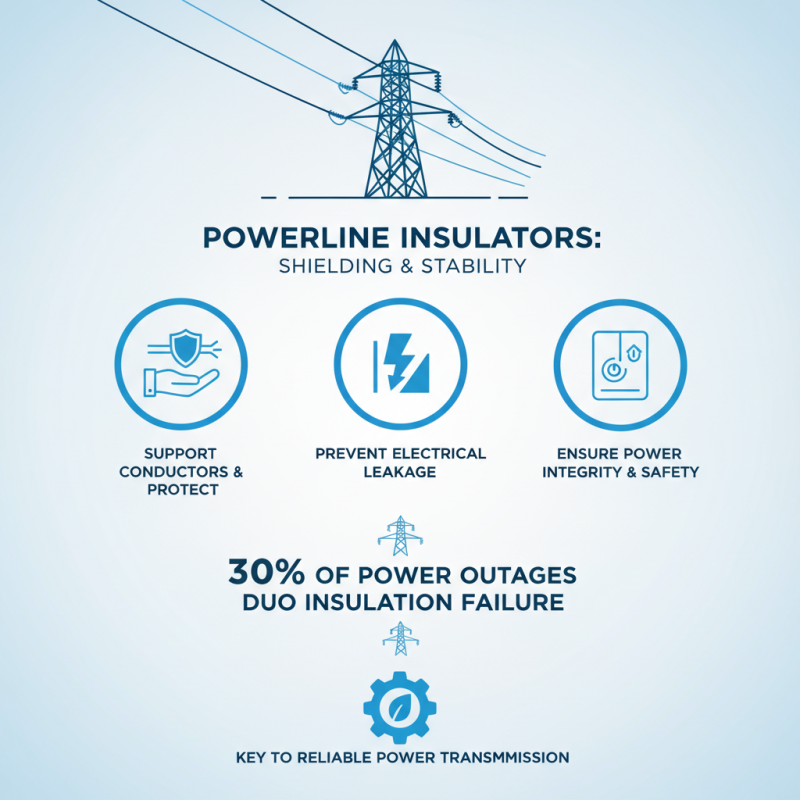
Insulators play a vital role in power transmission systems. They support conductors and shield them from external elements. This protects the integrity of power lines and ensures safety. Recent studies show that improper insulation can lead to power outages. In fact, about 30% of electrical disruptions stem from insulation failures.
Double shed glass insulators are particularly effective. They enhance reliability in high-voltage environments. Glass insulators withstand harsh weather conditions better than their ceramic counterparts. They remain stable under extreme temperatures and resist pollution. This leads to lower maintenance costs and longer service life.
Tip: Regular inspections of insulators can prevent failures. Schedule routine checks, especially after storms. Staying proactive helps maintain system integrity. It's crucial to consider the physical condition of insulators as wear can be subtle yet impactful.
Overview of Double Shed Glass Insulators
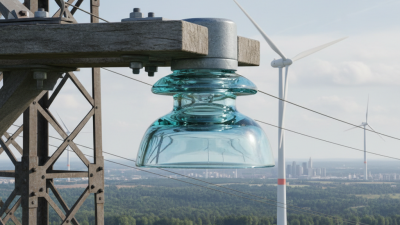
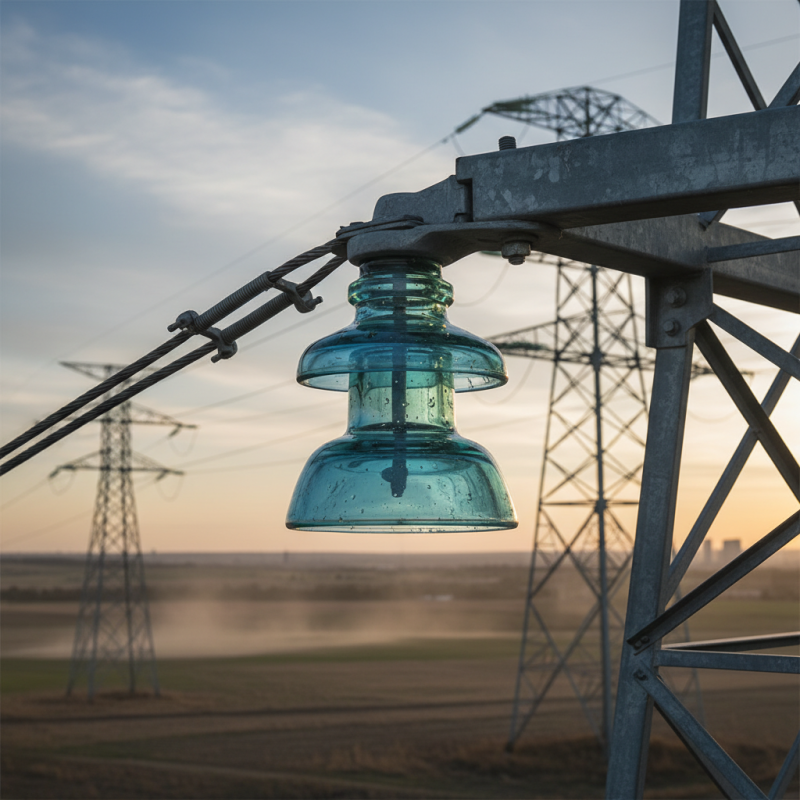
Double shed glass insulators play a crucial role in power transmission. These insulators are designed to handle high voltages and varying weather conditions. The double shed design helps to prevent electrical discharges. This is vital in maintaining a stable power supply.
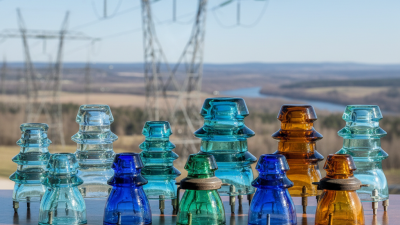
Glass insulators offer advantages over traditional materials. They are more resistant to environmental damage. This means they last longer and require less maintenance. Their transparency allows for easier inspection, which is a practical benefit for line workers. However, they can be heavier than other options. This added weight can complicate installation.
The appearance of double shed glass insulators can also be a concern. Some may find them visually unappealing on transmission lines. The choice of insulator should balance functionality and aesthetics. Addressing these concerns leads to more effective power transmission solutions. It encourages ongoing innovation in insulator technology, even as we rely on proven materials.
Advantages of Double Shed Design for Electrical Safety
The double shed glass insulator plays a critical role in power transmission. Its design enhances electrical safety significantly. This insulator features two sheds, which effectively prevent electrical tracking. Tracking can create hazardous conditions, leading to failures.
Moreover, the double shed design offers better moisture management. Rain or snow may accumulate on a standard insulator. This can create short circuits. With double sheds, water is redirected, reducing risks. The insulating material also provides robust resistance against contamination. It keeps the insulator clean and functional.
Despite its many advantages, challenges remain. Installation can be tricky. Ensuring proper alignment is essential. Any misalignment may lead to leakage currents. Maintenance is another concern. Regular checks are necessary to ensure the insulator remains effective. Still, the benefits far outweigh these challenges.
Why Double Shed Glass Insulator Is Essential for Power Transmission? - Advantages of Double Shed Design for Electrical Safety
| Feature |
Double Shed Insulator |
Single Shed Insulator |
| Electrical Safety |
Higher resistance to electrical discharges |
Lower resistance |
| Environmental Resistance |
Superior performance in adverse weather |
Less effective in harsh conditions |
| Mechanical Strength |
Increased mechanical stability |
Standard strength |
| Maintenance |
Lower maintenance frequency |
Higher maintenance needs |
| Installation |
Easier installation due to lightweight design |
Heavier, more difficult to install |
Performance Compared to Other Types of Insulators
Double shed glass insulators play a crucial role in power transmission. Their design improves performance significantly compared to other types of insulators. For instance, they offer better insulative properties in harsh weather conditions. Rain, snow, and ice have less impact on these insulators. Their surface is less prone to dirt accumulation, which helps maintain efficiency.
In contrast, porcelain insulators may face challenges in extreme climates. Their performance can degrade due to cracking or chipping. Composite insulators also have limitations related to wear and weather resistance. The double shed design of glass insulators provides longevity. It withstands thermal expansion and contraction effectively. However, they are not without flaws. Fragility is a concern, especially during installation.
The effective moisture hold on double shed glass insulators allows for excellent performance. Yet, they may require careful handling to prevent breakage. This can lead to higher maintenance costs. Overall, their reliability under various conditions shows why they are essential for power transmission. Each type of insulator has its pros and cons. Understanding these differences can guide better choices in energy infrastructure.
Why Double Shed Glass Insulator Is Essential for Power Transmission?
This chart compares the electrical strength of different types of insulators used in power transmission. The Double Shed Glass insulator shows the highest electrical strength, making it a preferable choice for ensuring reliability and performance in electrical networks.
Applications and Usage of Double Shed Glass Insulators in the Industry
Double shed glass insulators play a vital role in power transmission systems. They are designed to withstand severe atmospheric conditions, making them ideal for high-voltage applications. The unique structure of double shed insulators enhances their performance. The sheds help to shed water and prevent flashovers, which is crucial, especially in regions with heavy rainfall.
Industries that rely on power transmission benefit significantly from these insulators. Utilities often use them in distribution and transmission lines. They ensure consistent performance, even in harsh environments. The resilience of glass insulators also reduces maintenance costs. This aspect is especially critical for remote locations where access is limited. However, they are not entirely perfect. In some cases, handling can lead to damage if not done carefully.
Considering the applications, double shed insulators are versatile. They are used in substations, pole installations, and overhead lines. Their ability to withstand environmental stress makes them a popular choice. Yet, more research could still enhance their durability further. Balancing performance with cost remains a topic of discussion in the industry.