How to Choose the Right Isolator High Voltage for Your Electrical Systems
In the realm of electrical systems, the significance of selecting the appropriate Isolator High Voltage cannot be overstated. With the increasing demand for energy and the complexity of modern electrical networks, the role of isolators has become pivotal for ensuring safety, reliability, and efficiency. According to a recent report from the International Energy Agency (IEA), the global demand for electricity is projected to grow by 13% from 2020 to 2025, driving the need for robust high-voltage solutions that prevent electrical faults and enhance system performance.
Industry expert Dr. Emily Carter, a leading authority on high voltage engineering, emphasizes the importance of this selection process: "Choosing the right Isolator High Voltage is crucial not only for operational efficiency but also for maintaining safety standards in electrical infrastructure." As electrical networks become more intricate, utilities and engineers must navigate various technical specifications, environmental factors, and compliance regulations to make informed decisions. The understanding of these elements is vital in mitigating risks associated with high voltage operations while aligning with the industry's best practices and standards.

Understanding the Functionality of High Voltage Isolators in Electrical Systems
High voltage isolators play a crucial role in ensuring the safety and efficiency of electrical systems. Their primary function is to provide physical separation between high voltage circuits and other components, effectively isolating equipment for maintenance or in the case of a fault. This isolation is vital for protecting both personnel and equipment from potential electrical hazards. By using high-quality isolators, technicians can safely conduct maintenance work without the risk of electrical shock, making them an integral part of electrical infrastructure.
Furthermore, high voltage isolators help maintain system reliability. They prevent fault currents from affecting other parts of the circuit, thereby minimizing the risk of cascading failures in the electrical network. Understanding the technical specifications of isolators, such as their voltage rating, insulation type, and operational environment, enables engineers to select the appropriate isolator for their specific applications. By ensuring that the right isolator is in place, operators can enhance the safety and longevity of their electrical systems, ultimately leading to improved performance and reduced downtime.
Key Factors for Selecting the Appropriate High Voltage Rating for Isolators
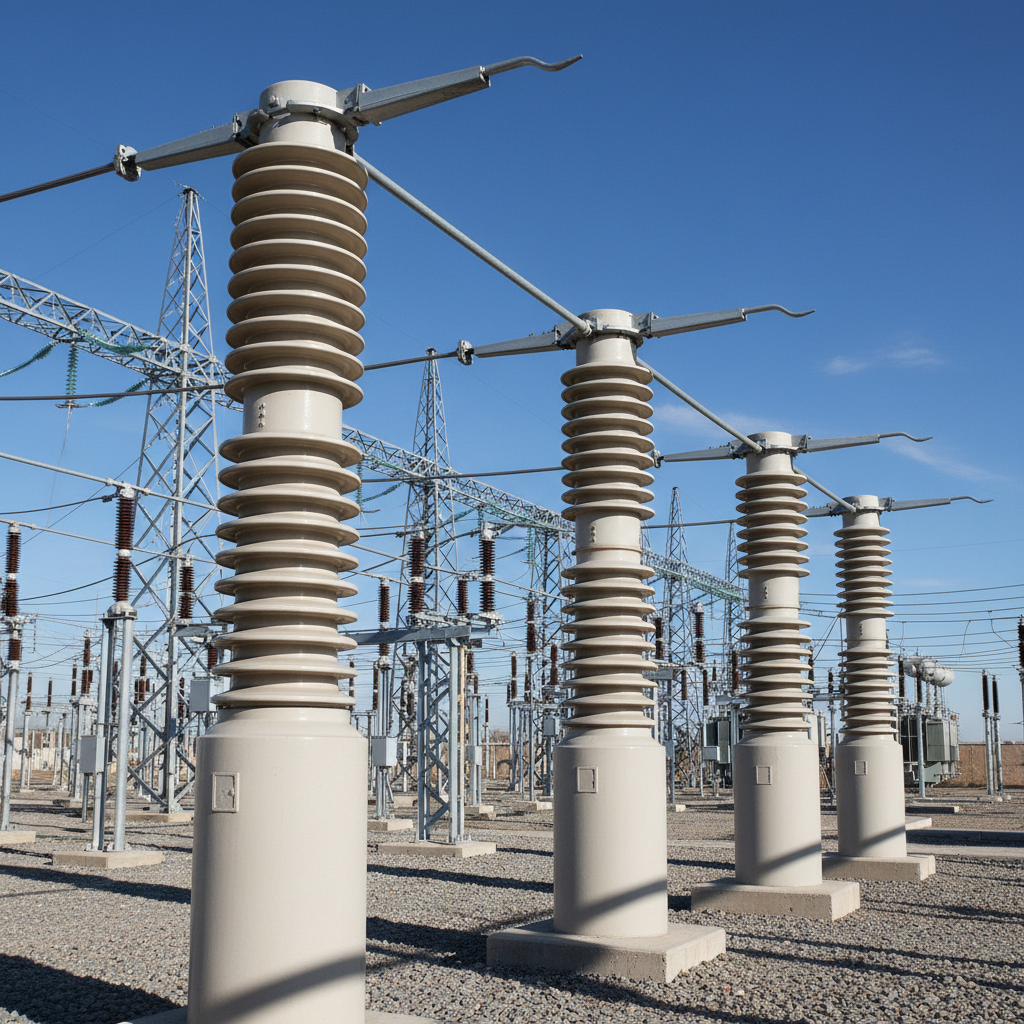
When selecting the appropriate high voltage rating for isolators in electrical systems, several key factors should be considered to ensure safety and efficiency. First and foremost, the operating voltage of the electrical system must be assessed. It is crucial to choose an isolator with a voltage rating that exceeds the maximum operational voltage to accommodate potential surges or fluctuations. This precautionary measure helps prevent breakdowns and ensures reliable operation of the electrical system.
Another significant factor is the environmental conditions in which the isolators will be installed. Factors such as humidity, temperature, and exposure to chemicals can impact the performance and lifespan of the isolators. Therefore, it is essential to select isolators that are specifically rated for the environmental conditions of their installation site. Additionally, compliance with local and international standards should be ensured, as this guarantees not only safety but also compatibility with other electrical components. Ultimately, careful consideration of these aspects will lead to the selection of the right high voltage isolators, optimizing the system's performance.
Comparative Analysis of Different Isolator Types Used in High Voltage Applications
When choosing the right high voltage isolator for electrical systems, it is crucial to consider the various types of isolators available and their specific applications. High voltage environments demand robust solutions that ensure safety and reliability. In this comparative analysis, we assess different isolator types, such as traditional air-insulated isolators, gas-insulated isolators, and more modern digital solutions. Each type has distinct advantages; for instance, gas-insulated isolators offer compact designs and reduced maintenance needs, making them ideal for confined spaces.
Emerging technologies also present innovative solutions for high voltage applications. Systems designed for Electric Vehicle (EV) charging demonstrate the importance of efficiency, with interleaved DC-DC converters being a leading example of how advanced isolation can improve performance. Similarly, as we adopt renewable energy sources, isolators that integrate seamlessly with solar photovoltaic systems are becoming increasingly critical. Therefore, evaluating the strengths and weaknesses of each isolator type will ultimately help in making informed decisions tailored to enhance the efficiency and reliability of high voltage electrical systems.
Comparative Analysis of Different Isolator Types Used in High Voltage Applications
Industry Standards and Compliance Requirements for High Voltage Isolators
When selecting the right high voltage isolator for electrical systems, understanding
industry standards and compliance requirements is crucial.
With the rapid expansion in electric vehicle (EV) charging infrastructure
and renewable energy projects, the demand for reliable isolators is increasing significantly.
According to industry forecasts, the Asia Pacific electric insulator market is anticipated to grow,
driven by a shift towards higher voltage applications. Reports indicate that the market
will expand at a robust rate, particularly as utilities prepare to transition from 1.5 kV to 2 kV on
the DC side, enhancing the overall efficiency of utility-scale solar projects.
Compliance with regulation standards, such as those set by relevant electrical standards organizations,
is essential in ensuring that isolators can withstand the specific demands imposed by high voltage systems.
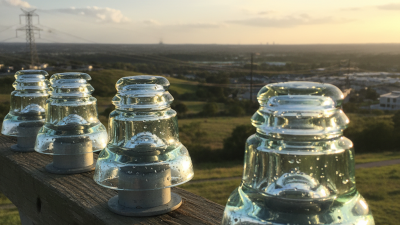
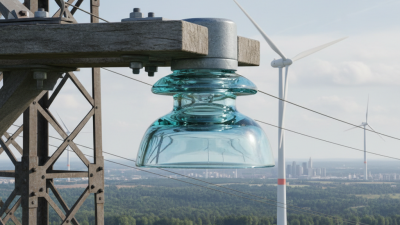
The choice of isolator type—whether ceramic, glass, or composite—must align with the operational voltage
and application requirements. It’s crucial for system designers and operators to assess the implications
of higher voltage levels, as these elevate resistance levels and may introduce new challenges in system design
and safety. Incorporating reliable isolators that conform to industry benchmarks will not only improve
operational reliability but also ensure the long-term sustainability
of electrical infrastructures amidst this rapid market evolution.
Cost-Benefit Considerations in Choosing High Voltage Isolators for Projects
When selecting the right high voltage isolator, cost-benefit considerations play a crucial role in decision-making for electrical systems. A recent industry report from the International Energy Agency (IEA) highlights that incorporating efficient isolation technology can reduce long-term operational costs by approximately 15-20%. This can be significant for large-scale projects where initial expenditure needs to be balanced against potential savings in maintenance and energy efficiency.
Moreover, the initial cost of high voltage isolators can vary significantly based on design and materials. According to a study published by the IEEE, investing in advanced isolators made from high-performance materials can lead to a reduction in failure rates by up to 30%. This not only translates to lower replacement costs but also minimizes downtime, which can incur hefty financial losses in industrial settings. Therefore, while upfront costs may seem high, the long-term benefits can yield a higher return on investment and enhance system reliability.