How to Choose Anti-Pollution Glass Insulators for Your Needs?
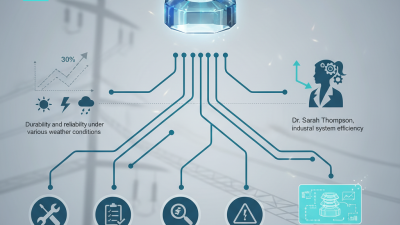
Choosing the right Anti-Pollution Glass Insulator is crucial for various applications. These insulators are specifically designed to withstand harsh environmental conditions. They help prevent contamination, ensuring safety and reliability.
When selecting an Anti-Pollution Glass Insulator, consider factors like environmental exposure and application type. Each insulator has different properties. Some may struggle with severe pollution levels. This mismatch can lead to unforeseen failures.
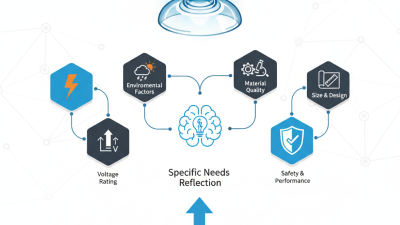
Understanding your specific needs is key. Consult experts in electrical engineering or materials science. Their insights can guide you in making informed choices. Remember, a well-chosen insulator promotes longevity and performance. Taking the time to reflect on these aspects is vital for your project's success.
Understanding the Importance of Anti-Pollution Glass Insulators
Anti-pollution glass insulators play a crucial role in maintaining the integrity of electrical systems. They are designed to withstand various environmental factors, especially in areas with high pollution levels. This is vital for ensuring uninterrupted service to homes and businesses. When pollution accumulates on insulators, it can lead to insulation failure. This results in costly outages and safety hazards.
Understanding the environment where insulators will be placed is key. Factors like humidity, dust, and industrial emissions need consideration. Choosing the right specifications, such as hydrophobic or non-hydrophobic surfaces, can significantly enhance their performance. Improper choices can lead to frequent maintenance and increased expenses.
Feedback from professionals shows that many underestimate these factors. Selecting a quality insulator should not be a rushed decision. Observing regional conditions and previous performance can provide valuable insights. It’s worth reflecting on past choices in insulator materials to avoid repeating mistakes. Making informed choices will ultimately lead to a more reliable electrical system.
Factors to Consider When Selecting Anti-Pollution Glass Insulators
When selecting anti-pollution glass insulators, several key factors come into play. One major consideration is the environmental conditions where the insulators will be used. Locations with high pollution levels require insulators designed to withstand harsh elements. Evaluate the local climate. Rain, dust, or industrial pollutants can significantly affect performance.
Another aspect to consider is the insulator's material properties. High-quality glass ensures durability and resistance to degradation. Look for insulators that have undergone rigorous testing for various pollution levels. Pay attention to the insulator's surface properties, as a smoother finish can offer better self-cleaning performance.
Additionally, installation requirements can vary. Ensure the chosen insulator fits existing infrastructure. Consulting industry standards can provide valuable insights. You may overlook some specific details in the installation phase, leading to unexpected challenges later. Always clarify specifications with experienced professionals. Their insights can save time and resources.
Types of Anti-Pollution Glass Insulators Available in the Market
In today's market, various types of anti-pollution glass insulators cater to different needs. These insulators primarily differ in composition, design, and application. One common type is the silicone rubber insulator. This insulator features a hydrophobic surface that prevents dirt and dust accumulation. It is ideal for environments with significant pollution.
Another option is the ceramic insulator. Known for its durability, it’s well-suited for high-voltage applications. These insulators are less prone to damage from environmental factors.
There are also composite insulators, which combine materials to enhance performance. They often have a lightweight design, making installation easier. However, some users question their longevity compared to traditional options. Each type has its pros and cons, and these should be weighed carefully.
Material quality plays a crucial role in insulator effectiveness. High-quality glass insulators resist pollution better and last longer. However, they may come at a higher cost. Understanding the specific requirements of your application will help in making an informed choice. Consider your environment, budget, and installation needs. It’s essential to balance cost with performance to achieve optimal results.
Evaluating the Performance of Anti-Pollution Glass Insulators
When evaluating the performance of anti-pollution glass insulators, several key factors come into play. Anti-pollution insulators are designed to operate in areas with high pollution levels. Their effectiveness is often measured by their hydrophobicity and electrical resistivity. According to industry reports, these insulators can offer up to 99% efficiency in preventing leakage current. This attribute is crucial for maintaining the reliability of power systems.
However, not all anti-pollution insulators perform equally. Contamination build-up can still occur, especially in urban areas with heavy traffic. A study highlighted that insulators may lose their hydrophobic characteristics over time. Factors such as the type of pollution and environmental conditions impact their longevity. Risk assessments indicate that insulators need regular monitoring and maintenance to ensure optimal performance.
An experienced user should consider these variables when choosing insulators. Testing under real-life scenarios is essential. Some products may seem effective in lab conditions but can fail in the field. Awareness of these performance differences can lead to more informed decisions. Ultimately, understanding both the strengths and limitations of anti-pollution glass insulators is crucial in enhancing their operational reliability.
How to Choose Anti-Pollution Glass Insulators for Your Needs? - Evaluating the Performance of Anti-Pollution Glass Insulators
| Dimension |
Specification |
Performance Rating |
Usage Environment |
| Height (mm) |
200 |
High |
Urban Areas |
| Diameter (mm) |
100 |
Medium |
Coastal Areas |
| Weight (kg) |
5 |
High |
Industrial Areas |
| Electrical Strength (kV) |
70 |
Very High |
High Pollution |
| Resistance to Pollution (IEC) |
Class C |
Moderate |
Agricultural Areas |
Best Practices for Maintenance and Care of Glass Insulators
Maintaining glass insulators is essential for optimal performance. Regular inspection helps identify wear or damage. Look for cracks, chips, or any signs of pollution buildup. A clean insulator ensures better electrical performance. Use soft cloths and gentle cleaning solutions. Avoid abrasive materials that can scratch the glass.
Environmental factors contribute to insulator degradation. Dirt, dust, and chemical residues can accumulate over time. Frequent cleaning in high-pollution areas is necessary. Some users neglect this and face increased risk of insulation failure. A protective coating is worth considering, even if it has its limitations. Remember, proper care not only extends lifespan but enhances safety.
Keeping records of maintenance activities can be helpful. Documenting when inspections and cleanings occur creates a historical record. This can aid in planning future maintenance. It’s easy to overlook, but consistency matters. Reflecting on these practices is crucial for improvement.