Why Choose Glass Insulator 100b for Your Electrical Needs?
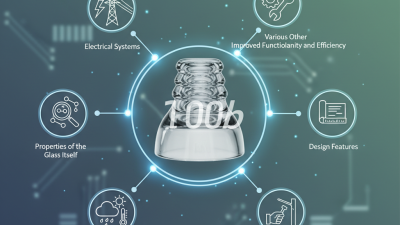
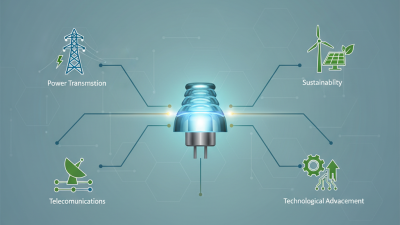
Choosing the right insulator for electrical needs is crucial. The Glass Insulator 100b stands out for several reasons. It combines durability, reliability, and performance in various environments.
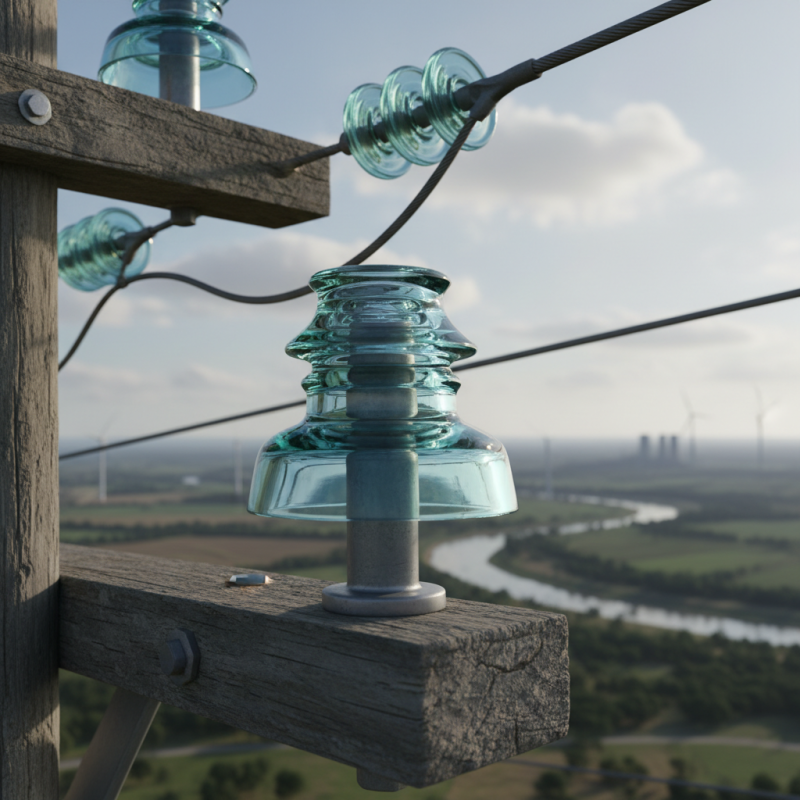
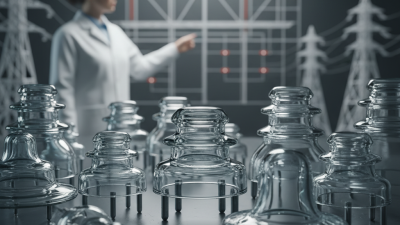
Glass Insulator 100b offers exceptional resistance to weather conditions. Its design ensures superior strength against mechanical stress. This makes it ideal for overhead power lines and transmission systems. Many industries rely on these insulators in their electrical networks.
However, some may question the cost-effectiveness of Glass Insulator 100b. While it may have a higher initial price, its longevity can offset this. Users often find they save on maintenance and replacements over time. This reflects its value in a competitive market. Investing in quality insulators can lead to better safety and efficiency in electrical systems.
Key Advantages of Glass Insulators 100b for Electrical Applications
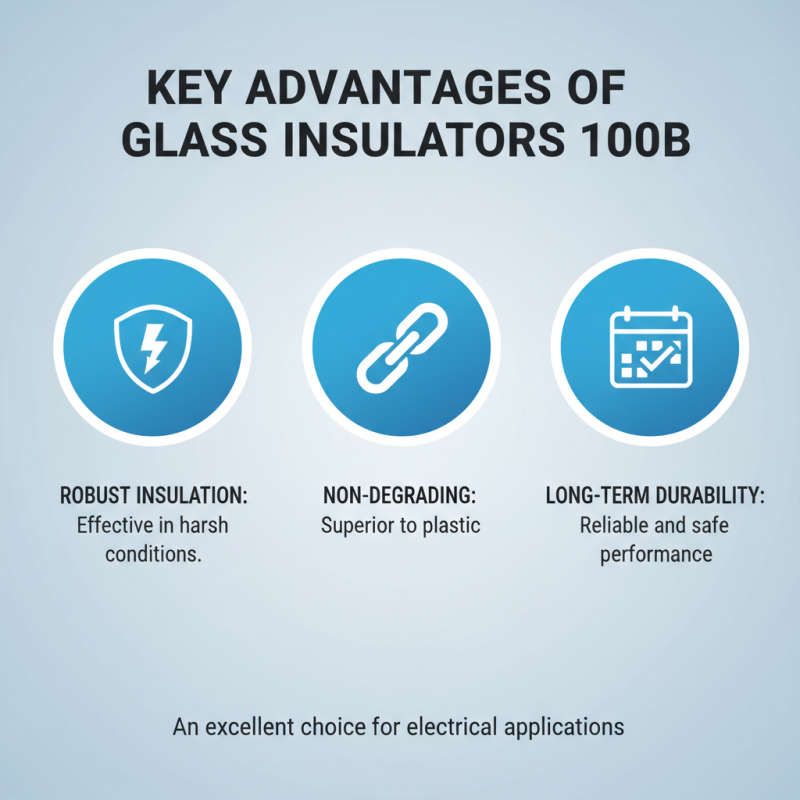
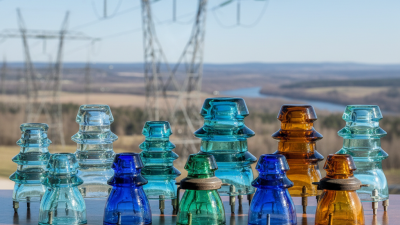
Glass insulators 100b are an excellent choice for various electrical applications. Their robust design provides effective insulation, making them reliable even under harsh conditions. Unlike plastic options, glass does not degrade over time. This durability guarantees long-term performance and safety.
When selecting glass insulators 100b, consider their resistive nature. They can withstand high voltages, which is crucial for transmission lines. These insulators also have a high dielectric strength, making them less prone to electrical breakdown. Their transparency allows easy inspection for safety, ensuring you can monitor conditions effectively.
Tip: Always assess the environmental conditions before installation. Extreme weather can affect performance. Ensure that the insulators are suitable for your location.
Another factor to ponder is weight. Glass insulators are heavier than plastic types. This might pose a challenge during installation but contributes to stability. Remember that a stable installation prevents potential failures in the future.
Tip: Seek professional advice when unsure about installation techniques. Proper guidance can save time and resources. A solid foundation can often lead to fewer maintenance issues later on.
Durability and Longevity: Why Glass Insulators Outperform Other Materials
Glass insulators, particularly the 100b model, have gained a reputation for their remarkable durability and longevity. One key advantage is their ability to withstand extreme weather conditions. Unlike ceramic or plastic options, glass is less prone to degradation over time. It resists UV light, moisture, and temperature fluctuations, making it suitable for long-term outdoor use. These factors contribute to reduced maintenance costs and fewer replacements.
Another noteworthy aspect is their performance in electrical insulation. Glass insulators exhibit excellent dielectric properties. This means they can maintain their insulating qualities even when exposed to high voltages. However, it is essential to consider installation practices and environmental factors that might affect performance. Improper handling during installation might lead to unexpected failures.
In some cases, glass can be heavier than alternatives, which requires careful planning in the installation phase. While the benefits are clear, engineers must weigh the pros and cons based on specific project needs. Choosing glass insulators, when done thoughtfully, can lead to a reliable and long-lasting solution for electrical systems.
Electrical Performance: Understanding the Insulating Properties of Glass
When it comes to electrical applications, glass insulators like the 100b offer exceptional insulating properties. Glass is chemically stable and resistant to moisture. This attribute makes it ideal for outdoor settings, where weather changes can be extreme. Unlike ceramic, glass can transmit minimal radio frequencies, which helps maintain signal integrity.
Additionally, glass insulators have robust mechanical strength. They can withstand significant mechanical stress without cracking. This durability is crucial for high-voltage transmission lines. However, one must also consider the weight of glass insulators. Their heavier design can be a challenge during installation. The skill level required for precise handling and installation cannot be underestimated.
In terms of environmental impact, glass is recyclable. Opting for glass insulators means contributing to sustainability. Yet, one should reflect on the lifecycle of these materials. While they are resistant to environmental factors, they require energy-intensive processes for production. This paradox raises questions about their use in certain contexts. Balancing performance with environmental considerations is essential in modern electrical infrastructure.
Why Choose Glass Insulator 100b for Your Electrical Needs?
| Property |
Value |
Importance |
| Dielectric Strength |
20-30 kV/mm |
High voltage insulation |
| Thermal Resistance |
-40°C to +100°C |
Operational in extreme temperatures |
| Chemical Resistance |
Resistant to moisture and various chemicals |
Durability in harsh environments |
| Mechanical Strength |
High impact resistance |
Reliability and safety in application |
| Weight |
Lightweight compared to ceramic |
Easier installation and lower support costs |
| Environmental Impact |
Recyclable material |
Sustainable choice for insulators |
Environmental Resistance: How Glass Insulators Perform Under Harsh Conditions
Glass insulators are known for their exceptional environmental resistance. They are designed to withstand harsh weather conditions. Extreme temperatures, heavy rain, and even ice do not significantly impact their performance. This durability makes them ideal for outdoor electrical applications. In addition, glass is a non-porous material. It resists contaminants such as dirt and moisture, which could affect other types of insulators.
Under harsh conditions, glass insulators show remarkable resilience. They are less prone to cracking and degradation compared to ceramic or polymer alternatives. This longevity means fewer replacements over time. Fewer failures lead to reduced maintenance costs. However, glass can be heavier than other materials, making installation challenging. Proper handling and installation are essential to avoid damage during setup.
Considering the environmental impact is crucial. Glass insulators are recyclable, contributing to a more sustainable future. Yet, the manufacturing process should still be evaluated for its emissions. Overall, careful consideration of materials and conditions is vital for reliable electrical systems. Balancing performance and environmental factors can lead to smarter choices.
Cost-Effectiveness: Analyzing the Value of Glass Insulators 100b over Time
When considering insulators for electrical needs, cost-effectiveness becomes paramount. Glass insulators, specifically the 100b model, present a compelling value proposition over time. They are known for their durability and reduced maintenance costs. Unlike plastic options, glass withstands harsh weather better. This longevity translates to fewer replacements and lower overall expenses.
Another advantage lies in their production process. Glass insulators use abundant materials, leading to lower initial costs. Over the years, they maintain their performance without significant degradation. However, one must consider the upfront investment. While glass insulators may cost more in the short term, their lifespan can offset this.
Yet, there are challenges to address. Installers may face difficulties in handling glass compared to lighter materials. Proper safety measures are crucial. Some may doubt glass's effectiveness in specific environments. Testing and research can help alleviate these concerns. More data-driven evaluations can offer clearer insights into their true value.
Cost-Effectiveness of Glass Insulator 100b Over Time
This bar chart illustrates the cost-effectiveness of Glass Insulator 100b compared to traditional insulators over a five-year period. The decreasing cost of the Glass Insulator 100b demonstrates its value in the long run, making it a favorable choice for electrical needs.