Exploring the Benefits and Uses of Glass Insulator 120b in Modern Applications
The Glass Insulator 120b has emerged as a pivotal component in modern applications, showcasing a blend of tradition and innovation in electrical engineering. Known for its durability and reliability, this insulator serves as a crucial element in power transmission and telecommunications. In an era where efficiency and safety are paramount, the Glass Insulator 120b presents a valuable solution to the challenges faced in these industries.
Engineered to withstand harsh environmental conditions, the Glass Insulator 120b not only enhances the performance of electrical systems but also contributes to their longevity. Its unique properties allow for efficient insulation, minimizing energy loss and ensuring optimal functionality. As industries continue to evolve, the versatility of Glass Insulator 120b finds itself at the intersection of sustainability and technological advancement, making it an indispensable asset for modern infrastructure.
In this exploration of the benefits and uses of Glass Insulator 120b, we will delve into its various applications, highlight its advantages over traditional alternatives, and underscore its significant role in shaping the future of electrical and communication systems. Through this analysis, it will become evident that the Glass Insulator 120b is not just an accessory but a cornerstone of modern engineering solutions.

Benefits of Glass Insulator 120b in Electrical Infrastructure
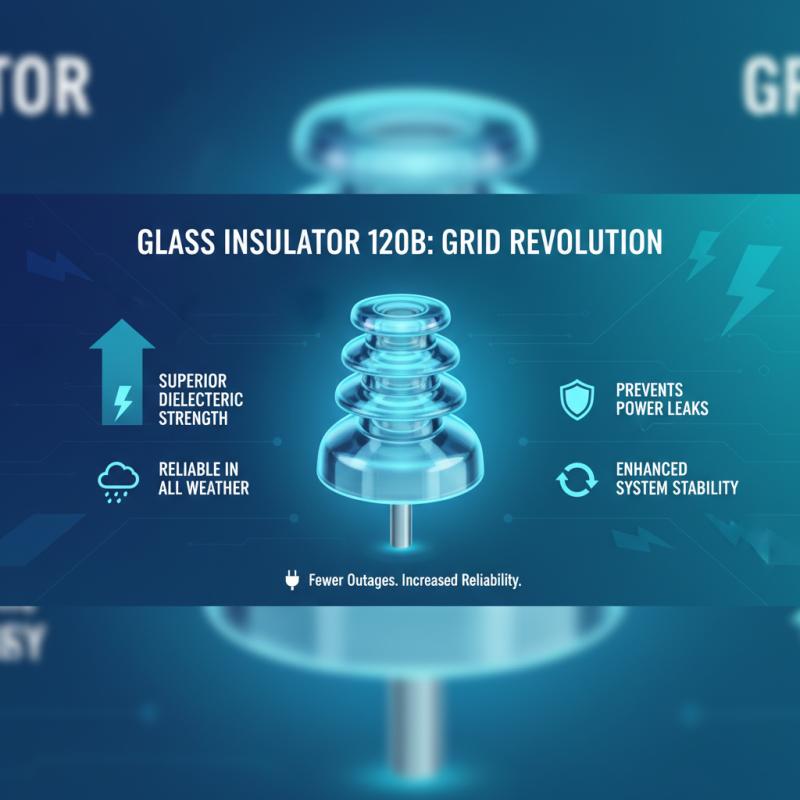
Glass Insulator 120b has emerged as a pivotal component in modern electrical infrastructure, providing distinct advantages that enhance system reliability and performance. One of the primary benefits of using this type of insulator is its excellent dielectric strength, which ensures effective electrical insulation even in adverse weather conditions. This characteristic is crucial for preventing power leaks and maintaining the integrity of high-voltage power lines, thereby reducing the risk of outages and enhancing overall grid stability.
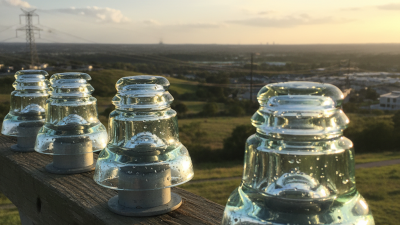
In addition to its electrical properties, the durability of Glass Insulator 120b plays a significant role in its utility. Glass is inherently resistant to ultraviolet (UV) light, thermal fluctuations, and chemical corrosion, making it suitable for long-term outdoor applications. This resilience reduces maintenance costs and service interruptions, as these insulators require less frequent replacement compared to their ceramic or polymer counterparts. Additionally, the transparent nature of glass allows for easy visual inspections, facilitating proactive maintenance and ensuring the longevity of electrical systems. Such features underline the importance of Glass Insulator 120b in supporting the efficient and reliable operation of modern electrical infrastructure.
Applications of Glass Insulator 120b in Telecommunication Networks
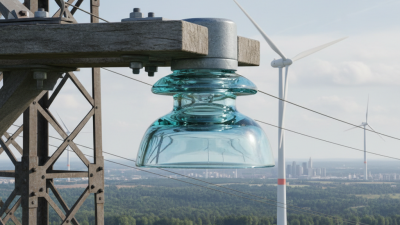
The Glass Insulator 120b is gaining recognition in modern telecommunication networks due to its unique properties and benefits. Widely used for supporting overhead power lines and telecommunication systems, this insulator offers high dielectric strength and excellent thermal stability, making it ideal for various environmental conditions. According to a recent industry report by Grand View Research, the global glass insulator market is expected to grow at a compound annual growth rate (CAGR) of 5.2% from 2021 to 2028, underscoring the increasing demand for reliable transmission technologies.
In telecommunication applications, the Glass Insulator 120b serves as a crucial component in maintaining signal integrity and preventing electrical faults. With the rise of digital communications and data transfer, it is vital to ensure that infrastructure is resilient and efficient. Studies indicate that glass insulators can withstand extreme weather conditions, withstanding temperatures ranging from -40°C to 200°C, thereby reducing downtime and maintenance costs. Furthermore, their transparency allows for reduced electromagnetic interference, which is essential for high-frequency communication channels. As networks evolve towards higher capacities and faster speeds, the utilization of Glass Insulator 120b becomes even more critical in supporting the backbone of telecommunication infrastructures.
Exploring the Benefits and Uses of Glass Insulator 120b in Modern Applications
This chart illustrates the applications of Glass Insulator 120b in telecommunication networks, showcasing its effectiveness in various aspects.
Environmental Advantages of Using Glass Insulator 120b
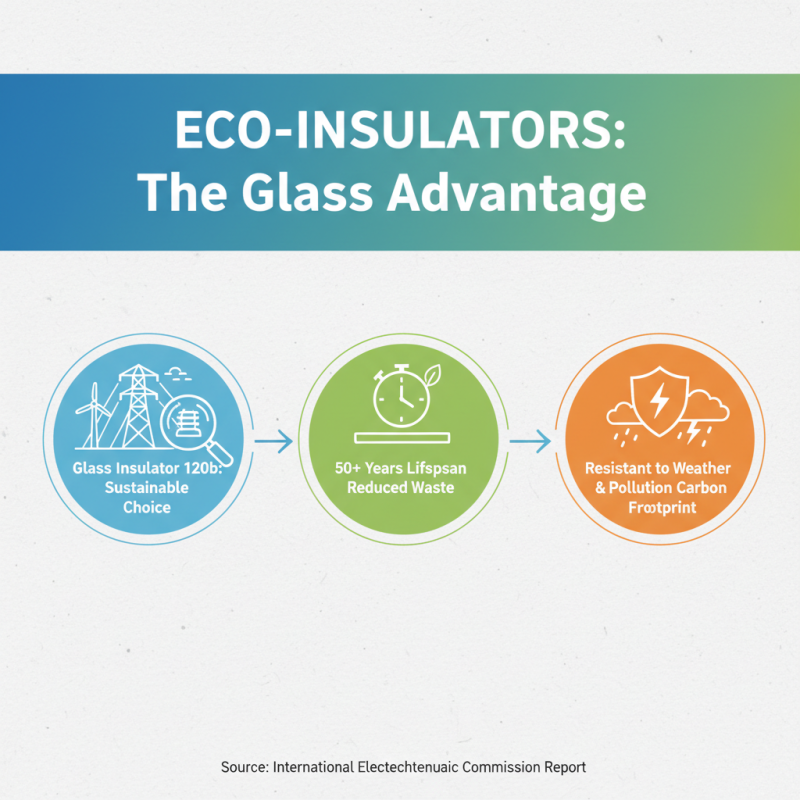
The use of glass insulator 120b in modern electrical applications is increasingly recognized for its environmental advantages. One significant benefit of using glass insulators is their longevity and durability. According to a report by the International Electrotechnical Commission, glass insulators can last over 50 years with minimal degradation, reducing the frequency of replacements and minimizing waste. In contrast to ceramic or plastic insulators, glass offers superior resistance to weathering, pollution, and environmental factors, contributing to a lower carbon footprint throughout their lifecycle.
Additionally, glass insulators are completely recyclable, which further enhances their environmental appeal. According to a study conducted by the World Resources Institute, recycling glass can save 30% of the raw materials needed for new glass production, thereby conserving natural resources and reducing energy consumption. The manufacturing process of glass insulators also produces fewer emissions than that of other materials, making them a cleaner choice for utility companies aiming to implement sustainable practices.
Tips:
When selecting insulators for modern applications, consider the environmental impact of materials. Opting for glass insulators can lead to significant reductions in waste and pollution. Furthermore, longevity is a key factor; investing in durable products like glass insulators can yield long-term savings and environmental benefits. Regular maintenance checks can also help ensure these insulators perform optimally over their extended lifespan.
Durability and Performance Characteristics of Glass Insulator 120b
Glass insulator 120b is renowned for its exceptional durability, making it a preferred choice in various modern applications. Its robust construction enables it to withstand harsh environmental conditions, such as extreme temperatures, moisture, and UV radiation. This resilience ensures longevity and minimal maintenance, significantly reducing the need for frequent replacements. Additionally, the insulator's ability to resist electrical tracking and corrosion plays a crucial role in maintaining the integrity of electrical systems, thereby enhancing operational reliability.
Performance characteristics of glass insulator 120b further highlight its advantages in utility and telecommunication sectors. The insulator exhibits excellent electrical insulating properties, providing a stable platform for electrical transmission and distribution. Its non-conductive nature prevents electrical leakage, ensuring safety and efficiency in power systems. Moreover, the glass material offers a smooth surface that minimizes the accumulation of contaminants, which can impair functionality. The combination of these performance traits underscores the significant role glass insulator 120b plays in ensuring the effectiveness and safety of modern electrical infrastructure.
Exploring the Benefits and Uses of Glass Insulator 120b in Modern Applications - Durability and Performance Characteristics of Glass Insulator 120b
| Feature |
Description |
Benefits |
Applications |
| Material |
High-strength glass |
Excellent insulative properties |
Utility poles, railway signaling |
| Durability |
Resistant to weathering |
Long lifespan, reduced replacement costs |
Telecommunications, power distribution |
| Electrical Performance |
High dielectric strength |
Prevention of electrical failures |
High-voltage transmission |
| Environmental Impact |
Recyclable material |
Eco-friendly choice |
Green energy projects |
| Cost-effectiveness |
Affordable compared to alternatives |
Budget-friendly for large projects |
Infrastructure development |
Comparison of Glass Insulator 120b with Alternative Insulator Materials
The Glass Insulator 120b has emerged as a vital component in modern electrical systems, offering distinct advantages over alternative insulating materials such as ceramic and polymer insulators. One of the key benefits of the Glass Insulator 120b is its superior electrical properties, including high dielectric strength and excellent resistance to power frequency flashover. According to a report published by the International Energy Agency, glass insulators can withstand extreme temperatures and harsh environmental conditions, which makes them suitable for outdoor applications, particularly in areas prone to severe weather. This resilience translates to a longer lifespan and lower maintenance costs, making glass a cost-effective choice for many utilities.
In comparison, ceramic insulators, while traditionally favored for their robustness, can be susceptible to moisture and mechanical stress, potentially leading to premature failure. Polymer insulators, on the other hand, offer lightweight and flexible solutions but may not perform as reliably under conditions of high electrical stress or UV degradation. Industry studies show that the Glass Insulator 120b can outperform these materials in critical areas, providing enhanced safety and reliability, particularly in transmission lines and substations.
Tips for selecting the right insulator include assessing the environmental conditions of the installation site, considering mechanical and electrical stress factors, and evaluating the long-term cost-effectiveness of materials. The right choice between Glass Insulator 120b and its alternatives can significantly influence the operational efficiency and safety of electrical systems. Make sure to delve into specific project requirements to identify the most suitable insulating material for your needs.