What is Anti Pollution Glass Insulator Benefits and Uses?
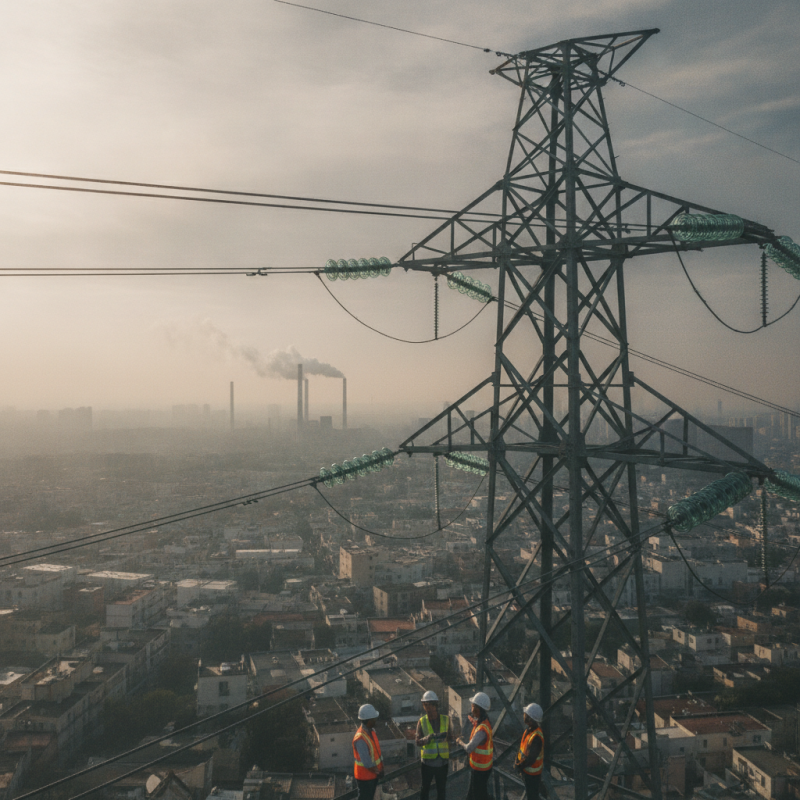
The increasing pollution levels in urban areas have raised concerns about infrastructure durability. This is where the importance of the Anti-Pollution Glass Insulator comes into play. "These insulators can significantly enhance power system reliability," says Dr. Emily Tran, a renowned expert in electrical engineering.
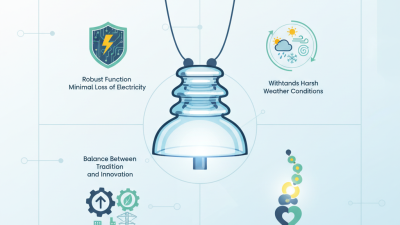
Manufacturers design the Anti-Pollution Glass Insulator to withstand harsh environmental conditions. They effectively prevent pollution-related degradation. This insulator's smooth surface minimizes accumulation, ultimately reducing maintenance costs and enhancing longevity.
However, we must consider the environmental impact of manufacturing these products. While they offer durability, producing them can have an ecological footprint. It is essential to strive for advancements in sustainable practices in the industry. These conversations can guide us toward more responsible solutions.
What is Anti Pollution Glass Insulator?
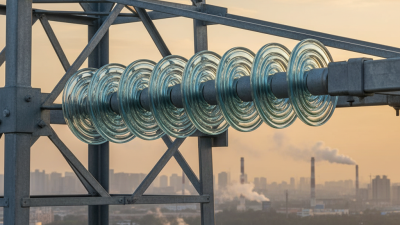
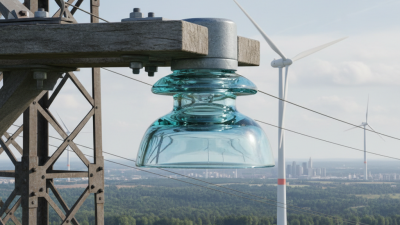
Anti-pollution glass insulators play a crucial role in modern electrical infrastructure. These insulators are designed to withstand harsh environmental conditions and prevent pollution-related failures. They consist of high-quality glass that can repel dust, dirt, and other contaminants. As a result, they ensure reliable performance in urban and industrial settings.
The benefits of using anti-pollution glass insulators are significant. They serve to maintain the integrity of electrical networks. Their non-porous surface prevents accumulation of grime, which can lead to electrical malfunctions. Regular maintenance becomes less frequent, which saves time and resources. These insulators help improve safety by minimizing risks related to electrical failures.
However, some challenges exist with anti-pollution glass insulators. Although durable, they can be prone to breakage under extreme conditions. Installation requires skilled labor, which can be a barrier for some utility companies. As technology evolves, improvements are needed to enhance the performance and longevity of these products. Developing better materials could address current limitations and further solidify their role in energy distribution.
Benefits of Using Anti Pollution Glass Insulators in Utility Applications
Anti-pollution glass insulators offer significant benefits in utility applications. These insulators are designed to withstand harsh environmental conditions. They are particularly effective against pollution and contaminants. The unique materials used in their construction prevent the accumulation of dirt and grime. This feature keeps the insulators functional over long periods without frequent maintenance.
One critical benefit is their high resistance to track and flashover. This ensures reliable electrical performance, especially in polluted areas. The reduced need for cleaning means lower maintenance costs and fewer outages. Anti-pollution glass insulators are lightweight, making installation easier and safer. They can be used in various utility poles and systems.
**Tips:** Regular inspections can help identify any wear over time. It’s crucial to monitor performance, especially in areas with heavy pollution. Keeping an eye on environmental conditions is also essential. Remember, proactive maintenance reduces long-term costs.
Benefits of Using Anti Pollution Glass Insulators in Utility Applications
Industry Standards and Performance Metrics for Glass Insulators
Glass insulators play a crucial role in electrical transmission systems. They must comply with various
industry standards and performance metrics. These standards ensure that insulators can withstand environmental challenges.
Factors such as temperature variation, humidity, and pollution levels impact their effectiveness.
Thus, the durability of glass insulators is put to the test in real-world applications.
Performance metrics focus on insulation resistance and dielectric strength. Insulators must prevent electrical leakage
and maintain stability under stress. This reliability is critical for reducing maintenance costs. Inspectors often assess insulators
visually and through electrical tests. However, the effectiveness of these inspections can sometimes fall short. An occasional oversight
may lead to unforeseen failures, emphasizing a need for continual improvement.
Industry standards also address anti-pollution measures. In polluted areas, insulators face accelerated degradation.
Special coatings or designs can mitigate these effects, yet they may not be fail-proof.
Manufacturers are continuously refining their approaches to enhance performance. Despite advances, challenges remain in ensuring long-term
reliability and environmental adaptability. Each innovation brings new lessons and considerations for future developments.
Comparative Analysis: Anti Pollution Glass Insulators vs. Traditional Insulators
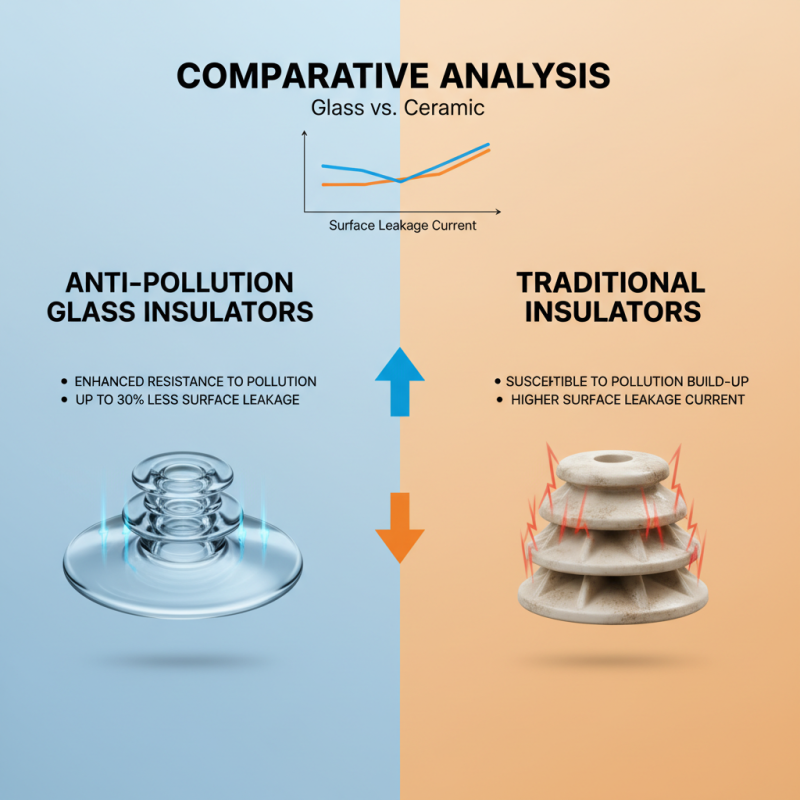
Anti Pollution Glass Insulators are gaining traction in industries requiring high-performance electrical insulation. Unlike traditional insulators, they offer enhanced resistance to environmental pollution. This enhanced performance stems from their unique glass composition, which reduces the accumulation of dirt and other pollutants. According to recent industry reports, Anti Pollution Glass Insulators can exhibit up to 30% less surface leakage current compared to conventional ceramic insulators.
The durability of these insulators sets them apart. Traditional ceramic insulators often degrade in harsh conditions, leading to maintenance challenges. In contrast, Anti Pollution Glass Insulators maintain their integrity even in extreme weather, reducing the need for frequent replacements. Research indicates that they can last over 15 years longer than traditional options under similar conditions. This longevity translates to lower overall costs for utilities and industries reliant on consistent energy transmission.
However, there are challenges. The initial installation cost of Anti Pollution Glass Insulators can be higher. Some users express concerns about their susceptibility to accidental impacts. While these insulators can withstand various environmental factors, ensuring their physical safety in some applications remains a topic for further evaluation. Understanding these nuances helps industries make informed choices when transitioning to more efficient insulator technologies.
Case Studies: Successful Implementation of Anti Pollution Glass Insulators
Anti-pollution glass insulators have gained momentum in the electrical industry, significantly improving performance in polluted environments. Recent case studies highlight their successful implementation, showcasing enhanced reliability under adverse conditions. According to a report by the International Energy Agency, improper insulator performance can result in up to 20% of maintenance costs for utility companies, a figure that underlines the urgency for better solutions.
One noteworthy case involved a utility company in a heavily industrialized region. They replaced traditional insulators with anti-pollution counterparts, which showed a 40% reduction in downtime due to contamination. Data from this deployment revealed that the new insulators maintained their integrity even after prolonged exposure to harsh pollutants. However, some challenges arose during the transition phase. Initial costs and installation complexities led to some pushback from stakeholders.
Another instance occurred in a coastal area where salt pollution is prevalent. By adopting anti-pollution glass insulators, the results were remarkable. The longevity of the insulators exceeded industry standards. Yet, some operators noted that, while performance improved, the long-term durability still requires further assessment to ensure sustained benefits. These studies illustrate both the promise and the need for ongoing evaluation in advancing anti-pollution technologies.