Leave Your Message

2026 Top Isolator High Voltage Trends and Innovations?

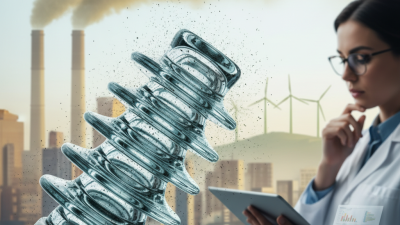
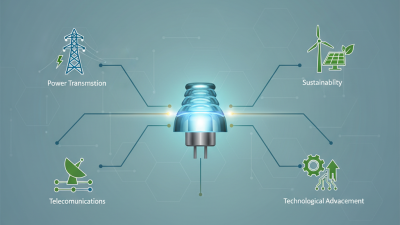
The landscape of Isolator High Voltage technology is witnessing an exciting transformation. As the demand for reliable, efficient energy sources continues to rise, innovations in this sector become critical. According to recent industry reports, the global isolator market is projected to reach $10 billion by 2026. This growth highlights the increasing necessity for enhanced safety and performance in high voltage applications.

Advancements in materials and design are essential in this evolution. Innovative isolator technologies feature improved insulation properties and thermal resistance. These developments reduce the risk of failures and enhance the reliability of power systems. However, challenges persist, such as the need for cost-effective solutions that don't compromise quality.

Looking ahead, sustainability is a key focus. Industries are exploring environmentally friendly materials in Isolator High Voltage production. This not only meets regulatory demands but also aligns with global efforts to create greener technologies. Embracing these innovations is vital, yet we must remain aware of the complexities in implementation. Balancing performance and cost is an ongoing challenge that requires thoughtful consideration.

2026 Top Isolator High Voltage Trends and Innovations?

2026 High Voltage Isolators: An Overview of Current Trends

2026 Top Isolator High Voltage Trends and Innovations?

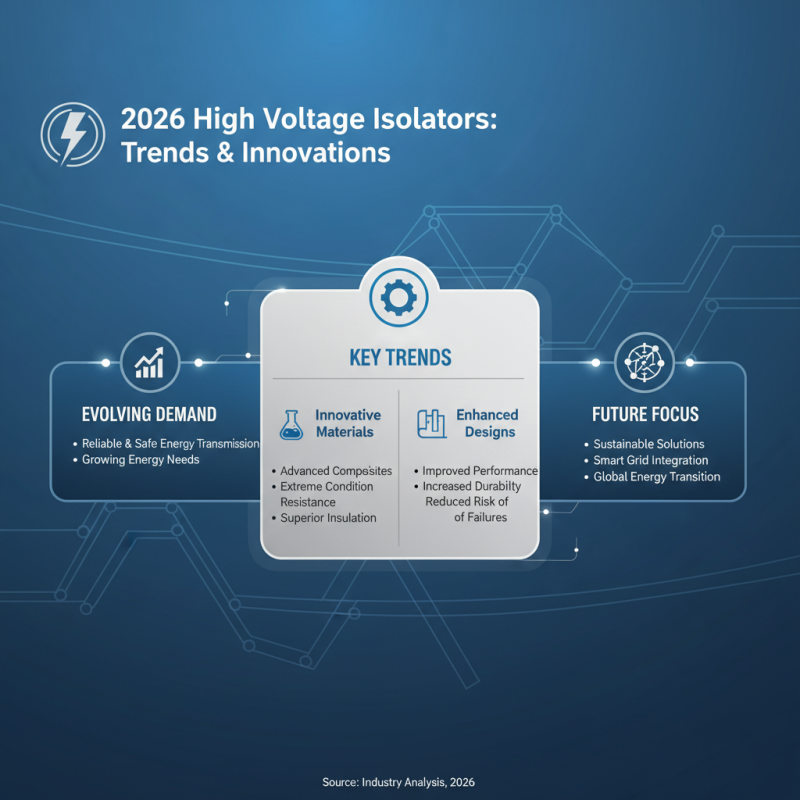
High voltage isolators are evolving rapidly as the demand for reliable and safe energy transmission grows. Trends indicate a shift towards innovative materials and designs that enhance performance and durability. Engineers are exploring advanced composites that can withstand extreme conditions. These materials offer superior insulation properties, reducing the risk of failures during operation.

One notable trend is the integration of smart technology into isolators. Sensors can monitor the health and performance of the isolators in real time. This technology provides critical data, allowing for proactive maintenance. However, there are challenges. Not all systems are compatible with these advancements. Technical limitations still exist, requiring ongoing research.

Additionally, sustainability is becoming a focal point. Manufacturers are seeking eco-friendly materials to reduce environmental impact. Yet, the long-term durability of these materials is still under scrutiny. It's a balancing act between innovation and reliability. As the industry advances, the dialogue around these themes will be vital for shaping the future of high voltage isolators.
Key Innovations in Material Science for High Voltage Insulators

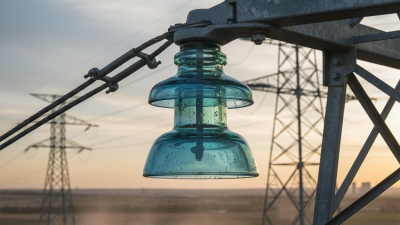
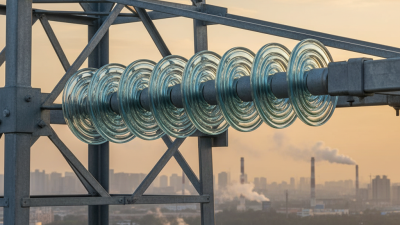
High voltage insulators are crucial in power transmission. Recent innovations in material science are enhancing their performance. Researchers focus on developing composites that resist environmental degradation. These materials guarantee longevity, even in harsh conditions.

One notable trend is the use of polymers. They are lightweight and resistant to moisture. This improves the insulator's effectiveness. In some cases, these polymers are combined with nanomaterials. The result is a new generation of insulators that withstand extreme electrical stress.

Tips for selecting high voltage insulators include considering environmental factors. Evaluate the region's climate. Choose materials that can resist UV degradation and pollution. Pay attention to the insulator's mechanical properties. Testing in real-world conditions reveals insights often missed in labs.

Efforts to improve these insulators are ongoing. It’s important to remain open-minded about potential failures. Embracing imperfections can lead to groundbreaking advancements in this field. Addressing weaknesses now can lead to stronger solutions tomorrow.

2026 Top Isolator High Voltage Trends and Innovations

Innovation Area Description Material Used Benefits Expected Impact
Advanced Polymeric Materials Development of new polymers for insulators that enhance durability and reduce weight. Polyethylene, Silicone Rubber Improved mechanical properties, lower production costs. Increased performance and lifespan of high voltage insulators.
Nanotechnology Integration Utilizing nanomaterials to improve electrical and thermal conductivity. Carbon Nanotubes, Graphene Higher efficiency and lighter weight insulators. Enhanced performance and reduced energy loss.
Self-Healing Materials Materials that can repair themselves after minor damages. Polymer Networks with Microcapsules Increased safety and reduced maintenance costs. Longer service life and reduced downtime.
Eco-Friendly Insulators Development of insulators made from biodegradable materials. Natural Fibers, Bioplastics Reduced environmental impact and sustainability. Promotes greener technologies in electricity distribution.
Smart Insulator Technologies Integration of sensors for real-time monitoring of insulator conditions. Embedded Electronic Components Enhanced reliability and proactive maintenance. Improves grid reliability and reduces failures.

Advancements in Design and Engineering of High Voltage Isolators

The field of high voltage isolators is experiencing rapid advancements. New design methodologies are making isolators more reliable. Engineers are focusing on materials that enhance insulation and durability. This leads to safer operations in electrical systems.

One area of innovation is in composite materials. They can withstand extreme temperatures and humidity. This makes them ideal for various environments. Furthermore, the geometry of isolators is evolving. Streamlined designs help reduce stress and improve performance.

Tips: Always evaluate the material properties when selecting isolators. A thorough understanding can lead to better choices. Consider the operational environment and stress factors. This can prevent future failures.

Another trend is smart technology integration. Isolators equipped with sensors can provide real-time data. This information helps in predictive maintenance and reduces downtime. However, integrating technology can introduce complexities. Developers must ensure compatibility with existing systems.

Tips: Keep communication channels open within your team. Discuss challenges faced during the integration process. This can lead to insights that improve future designs.

2026 Top Isolator High Voltage Trends and Innovations

Impact of Smart Technology on High Voltage Insulation Solutions

2026 Top Isolator High Voltage Trends and Innovations?

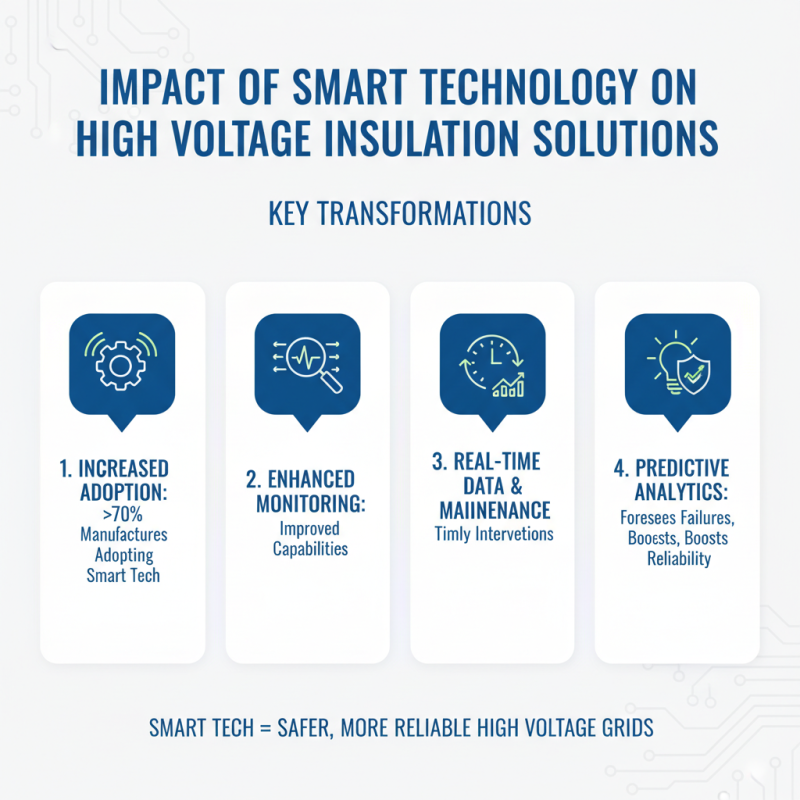
The rise of smart technology has dramatically transformed high voltage insulation solutions. Recent surveys show that over 70% of insulation manufacturers are adopting smart technologies. These innovations improve monitoring capabilities. Real-time data collection allows for timely maintenance interventions. Predictive analytics can foresee potential failures, enhancing system reliability.

Advanced materials are gaining traction too. New composite insulators are 30% lighter yet maintain robust strength. This shift helps in reducing transport costs and installation efforts. However, the industry faces challenges. Many engineers still rely on traditional methods, creating a gap in technology adoption. Moreover, the integration of smart tech can be complex and costly for smaller firms.

Cybersecurity threats also pose risks for connected insulation systems. Reports indicate that nearly 40% of firms are unprepared for potential cyber-attacks. This indicates an urgent need for industry-wide awareness and improvement. Stakeholders must prioritize not only advancements but also safety and resilience in the digital landscape. As the industry moves forward, balancing innovation and caution will be crucial.

Sustainability and Environmental Considerations in High Voltage Insulators

High voltage insulators play a crucial role in power distribution. As sustainability becomes essential, manufacturers are exploring eco-friendly materials. Innovations include ceramics and composites made from recycled materials. These alternatives reduce environmental impact and enhance durability. High voltage systems must ensure safety while minimizing their footprint.

Tips: Consider the lifecycle of insulators. Look for products made with sustainable processes. Reducing waste is key.

Another trend is the integration of smart technology in high voltage insulators. Sensors can monitor wear and tear, providing real-time data. This feedback helps in timely maintenance, preventing failures. However, reliance on technology raises concerns. What if the systems malfunction or are hacked?

Tips: Regularly assess insulator performance. Don’t ignore early warning signs. A proactive approach can save costs down the line.